
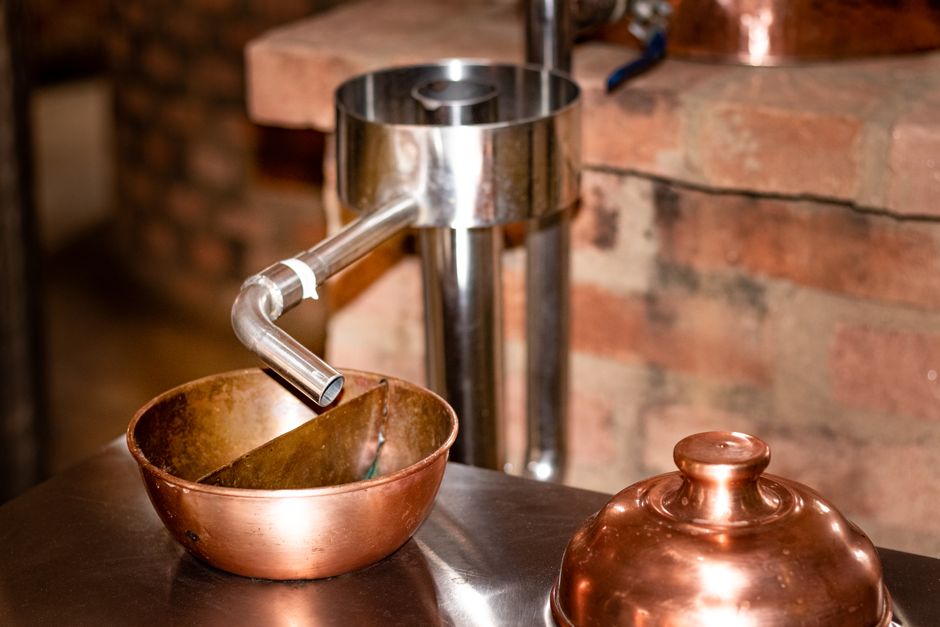
Steam distillation is the standard method for extracting geranium oil at home or on a small farm. You heat water to create steam, pass that steam through fresh geranium plant material, and then cool the vapor back into liquid. The oil separates from the water because oil and water do not mix. The result is a small amount of concentrated essential oil and a larger amount of aromatic floral water called hydrosol.
What Geranium Plant Material Do You Need?
You need the right species and the right part of the plant. True geranium oil comes from Pelargonium graveolens, not the common red geraniums sold as annual garden flowers. The plant is sometimes called rose geranium or scented geranium because of its rose-like fragrance.
Harvest the leaves and tender green stems. The oil glands sit on the surface of the leaves and stems, so bruising or chopping the material before distillation helps release the oil. Flowers contribute very little oil compared to the leaves. Older, tougher woody stems contain almost no oil and can block steam flow.
Fresh material works best. Wilted leaves lose some volatile compounds within hours of cutting. If you cannot distill immediately, spread the cuttings in a cool, shaded area and process them within 24 hours. Some commercial growers wilt material briefly because it makes the leaves easier to pack into the still, but home distillers should aim for fresh.
How Does Steam Distillation Actually Work?
Steam distillation relies on a simple physical principle. Essential oils evaporate at temperatures well below their boiling point when steam passes over them. The hot steam damages the plant cells, releasing the oil from tiny sacs on the leaf surface. The oil then vaporizes and rides along with the steam.
When the steam-and-oil mixture reaches the condenser, it cools back into liquid. The condensed liquid collects in a vessel called a separator. Oil floats on top of the water because geranium oil is lighter than water. You siphon off the oil layer and keep the remaining water as geranium hydrosol.
Temperature control matters. Steam should be gentle and consistent. If you boil too aggressively, you can scorch the plant material and create a burnt smell in the oil. If the steam is too weak, extraction takes too long and yields drop.
What Equipment Do You Need for Home Distillation?
You can buy a purpose-built home distillation kit, or you can assemble one from common kitchen and hardware store parts. The essential components are the same either way.
- Heat source: A stove, hot plate, or propane burner capable of sustained boiling
- Boiler: A large pot or flask that holds water and generates steam
- Plant chamber: A container that holds the geranium material above the boiling water
- Condenser: A tube or coil that cools the steam back to liquid
- Collection vessel: A glass jar or flask that catches the distillate
- Separator: A glass vessel that lets you separate oil from water
Stainless steel is the best material for the boiler and plant chamber. Glass also works. Avoid aluminum and copper unless they are food-grade and specifically designed for distillation, because they can react with the oil and contaminate it.
Home distillation kits designed for essential oil production typically include a round-bottom flask, a condenser tube, and connecting hoses. These kits work well for small batches of one to two pounds of plant material. If you want to process larger amounts, you need a larger stainless steel still.
Step-by-Step: How To Make Geranium Oil Using Steam Distillation
Start with clean equipment. Wash everything with hot soapy water and rinse thoroughly. Any residue from previous distillations can affect the scent of your oil.
Fill the boiler with clean water. Do not fill it to the top — leave room for the steam to build. Place the plant material in the chamber above the water. Pack it loosely. Tightly packed material blocks steam flow and leads to uneven extraction.
Assemble the still and check all connections for leaks. Turn on the heat and bring the water to a boil. Steam will rise through the plant material, picking up the essential oil as it passes. The steam then travels into the condenser, where cool water running through the outer jacket turns it back into liquid.
Collect the liquid in your separator. The first drops will appear within 10 to 20 minutes. Let the distillation run for 60 to 90 minutes for a small batch. Longer distillation times extract more oil but eventually reach a point of diminishing returns. When the distillate stops smelling strongly of geranium, the useful oil has been extracted.
Turn off the heat and let everything cool. The oil will sit as a thin layer on top of the water in your separator. Use a glass pipette to draw off the oil carefully. Transfer it to a small amber glass bottle with a tight lid. Store it in a cool, dark place.
How Much Oil Will You Get?
Yield depends on the plant variety, growing conditions, and distillation skill. Geranium is not a high-yield crop. You should expect a very small amount of oil relative to the plant material you start with.
Commercial yields typically range from 0.1 to 0.3 percent of the fresh plant weight. This means one kilogram (2.2 pounds) of fresh geranium leaves might produce only 1 to 3 milliliters of oil. A home still processing a pound of material might yield less than a teaspoon.
Do not be discouraged if your first batch produces only a few drops. That is normal. The value of home distillation is learning the process and producing a pure product, not achieving commercial efficiency.
What Do You Do With the Leftover Water?
The water left after distillation is geranium hydrosol, also called geranium flower water. It contains trace amounts of the essential oil plus water-soluble aromatic compounds from the plant. It has a pleasant, mild geranium scent.
Hydrosol is a legitimate product of distillation, not waste. You can use it as a facial toner, add it to baths, or use it as a light room spray. It is much gentler than the essential oil and does not need dilution for most uses.
Store hydrosol in the refrigerator and use it within a few weeks. Unlike essential oil, which lasts for years, hydrosol can grow bacteria because it is mostly water. If it develops cloudiness or an off smell, discard it.
What Mistakes Ruin Home Distillation?
The most common mistake is overheating the plant material. Direct boiling of the leaves in water, rather than steam passing over them, produces a muddy, cooked smell. True steam distillation keeps the plant material above the water so it never touches the boiling liquid.
Another frequent error is packing the chamber too full. Steam needs room to move. When steam cannot pass evenly, some plant material extracts fully while other portions remain untouched. This wastes material and produces an inconsistent product.
Using the wrong plant is also common. Ornamental geraniums from garden centers do not produce the same oil as Pelargonium graveolens. If you distill the wrong plant, you will get a liquid, but it will not be true geranium essential oil and may not have the characteristic rose scent.
Finally, do not rush the process. Cutting the distillation short leaves oil behind in the plant material. Running it too long wastes energy and can introduce heavier, less pleasant compounds into the oil. Learn to recognize when the distillate stops carrying the geranium aroma.
How Do You Know If Your Oil Is Good?
Good geranium oil has a sweet, rosy, slightly minty scent. It should be pale green to amber in color and completely clear, with no cloudiness or particles. The oil should be free-flowing at room temperature, not thick or waxy.
You cannot easily test purity at home without laboratory equipment. The scent is your best guide. If the oil smells burnt, grassy, or off in any way, something went wrong during distillation. If it smells clean and strongly of rose-geranium, you likely produced a good batch.
Keep records of your process. Note the weight of plant material, distillation time, and oil yield. Over several batches, you will learn what works best with your equipment and your specific plants.
Frequently Asked Questions
How long does steam distillation of geranium oil take?
A typical home batch runs 60 to 90 minutes. Larger commercial stills may run several hours to fully extract oil from large quantities of plant material.
Can I use a pressure cooker for steam distillation?
Yes, a pressure cooker can serve as the boiler for a small home still. You must attach a condenser tube to the steam vent and ensure all connections are sealed properly to avoid steam burns.
What is the difference between geranium oil and rose geranium oil?
Both come from the same species, Pelargonium graveolens. “Rose geranium” refers to varieties with a stronger rose-like aroma, while “geranium” may indicate a more herbaceous scent profile.
Is home-distilled geranium oil safe to use on skin?
Essential oils should always be diluted in a carrier oil before skin application. Undiluted geranium oil can cause skin irritation in sensitive individuals, and no home test can guarantee the oil is free of impurities.
