
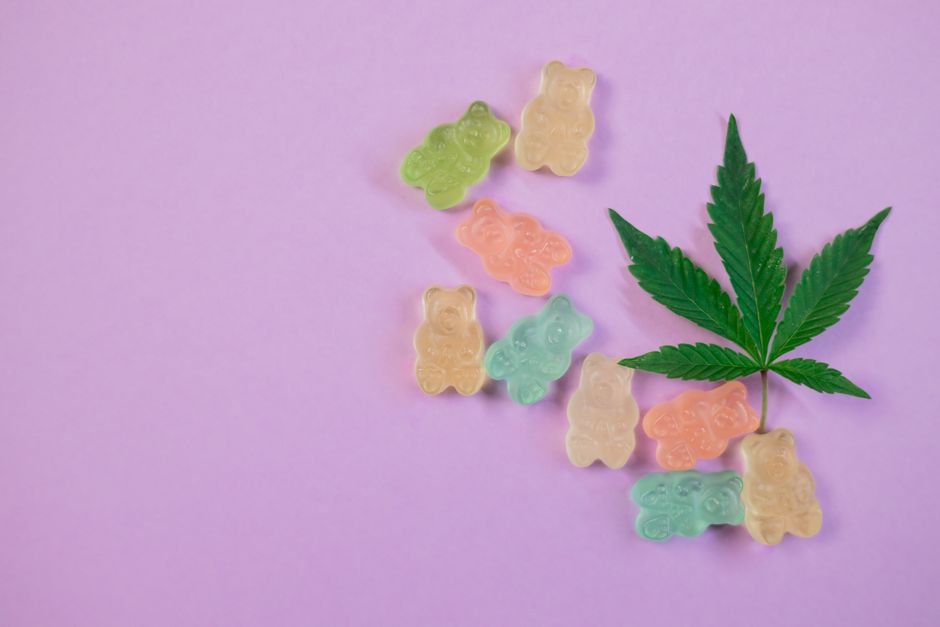
Gelatin is a protein made from animal collagen, usually from pig skin, cattle bones, or fish. It sets into a gel when it cools. If you avoid animal products, or you simply do not have gelatin in the pantry, several plant-based ingredients can thicken a liquid into a gel. Each one behaves differently, so the substitute you choose depends on what you are making. Agar-agar gives the firmest, most heat-stable gel. Carrageenan, pectin, cornstarch, and tapioca starch each work in specific situations. None of them are a perfect one-to-one swap for gelatin, and treating them that way is where most recipes go wrong.
Why Gelatin Sets and Why Substitutes Behave Differently
Gelatin forms a gel through a physical process. As a gelatin solution cools, its protein chains unwind and then reconnect into a loose network that traps water. Heat that gel again and the network breaks, so it melts. That is why a gelatin dessert softens at room temperature and turns to liquid if you leave it in a warm car.
Plant gelling agents work through different chemistry. Some are carbohydrates that build networks through hydrogen bonding or by forming helices that link together. Others, like starches, thicken because their granules swell and absorb water when heated. These differences explain why substitutes do not melt the same way, do not set at the same temperature, and often need different amounts.
One clarification that matters: gelatin and its plant substitutes are not interchangeable by volume. A recipe calling for one packet of gelatin cannot simply swap in one packet of agar. The amounts, the liquid ratios, and the setting conditions all change.
What Is the Best Substitute for Gelatin?
Agar-agar is the closest plant-based match for gelatin in most cold-set desserts. It is a carbohydrate extracted from red algae, and it has been used as a gelling agent in Asian cooking for centuries. It sets firmer than gelatin and holds its shape at temperatures well above room temperature.
That heat stability is a real difference. A gelatin gel melts around body temperature, which is why it dissolves in your mouth. An agar gel does not melt at body temperature. It stays firm and gives a more brittle, slightly crunchy texture. Some people like this. Others find it unpleasant in a dessert meant to mimic gelatin.
Agar also needs to be fully dissolved. You typically bring it to a boil in liquid for a short time, then let it set as it cools. If you do not heat it enough, it will not gel properly.
- Agar-agar — firm, heat-stable gel; best for cold desserts, fruit jellies, and vegan marshmallows
- Carrageenan — gelling and thickening; works well in dairy-style desserts and some plant milks
- Pectin — best for fruit jams and jellies; needs sugar and acid to set properly
- Cornstarch — thickens but does not form a true firm gel; good for puddings and pie fillings
- Tapioca starch — similar to cornstarch; gives a softer, stretchier texture
- Xanthan gum — thickens liquids but does not set into a sliceable gel
How Do You Use Agar-Agar in Place of Gelatin?
Agar-agar comes as powder, flakes, or bars, and the strength differs by form. Powder is the most concentrated and the easiest to measure. Flakes and bars are weaker and need more. Because the forms are not equivalent, always follow the instructions on the specific package you buy rather than converting between them by guesswork.
The general method is consistent. Sprinkle the agar into cold liquid and let it sit briefly. Then heat the mixture to a boil and hold it there for a short time, stirring, until the agar is fully dissolved. Pour it into your mold or dish and let it cool. It sets as it cools and does not need refrigeration to firm up, though chilling speeds the process.
Two practical points. First, agar sets faster than gelatin, so work quickly once it is dissolved. Second, acidic ingredients like lemon juice or vinegar can weaken the gel if added in large amounts. If your recipe is highly acidic, you may need more agar.
Does agar taste like gelatin?
No. Agar has little flavor of its own, but its texture is distinctly different. It is firmer and more brittle, and it does not melt in your mouth the way gelatin does.




When Is Pectin the Right Choice?
Pectin is a carbohydrate found naturally in fruit cell walls. It is the traditional gelling agent for jams and jellies, and it works best in exactly that setting: fruit, sugar, and acid.
Pectin needs sugar and acid to form a proper gel. This is why a low-sugar or no-sugar fruit spread can be hard to set with regular pectin. There are pectin products made specifically for low-sugar or no-sugar recipes, and they rely on different chemistry, often including calcium. If you are making a fruit preserve, pectin is usually a better choice than agar.
If you are making a molded dessert, pectin is usually the wrong tool. It is built for fruit spreads, not for a sliceable jelly that holds a shape on a plate.
Do Cornstarch and Tapioca Starch Count as Gels?
Not in the strict sense. Cornstarch and tapioca starch thicken liquids, but they do not form the kind of firm, sliceable gel that gelatin or agar produce. They are starches, and they work by swelling and absorbing water when heated.
This distinction matters for expectations. A cornstarch pudding is thick and creamy, but it will not hold a sharp edge if you cut it. If you want a dessert that unmolds cleanly and stands up, starch is not the answer.
Starch-thickened mixtures also behave differently over time. They can thin out when stirred too much, and some starch gels become runny after freezing and thawing. For a simple pudding or pie filling, though, starch is reliable and easy to use.
What About Carrageenan and Xanthan Gum?
Carrageenan is another carbohydrate from red algae, related to agar but with different gelling behavior. It is widely used in commercial dairy products and plant-based milks because it works well with proteins and gives a smooth texture. It can form gels that range from soft to firm depending on the type and the other ingredients present. For home cooks, it is less common than agar, and it can be harder to find in stores.
Xanthan gum is a thickener, not a gelling agent. It is made by fermenting sugar with a type of bacteria, and small amounts thicken liquids without heat. It is useful for sauces, dressings, and gluten-free baking. It will not turn a liquid into a sliceable gel, so it is not a gelatin substitute in the usual sense.
How Do You Choose the Right Substitute?
Match the substitute to the job. That single principle solves most of the confusion.
For a cold, molded dessert that should hold its shape, agar is the best plant-based option. For a fruit jam or jelly, pectin is the right choice. For a pudding or pie filling where you want thickness but not a firm set, cornstarch or tapioca works well. For thickening a sauce or dressing without heat, xanthan gum is useful.
There is no single substitute that does everything gelatin does. Gelatin’s ability to melt at body temperature and reset when chilled is fairly specific to its protein structure. Plant gelling agents each solve part of the problem. Knowing which part you need is the whole trick.
If you are cooking for someone with dietary restrictions, check labels carefully. Some products marketed as gelatin substitutes are blends, and their behavior depends on the exact mix. When in doubt, test a small batch before making a dish for an occasion.
Frequently Asked Questions
What is the best substitute for gelatin in jelly?
Agar-agar is the best plant-based substitute for a firm, sliceable jelly. It sets firmer than gelatin and stays solid at room temperature, though its texture is more brittle.
Can I use cornstarch instead of gelatin?
Cornstarch thickens liquids but does not form a firm, sliceable gel like gelatin. It works for puddings and pie fillings, not for molded desserts that need to hold a shape.
Does agar-agar melt like gelatin?
No. Agar-agar stays firm at temperatures well above room temperature and does not melt in your mouth the way gelatin does. This makes it more heat-stable but gives a different texture.
Is pectin a good substitute for gelatin?
Pectin is a good substitute for fruit jams and jellies, where it needs sugar and acid to set. It is not suited for molded desserts that need a firm, sliceable gel.
