
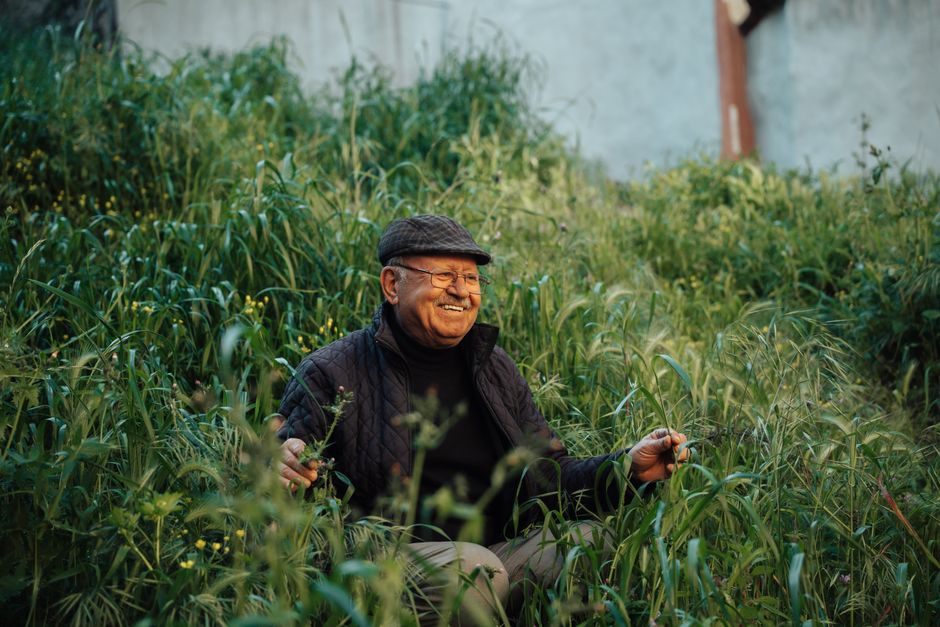
Gardening remains one of the most accessible ways for older adults to stay active, get fresh air, and grow something with their own hands. The key to making it easier is to reduce the physical demands — bending, kneeling, lifting, and gripping — while keeping the parts people actually enjoy. Raised beds, long-handled tools, a sturdy seat, and a few smart layout choices can keep most seniors gardening comfortably well into their later years. This guide covers practical changes that address the real physical limits of aging, not just the ones marketers like to talk about.
Why Does Gardening Get Harder As We Age?
The main reasons are predictable and mostly mechanical. Muscle mass and strength decline gradually with age, grip strength falls, and the joints that carry the most load during gardening — knees, hips, and lower back — tend to be the ones already affected by arthritis. Balance also changes. The inner ear, vision, and proprioception (the sense of where your body is in space) all become less sharp, which makes stooping and reaching less stable.
Skin gets thinner and heals more slowly. That matters because garden scratches and thorn pricks that were trivial at 40 can take longer to close and carry a higher risk of infection at 70. Sun sensitivity also increases for many people, partly from medications. Some common drugs, including certain antibiotics, diuretics, and blood pressure medicines, can make skin react more strongly to sunlight.
None of this means gardening has to stop. It means the garden should be designed for the body you have now. That is a different task than pushing through discomfort, which is how most gardening injuries in older adults happen.
What Are the Best Raised Bed Heights and Designs for Seniors?
Height is the single most important change. A raised bed that lets you work standing or seated removes most of the bending and kneeling that cause trouble. For a seated gardener in a wheelchair or chair, a bed with the soil surface roughly 24 to 30 inches off the ground is a common working range. For a standing gardener, 30 to 36 inches tends to reduce back strain for most people, though the right number depends on your height and how far you can comfortably reach.
A useful rule: if you can rest your forearms on the soil without bending your spine or lifting your shoulders, the bed is probably at a workable height. Beds deeper than about 30 inches from front to back are hard to reach across. Keep them narrower, or make them accessible from both sides.
Materials matter less than stability. A bed that shifts or tips when you lean on it is a fall risk. Wide, flat caps on the edges give you something to brace against and a place to set tools.
Table: Raised Bed Height by Use
| Gardener situation | Typical soil surface height |
|---|---|
| Seated, wheelchair or chair | About 24–30 inches |
| Standing, prefers less bending | About 30–36 inches |
| Standing, tall person | Up to about 36 inches or higher |
These ranges are practical guidelines, not clinical standards. The right height is the one that lets you work without pain or loss of balance. Test it before you commit to building.
Which Tools Actually Reduce Strain?
Long handles do most of the work. A tool that lets you stand upright while weeding, planting, or cultivating removes the need to bend at the waist. Look for handles long enough that your hand stays above hip height during normal use.
Grip is the other limit. As grip strength declines, thin handles become harder to hold and tools slip. Foam or rubber grips that thicken the handle help. So does a tool with an ergonomic, angled head that keeps your wrist in a neutral position rather than bent.
- Long-handled weeder, hoe, and cultivator for standing work
- Padded or oversized grips to reduce hand fatigue
- Lightweight tools — aluminum or fiberglass instead of heavy steel
- A rolling garden seat or kneeler with handles to push up from
- A garden cart or wagon instead of carrying buckets and bags
- An automatic or hose reel to avoid dragging and coiling
Lightweight matters more than most people expect. A heavy tool that requires a firm, sustained grip tires the hand and forearm quickly and can strain the wrist. If a tool feels heavy in the store, it will feel heavier after 20 minutes of use.
How Do You Protect Your Body While Gardening?
Pace is everything. Gardening is physical work, and the same rules that apply to any exercise apply here. Warm up briefly, work in shorter sessions, and change position often. Alternating between standing, sitting, and light tasks keeps any single joint from taking a long, sustained load.
Kneeling on a hard surface presses directly on the kneecap and can aggravate knee arthritis. A thick kneeling pad or a kneeler with side handles reduces that pressure and gives you something to push against when standing up. If getting up from the ground is difficult, do not kneel — work from a seat or a raised bed instead.
Hydration and heat deserve real attention. Older adults are more vulnerable to heat illness, partly because the body’s thirst response and sweating capacity both decline with age. Some medications for blood pressure and heart conditions also affect how the body handles heat. Water breaks and working in the cooler parts of the day are not optional niceties — they are basic precautions.
Protect your skin. Long sleeves, gloves, a wide-brimmed hat, and sunscreen reduce sun exposure and prevent the cuts and scratches that heal slowly and can become infected. Check any break in the skin in the days after gardening, and see a clinician if it becomes red, swollen, warm, or painful.
How Can You Make the Garden Easier to Maintain?
The best way to reduce gardening effort is to need less of it. Design choices can cut the workload substantially before you ever pick up a tool.
Containers and raised beds concentrate the work into a smaller, reachable space. Drip irrigation or soaker hoses deliver water at the roots and remove the need to haul a watering can or drag a hose. Mulch suppresses weeds, which are the most bend-intensive chore in any garden. A thick layer of mulch can cut weeding time considerably.
Plant choices matter too. Perennials, shrubs, and low-maintenance ground covers return year after year with less replanting. Native plants suited to your region often need less watering and fewer interventions once established. Group plants with similar water and light needs together so you are not managing each one separately.
Hardscape helps as well. Smooth, level paths — wide enough for steady footing or a walker — reduce fall risk and make it easier to move tools and water. A paved or mulched path also means less mowing and edging.
Is Gardening Safe for Seniors With Health Conditions?
For most older adults, gardening is a reasonable and often beneficial form of light activity. It involves movement, standing, reaching, and gentle strength work, which aligns with general physical activity guidance for older adults. But it is still physical exertion, and some conditions require a conversation with a clinician first.
If you have heart disease, uncontrolled high blood pressure, a recent joint replacement, balance problems, or a history of falls, talk to your doctor before taking on strenuous garden tasks. The same is true if you take blood thinners, since cuts and scrapes bleed more and need attention.
After joint replacement or surgery, follow your surgeon’s or physical therapist’s guidance on bending, kneeling, and lifting. There is no single timeline that fits everyone, and pushing past the recommended limits can set recovery back.
For people with dementia or significant cognitive decline, gardening can still be meaningful, but supervision and safe tool choices matter. Sharp tools, power equipment, and unstable surfaces all carry higher risk.
What Small Changes Give the Biggest Benefit?
If you only make a few changes, make these. Raise the working surface so you do not bend. Sit instead of kneel whenever possible. Use long-handled, lightweight tools with thick grips. Water with a hose or drip system instead of carrying. Mulch to cut weeding. Work in short sessions with breaks, and hydrate.
One clarification worth making: gardening aids are not a sign of giving up. A rolling seat, a long-handled weeder, or an irrigation timer are the same kind of adaptation as reading glasses or a walking stick. They let you keep doing the thing you enjoy. The goal is not to garden the way you did at 40 — it is to keep gardening at all, comfortably and safely, for as long as you want to.
Frequently Asked Questions
What is the best height for a raised garden bed for seniors?
A soil surface about 24 to 30 inches high works well for seated gardeners, and about 30 to 36 inches for those who prefer to stand. The right height is the one that lets you work without bending your spine or losing balance.
Are there tools that make gardening easier for arthritic hands?
Yes. Long-handled, lightweight tools with thick, padded grips reduce the need to bend and the strain on your hands. An ergonomic angled head also helps keep the wrist in a neutral position.
Is gardening good exercise for older adults?
Gardening involves standing, reaching, and light strength work, which fits general physical activity guidance for older adults. It is still exertion, so pace yourself and check with a clinician first if you have heart, joint, or balance conditions.
How do seniors avoid back and knee pain while gardening?
Work from a raised bed or a seat, use long-handled tools, and change position often rather than holding one pose. A kneeling pad or kneeler with handles reduces pressure on the knees and helps you stand up safely.
