
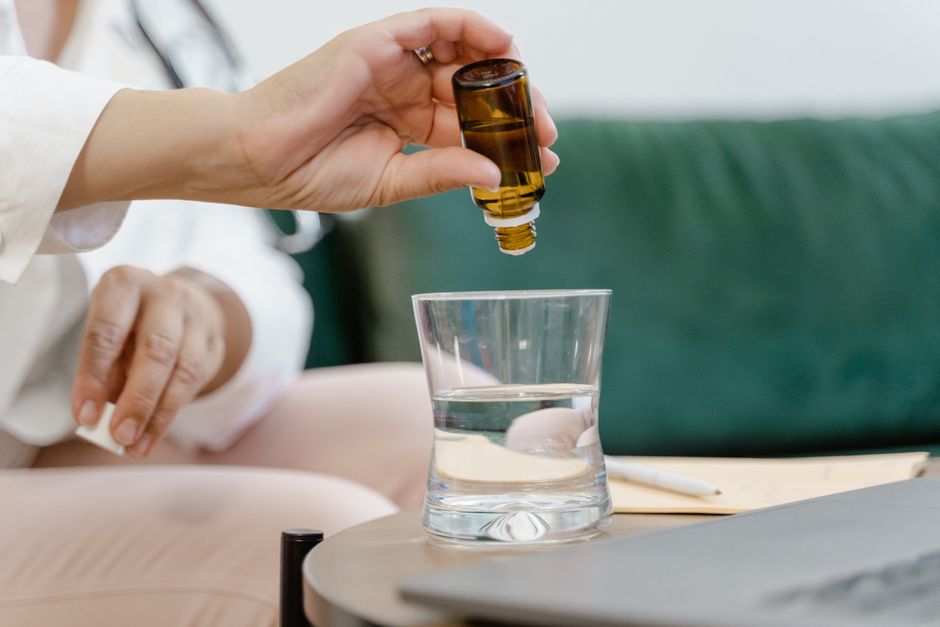
Making your own eye drops at home is not safe and carries real risks that can damage your vision. The eye is one of the most sensitive parts of your body, and anything you put in it must be sterile, pH-balanced, and free of bacteria. Homemade eye drops cannot meet these standards, and the consequences of using them can range from mild irritation to serious infection and permanent vision loss.
Why People Consider Making Eye Drops at Home
The idea of homemade eye drops usually comes from a desire to save money or use natural ingredients. Some people look for alternatives because store-bought artificial tears contain preservatives that bother their eyes. Others have heard recipes online involving salt water, chamomile tea, or castor oil.
These motivations are understandable. Prescription dry eye treatments can be expensive. Many over-the-counter drops contain preservatives like benzalkonium chloride that can irritate eyes with frequent use. And there is a general distrust of additives in commercial products.
But the problem is not with your reasoning. The problem is that the eye has almost no natural defense against contamination. Your mouth and stomach can handle some bacteria. Your eyes cannot. The cornea has no blood vessels to bring immune cells to fight an infection. Once bacteria get in, the infection can progress very quickly.
The American Academy of Ophthalmology states clearly that homemade eye drops are not safe. They lack the sterile manufacturing process required for any product that touches the eye. Even a tiny amount of bacteria from your kitchen tap or a mixing bowl can cause a corneal ulcer, which is a medical emergency.
What Research on Homemade Eye Drop Safety Shows
There are no clinical studies testing homemade eye drops because no ethical review board would approve such research. The risk is too high and the potential benefit is zero. What does exist is case report data from emergency rooms and ophthalmology clinics.
Research published in medical journals like JAMA Ophthalmology has documented cases of corneal infections from homemade saline solutions. In one reported case, a patient used a homemade saltwater mixture as a contact lens rinse and developed a Pseudomonas aeruginosa infection. This bacteria can cause permanent corneal scarring within 24 to 48 hours.
The CDC also warns against using homemade solutions for anything that goes near the eye. Their guidance on contact lens care specifically says to never use homemade saline. The same logic applies to homemade eye drops. Tap water alone is dangerous because it contains Acanthamoeba, a microorganism that causes a severe eye infection that is extremely difficult to treat.
Some websites claim that boiling water makes it safe. Boiling kills most bacteria, but it does not remove chemical contaminants like chlorine or heavy metals. It also does not guarantee sterility once the water cools and is exposed to the air or your hands. Sterile environments in pharmaceutical manufacturing use clean rooms, filtered air, and autoclaves. A kitchen stove cannot replicate that.
What Are the Real Risks of Homemade Eye Drops
The risks fall into three categories: infection, chemical injury, and worsened dry eye symptoms.
Infection is the most serious risk. Bacteria, fungi, and amoebas can all enter the eye through contaminated liquid. Symptoms of an eye infection include redness, pain, light sensitivity, blurred vision, and discharge. A corneal infection can lead to ulcers that require weeks of antibiotic drops and, in severe cases, a corneal transplant.
Chemical injury happens when the pH or salt concentration of your homemade drops is wrong. The human tear film has a very specific pH of about 7.4 and a specific salt concentration. If you make the mixture too salty, it will sting and dehydrate the eye further. If you make it too dilute, it can cause the cornea to swell. This is called corneal edema and it causes blurred vision and discomfort.
Worsened dry eye is the most common outcome. Many recipes for homemade eye drops use ingredients like aloe vera juice, rose water, or chamomile tea. These plant-based liquids contain particles that do not dissolve in tears. The particles can clog the meibomian glands along your eyelid margins. These glands produce the oil layer of your tears. When they get clogged, dry eye actually gets worse.
Some online recipes recommend castor oil as a lubricant. While castor oil is used in some commercial eye products, those products are formulated with emulsifiers and preservatives under sterile conditions. Plain castor oil is too thick for the tear film and can blur vision. It also provides a breeding ground for bacteria if not sterile.





How to Safely Manage Dry Eyes Without Homemade Drops
If you are looking for homemade eye drops because of cost or preservative sensitivity, there are better options that are actually safe.
Preservative-free artificial tears come in single-use vials. They contain no preservatives and are sterile until you open the vial. Brands like Systane, Refresh, and TheraTears all offer preservative-free options. They cost more per bottle than preserved drops, but you can buy them in bulk boxes to reduce the per-dose cost.
Warm compresses are one of the most effective treatments for dry eye that you can do at home. Soak a clean washcloth in warm water, wring it out, and place it over your closed eyes for 5 to 10 minutes. This helps unclog the oil glands in your eyelids and improves tear quality. It costs nothing and has no risk.
Omega-3 supplements have evidence behind them. Research published in Cornea and other journals has found that omega-3 fatty acids can improve meibomian gland function and reduce dry eye symptoms. The dose used in studies is typically 1000 to 2000 mg of EPA and DHA combined per day. Always check with your doctor before starting any supplement.
Humidifiers help if your dry eyes are worse in dry environments. Keeping indoor humidity between 40 and 60 percent can reduce tear evaporation. This is especially helpful during winter months when indoor heating dries out the air.
| Method | Safety | Evidence Level | Cost |
|---|---|---|---|
| Homemade eye drops | Unsafe | No evidence | Low upfront, high risk |
| Preservative-free artificial tears | Safe when used as directed | Strong clinical evidence | Moderate |
| Warm compresses | Safe | Strong clinical evidence | Free |
| Omega-3 supplements | Generally safe | Moderate evidence | Moderate |
| Humidifier | Safe | Moderate evidence | Low |
What to Do If You Have Already Used Homemade Eye Drops
If you have already put homemade drops in your eyes, do not panic. Most people who try this once do not develop an infection. But you need to watch for warning signs.
Stop using the homemade drops immediately. Do not try to rinse your eyes with more homemade solution. Use sterile saline or preservative-free artificial tears if you have them. If not, blinking naturally will help your eyes produce tears that flush out the irritant.
Watch for these symptoms over the next 24 to 48 hours: eye pain that gets worse, redness that spreads, sensitivity to light, blurred vision that does not clear with blinking, or any discharge. If you have any of these, see an eye doctor right away. Do not wait for a regular appointment. Go to an urgent care or emergency room if you cannot reach your eye doctor.
If you wear contact lenses, stop wearing them immediately. Do not put your contacts back in until you are sure your eyes are healthy. Contact lenses trap bacteria against the cornea and make infections much more likely.
The good news is that if you catch an eye infection early, it is usually treatable with prescription antibiotic drops. The danger comes from waiting. A small infection that is treated within hours often heals without lasting damage. An infection that goes untreated for days can cause permanent vision loss.
Common Misconceptions About Homemade Eye Drops
Myth: Salt water is the same as saline. This is not true. Medical saline is made with purified water and pharmaceutical-grade sodium chloride in a sterile facility. The salt concentration is precisely 0.9 percent. Homemade salt water cannot match this precision, and the salt you use may contain additives like iodine or anti-caking agents that irritate the eye.
Myth: Boiling makes it safe. Boiling kills bacteria, but it does not create a sterile environment. Once the water cools, airborne bacteria can land in it. Your hands, the container, and the stirring utensil all introduce bacteria. The water is only sterile at the moment it finishes boiling. After that, contamination begins.
Myth: Natural ingredients are safer. Natural does not mean safe for the eye. Honey, aloe, chamomile, and rose water all contain plant particles and sugars that feed bacteria. They also have variable pH levels. The eye is not designed to handle plant matter. Commercial eye drops that contain natural ingredients are processed to remove particles and sterilized in ways you cannot do at home.
Myth: If it does not burn, it is safe. The cornea has pain receptors, but they are not always triggered by bacteria or chemical imbalances. You can have a serious eye infection without feeling pain, especially in the early stages. By the time it hurts, the infection may already be advanced.
Frequently Asked Questions
Can I make eye drops with just salt and water?
No. Even if you boil the water and use pure salt, you cannot guarantee sterility or the correct salt concentration at home. Contamination from your kitchen environment makes this unsafe.
Is it safe to use chamomile tea bags on my eyes?
No. Chamomile tea is not sterile and contains plant particles that can irritate the eye surface. It can also introduce bacteria that cause infection.
What is the safest alternative to homemade eye drops?
Preservative-free artificial tears from a pharmacy are the safest alternative. They are sterile, pH-balanced, and available without a prescription.
Can homemade eye drops cause blindness?
Yes, in severe cases. A corneal infection from contaminated drops can cause scarring that permanently impairs vision. This is rare but possible.
