
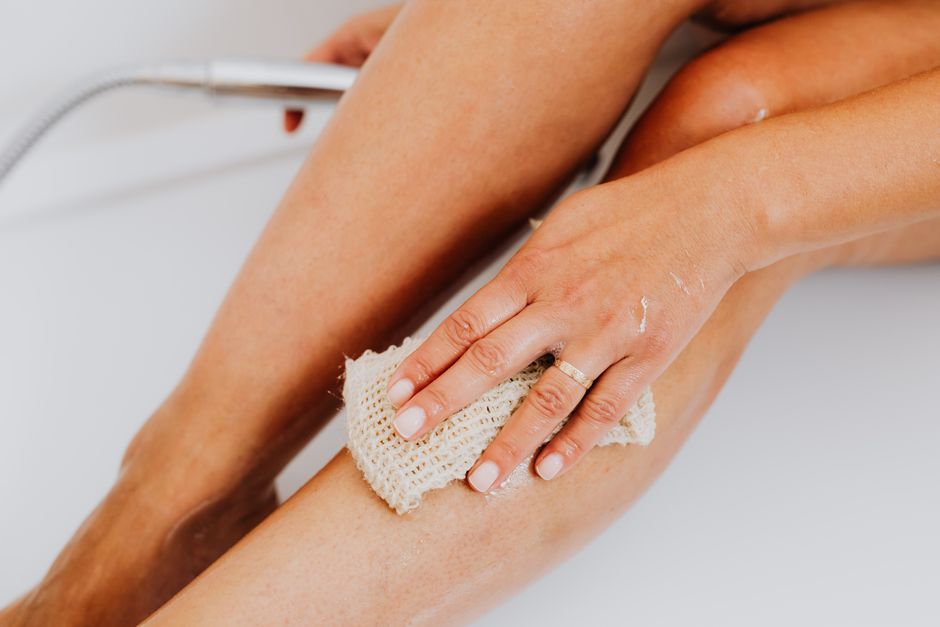
Making a body scrub at home is simple: mix a granular ingredient like sugar or salt with a carrier oil such as coconut or olive oil. The ratio is typically one part oil to two parts scrub base. You can add a few drops of essential oil for scent, but they are optional. This combination physically removes dead skin cells and leaves the skin coated in moisturizing oils.
Why Use a Body Scrub at All?
Your skin sheds dead cells constantly. Normally, this happens without you noticing. Sometimes the cells clump together, leaving skin looking dull or feeling rough. A body scrub speeds up this natural process by physically buffing those cells away.
The result is smoother skin that reflects light better. This is why skin looks brighter right after exfoliating. The oil in the scrub also stays on the skin after rinsing, which helps lock in moisture. This is the main reason scrubs are better for the body than harsh soaps alone.
How To Make Exfoliating Scrub For Body: The Basic Formula
You only need two ingredients to start. Choose one abrasive and one oil. Mix them in a bowl and store them in a jar.
The standard ratio is two parts scrub to one part oil. For example, one cup of sugar mixed with half a cup of oil. This creates a paste that clumps together but still spreads easily. If it feels too dry, add a teaspoon of oil at a time until it reaches the texture you like.
Here is the base recipe that works for most skin types:
- 1 cup granulated sugar or fine sea salt
- ½ cup carrier oil (coconut, jojoba, sweet almond, or olive)
- Optional: 5–10 drops of essential oil
Mix the oil and scrub base in a bowl. Stir until fully combined. Transfer to a clean glass jar with a lid. The scrub will keep for up to one month if stored away from direct heat and moisture.
Sugar vs. Salt: Which Scrub Base Should You Choose?
Sugar and salt are the two most common abrasives. They work differently on the skin.
Sugar granules are rounder and dissolve faster in water. This makes them gentler on the skin. White sugar is fine and good for sensitive areas. Brown sugar has larger crystals and is slightly more abrasive. Sugar is a safe choice for most people, including those with dry or normal skin.
Salt crystals are sharper and harder. They provide a stronger exfoliation and do not dissolve as quickly. Sea salt and Epsom salt are common choices. Salt scrubs are better for rough patches like elbows, knees, and heels. They are not recommended for sensitive skin or skin with open cuts, because the salt will sting.
If you have sensitive skin, start with sugar. If you need more aggressive exfoliation on tough areas, use salt. You can also mix them half and half for a middle ground.





Choosing a Carrier Oil for Your Scrub
The oil in a scrub does two jobs. It binds the granules together and moisturizes the skin. Different oils have different textures and absorption rates.
Coconut oil is solid at room temperature and melts on contact with skin. It is highly moisturizing and has a pleasant scent. It is comedogenic, meaning it can clog pores for some people. If you are prone to body acne, consider a different oil.
Jojoba oil is technically a liquid wax. Its structure closely resembles the skin’s own sebum. It absorbs well without leaving a heavy residue. It is a good choice for normal to oily skin.
Sweet almond oil is light and absorbs moderately fast. It is rich in vitamin E. It suits most skin types and is a common choice in commercial scrubs.
Olive oil is thicker and stays on the skin longer. It is very moisturizing but can feel heavy. It works well for very dry skin but not for people who dislike a greasy after-feel.
There is no single best oil. Choose based on your skin type and how much residue you can tolerate. If you are unsure, jojoba or sweet almond oil are safe starting points.
Essential Oils: What Is Safe and What Is Just Marketing?
Essential oils add fragrance to homemade scrubs. Some have properties that are promoted for skin health, but the evidence for most of these claims is limited. Their main proven benefit here is scent.
Lavender and chamomile are commonly added for a calming aroma. Peppermint creates a cooling sensation. Citrus oils like sweet orange or grapefruit smell fresh and bright. Tea tree oil has antibacterial properties, but the concentration in a rinse-off scrub is too low to have a meaningful effect on skin infections.
Use only skin-safe essential oils. Some oils, especially citrus types, can make skin more sensitive to sunlight. If you use a citrus oil in a scrub, rinse thoroughly and avoid direct sun exposure on that area for the rest of the day.
A safe dilution is 5 to 10 drops per cup of scrub. Never use more than that. Essential oils are potent and can irritate skin at high concentrations. If you have never used a particular oil before, test it on a small patch of skin first.
How to Use a Body Scrub Correctly
Scrubbing technique matters more than the ingredients. Using a scrub incorrectly can damage your skin barrier.
Apply the scrub to damp skin in the shower. Do not use it on dry skin. Work in small circular motions with light to medium pressure. Spend more time on rough areas like elbows, knees, and heels. Spend less time on delicate areas like the chest and inner thighs.
Rinse with warm water, not hot. Hot water strips natural oils from the skin. After rinsing, pat your skin dry with a towel. Do not rub. Apply a moisturizer within a few minutes while the skin is still slightly damp. This traps hydration in the skin.
Limit exfoliation to once or twice per week. More frequent scrubbing can cause micro-tears in the skin and lead to irritation or redness. If your skin feels tight, itchy, or looks red after scrubbing, you are doing it too often or pressing too hard.
Can You Make a Coffee Scrub at Home?
Coffee scrubs are popular on social media. They are easy to make and smell strong. Used coffee grounds work as the abrasive base.
The recipe is the same as the basic formula. Replace the sugar or salt with used coffee grounds. Mix half a cup of grounds with a quarter cup of oil. The texture will be grittier than sugar.
There is no strong clinical evidence that caffeine in a scrub reduces cellulite or tightens skin. Some research suggests caffeine may temporarily plump skin cells when applied topically, but the effect from a rinse-off scrub is minimal and short-lived. The main benefit of a coffee scrub is the same as any scrub: physical exfoliation and moisturizing.
One caution: coffee grounds are coarse and can be too abrasive for sensitive skin. They can also clog your shower drain. Use a drain strainer when rinsing off.
What About Oatmeal Scrubs for Sensitive Skin?
Colloidal oatmeal is one of the few scrub ingredients with solid evidence behind it. It is recognized by dermatologists as a skin protectant. It soothes itching and irritation while gently exfoliating.
To make an oatmeal scrub, grind plain rolled oats in a blender until they become a fine powder. Mix one cup of the powder with half a cup of a light oil like jojoba or sweet almond. Add a little water to create a paste-like consistency.
This is the gentlest scrub option in this article. It is suitable for people with eczema or very sensitive skin. The oatmeal does not scrub as aggressively as sugar or salt, but it still removes dead skin cells while calming the skin.
How Long Does a Homemade Scrub Last?
Homemade scrubs contain no preservatives. This means they spoil faster than commercial products.
An oil-and-sugar scrub stored in a cool, dry place will last about one month. Salt scrubs last slightly longer because salt is naturally antibacterial. If you add water to the mixture, it will spoil within one week. Keep water out of the jar by using a clean, dry spoon each time you scoop out the scrub.
Signs of spoilage include a rancid smell, mold growth, or a change in color. If you see any of these, throw the scrub away. Do not try to salvage it. Using spoiled oil on your skin can cause irritation or infection.
Who Should Avoid Body Scrubs?
Most people can use body scrubs safely. Some groups should skip them entirely.
Avoid scrubs on skin that is sunburned, broken, or actively infected. Do not use them on rashes or open wounds. People with active eczema or psoriasis should talk to a dermatologist before exfoliating, as scrubbing can worsen flare-ups.
People with diabetes and peripheral neuropathy should be cautious. Reduced sensation in the feet or hands means you may not feel when you are scrubbing too hard. This can lead to accidental skin damage. If you have diabetes, use a very gentle sugar scrub on the feet and avoid the tops of the feet where skin is thin.
Pregnant women can use sugar or salt scrubs safely. Avoid essential oils that are not confirmed safe during pregnancy. Some oils, like clary sage and rosemary, are traditionally avoided in pregnancy due to lack of safety data. When in doubt, skip the essential oils entirely.
Frequently Asked Questions
How often should I exfoliate my body with a scrub?
Once or twice per week is enough for most people. If your skin feels irritated or looks red, reduce the frequency.
Can I use a body scrub on my face?
No. Facial skin is thinner and more delicate than body skin. Use a separate, gentler exfoliant designed for the face instead.
Is it safe to use a salt scrub on sensitive skin?
No. Salt crystals are sharp and can cause micro-tears in sensitive skin. Choose a sugar or oatmeal scrub instead.
Do I need to moisturize after using a body scrub?
Yes. Even though the scrub contains oil, applying a moisturizer within a few minutes of drying helps lock in hydration and protects the freshly exfoliated skin.
