
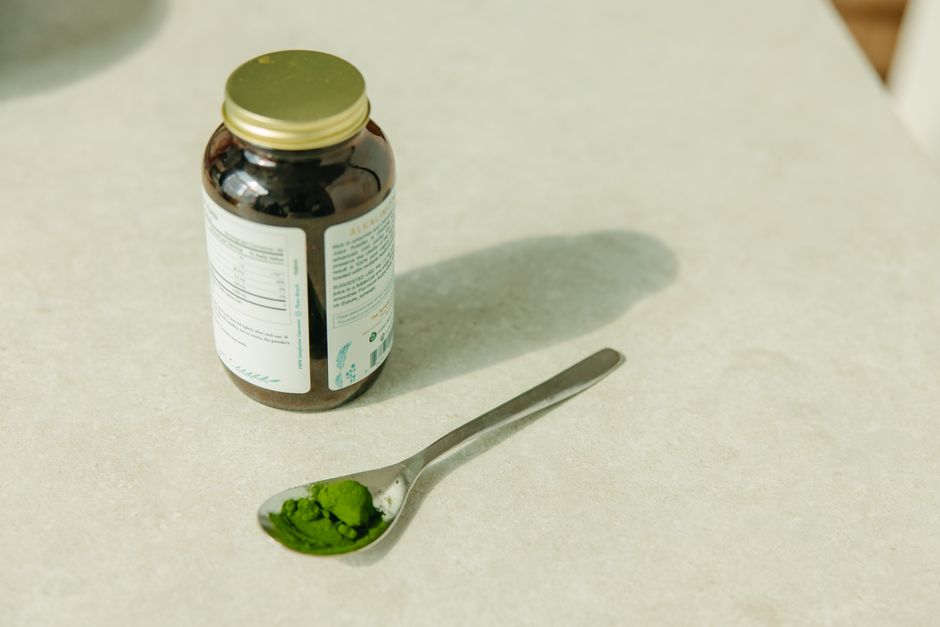
You can make egg powder at home by cooking, drying, and grinding fresh eggs into a shelf-stable powder. Whole eggs, whites, and yolks can each be dried separately. The process takes a few hours and requires a food dehydrator or a very low oven. Done correctly, home-dried egg powder can store for years in an airtight container kept cool and dark.
This is not a casual kitchen project. Eggs are a high-risk food for bacterial growth when they sit in the temperature range between refrigeration and full cooking. The drying method matters, the temperature matters, and how you store the finished powder matters. Get any of those wrong and you have created a food safety problem that does not announce itself until someone gets sick.
Why Would You Make Egg Powder For Long Term Storage?
Eggs are one of the hardest foods to store long-term. They crack, they expire, and they cannot be canned safely at home. Powdered eggs solve that problem by removing the water that bacteria and mold need to grow.
Commercial egg powder has been a staple of military rations and emergency food supplies for decades. The drying process preserves most of the protein and fat content. What it does not preserve perfectly is texture and some heat-sensitive nutrients. Powdered eggs work well in baked goods, scrambled eggs, and recipes where the egg is mixed into something else. They do not perform the same as fresh eggs in every application.
For someone building a long-term food supply, egg powder fills a real gap. It provides complete protein with all nine essential amino acids, plus fat-soluble vitamins A, D, E, and K along with B vitamins. That nutritional profile is difficult to replace with shelf-stable alternatives.
What Equipment Do You Need To Make Egg Powder?
A food dehydrator with adjustable temperature control is the most reliable tool for this job. You need to hold a consistent temperature for several hours. Most dehydrators handle this well.
If you do not have a dehydrator, a conventional oven set to its lowest temperature can work. The problem is that most home ovens do not go below 170°F (about 77°C), and some cycle well above their set temperature. An oven thermometer placed inside will tell you what is actually happening. Do not trust the dial.
You will also need:
- A blender or food processor for grinding the dried eggs into powder
- Parchment paper or dehydrator trays lined with non-stick sheets
- Airtight containers for storage — glass jars with tight lids or Mylar bags with oxygen absorbers
- A fine-mesh strainer if you want a smoother powder
A kitchen scale helps more than measuring cups here. Dried egg powder is much lighter than fresh egg, and volume measurements become unreliable after drying.
How To Make Egg Powder For Long Term Storage Step By Step
The process differs depending on whether you are drying whole eggs, whites only, or yolks only. Whole eggs are the most versatile but also the most difficult to dry evenly because the fat in yolks slows moisture removal.
Whole Egg Powder
Start with fresh eggs. Crack them into a blender and blend until the yolks and whites are completely combined. You can add a pinch of salt or sugar if you plan to use the powder in specific recipes, but plain works fine for general use.
Pour the blended egg mixture onto lined dehydrator trays. Spread it thin — no more than a quarter inch deep. Thick layers dry unevenly, and the center can stay wet while the edges turn brittle.
Set the dehydrator to 135°F (57°C) and dry for 8 to 12 hours. The exact time depends on humidity, tray depth, and your machine. Check at the 8-hour mark. The egg is fully dry when it snaps and crumbles instead of bending.
Egg White Powder
Separate the whites from the yolks. Whisk the whites briefly to break up the structure, then spread them thin on trays. Whites dry faster than whole eggs. Expect 6 to 10 hours at 135°F (57°C).
Egg Yolk Powder
Yolks are the hardest to dry because of their fat content. Some people cook the yolks first by boiling eggs, separating the cooked yolks, and mashing them before drying. This reduces the risk of uneven drying and makes the process more predictable. Raw yolk drying is possible but requires more attention and longer drying times.
Once fully dried, let the pieces cool completely. Warm powder will create condensation inside the storage container. Grind in small batches in a blender or food processor until you reach a fine, even powder. Sift out any chunks and re-dry them if they are still soft.





How Do You Store Egg Powder For Maximum Shelf Life?
Storage is where most home projects fail. Powder that is not completely dry will mold. Powder stored in a container that lets in air or moisture will degrade. Powder kept in a warm place will lose quality faster than powder kept cool.
The most reliable approach uses three barriers:
- Oxygen absorbers — these remove the oxygen that causes fats to go rancid. Use them in Mylar bags or glass jars.
- Moisture barrier — Mylar bags heat-sealed shut, or glass jars with rubber gaskets and locking lids.
- Light and heat protection — store in a dark cabinet or closet where the temperature stays stable and below 75°F (24°C).
Under ideal conditions — properly dried, oxygen-free, and kept cool and dark — home-dried egg powder can last several years. That said, no official food safety agency publishes a validated shelf-life figure for home-dried egg powder. Commercial freeze-dried egg powder has documented shelf-life data. Home-dried powder does not. Treat any specific number you see online with caution.
Check stored powder every few months. Signs of spoilage include a sour or off smell, clumping that does not break apart, visible mold, or a color change. If any of those appear, discard the entire container.
What Are The Food Safety Risks Of Home-Dried Egg Powder?
Raw eggs can carry Salmonella. The drying process does not kill bacteria — it only removes the water they need to multiply. If Salmonella is present in the raw egg, it survives drying and remains in the powder.
This is the single most important fact about home-dried egg powder. The USDA recommends cooking eggs thoroughly to kill Salmonella, and drying at 135°F (57°C) does not accomplish that. That temperature is warm enough to dry the egg but not hot enough to reliably kill bacteria.
There are two ways to manage this risk:
- Use pasteurized eggs as your starting material. Pasteurized shell eggs and liquid pasteurized eggs are available in most US grocery stores.
- Cook the eggs before drying. Scrambled eggs that have been fully cooked can be dried and ground into powder. The texture is different, but the safety profile is better.
Some home food preservation guides recommend drying raw eggs and relying on the drying temperature to reduce bacterial load. The evidence does not support this as a reliable kill step. If you choose to dry raw eggs, understand that you are accepting a risk that pasteurized eggs or pre-cooked eggs would eliminate.
People who are pregnant, over 65, immunocompromised, or feeding young children should be especially careful. Salmonella infections are more dangerous for these groups.
How Do You Use Egg Powder In Cooking?
Whole egg powder rehydrates with water. A common ratio is one tablespoon of powder plus two tablespoons of water to replace one fresh egg. This is a general guideline, not a precise standard — the exact ratio depends on how dry your powder is and what you are making.
For baking, egg powder works well in cookies, muffins, pancakes, and quick breads. The powder mixes into dry ingredients before liquids are added. This is the easiest way to use it.
For scrambled eggs, rehydrate the powder with warm water and let it sit for a few minutes before cooking. The texture will be softer and less firm than fresh scrambled eggs. That is normal.
Egg white powder has a specific use in recipes that call for whipped egg whites. It does not whip the same way fresh whites do. It works better as a protein additive in smoothies or as a binder in meatballs and patties.
Egg yolk powder adds richness and color to sauces, custards, and baked goods. It does not emulsify the way fresh yolks do, so it is not a direct substitute in recipes like hollandaise or mayonnaise.
Is Home-Dried Egg Powder Better Than Commercial?
Commercial egg powder is produced with spray dryers or freeze dryers that achieve consistent results impossible to match at home. The product is tested for moisture content, bacterial load, and shelf life. It is also often pasteurized during processing.
Home-dried egg powder gives you control over ingredients and lets you use your own eggs. But it does not come with the same safety guarantees. If your goal is reliable long-term storage with minimal risk, commercial freeze-dried egg powder is the more predictable option.
If your goal is self-sufficiency or using up a surplus of eggs, home drying is a reasonable project — as long as you start with pasteurized eggs or cook the eggs first, dry them completely, and store them properly.
Frequently Asked Questions
How long does homemade egg powder last?
Properly dried and stored egg powder can last several years, but no official agency publishes a validated shelf-life figure for home-dried egg powder. Commercial freeze-dried egg powder has documented shelf-life data that home-dried powder does not.
Can you make egg powder without a dehydrator?
Yes, a conventional oven set to its lowest temperature can work, but most home ovens do not hold a consistent low enough temperature. An oven thermometer is essential to verify the actual temperature inside.
Does drying eggs kill Salmonella?
No. Drying removes water but does not reach temperatures high enough to reliably kill Salmonella. Using pasteurized eggs or fully cooking the eggs before drying is the safer approach.
How much egg powder equals one fresh egg?
A common guideline is one tablespoon of whole egg powder plus two tablespoons of water. The exact ratio varies depending on how dry your powder is and what recipe you are making.
