
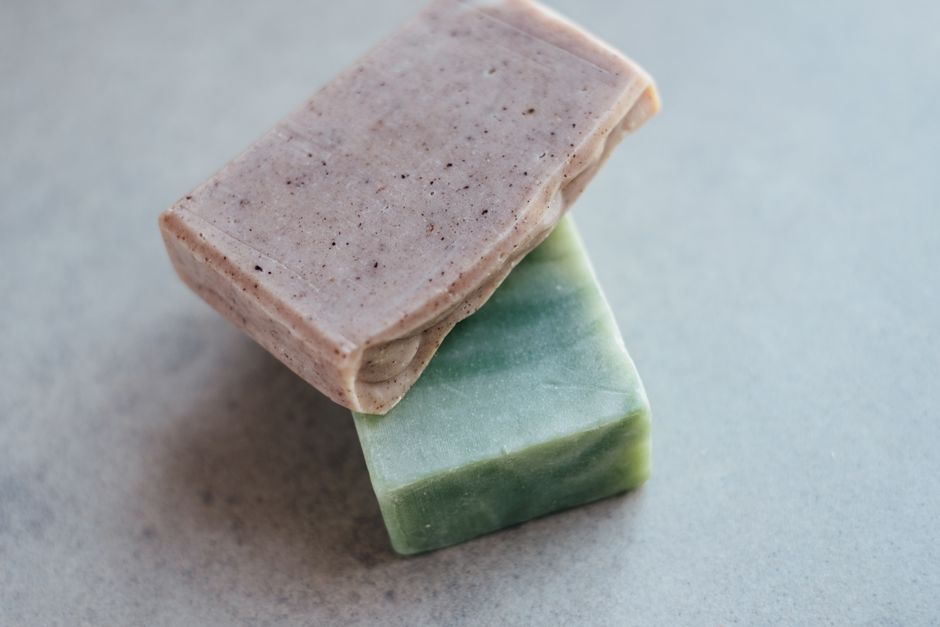
Making eco-friendly soap at home starts with cold process saponification: you mix a lye solution with a blend of plant-based oils, stir until the mixture thickens into “trace,” pour it into a mold, and let it cure for several weeks. The “eco-friendly” part comes from choosing biodegradable oils, avoiding synthetic fragrance and plastic packaging, and sourcing ingredients with low environmental impact. It is a genuinely rewarding craft, but it involves a strong alkali (sodium hydroxide) that can cause serious burns, so safety comes before everything else.
What Does “Eco Friendly” Actually Mean in Soap Making?
Eco-friendly soap is soap whose ingredients break down readily and whose production and packaging create as little waste as possible. Real soap — the kind made from oils and lye — is inherently biodegradable. That is a meaningful advantage over many commercial “beauty bars” that contain synthetic detergents, fillers, and plastic microbeads.
The environmental footprint of a bar of soap comes down to a few factors:
- Oils and butters: Palm oil is linked to deforestation when not certified sustainable. Olive, coconut, sunflower, and locally sourced tallow or lard all have different land and water costs.
- Fragrance and color: Synthetic fragrance oils may contain phthalates. Essential oils are plant-derived but are not automatically safer for skin or the environment — some are allergens, and they still require careful use.
- Packaging: A naked bar of soap is close to zero-waste. Plastic wrap and pump bottles are not.
- Transport and sourcing: Ingredients shipped long distances carry a carbon cost. Buying in bulk and sourcing locally reduces it.
One clarification worth making: “eco-friendly” is not a regulated term. Any soap can be labeled that way. What matters is what is actually in the bar and how it is packaged.
What Do You Need to Make Cold Process Soap Safely?
Cold process soap requires a small, specific set of tools and ingredients, and some of them are hazardous. Sodium hydroxide (lye) is the non-negotiable one — without it, oils and water will never turn into soap.
Ingredients
- Sodium hydroxide (lye): Sold as 100% pure lye crystals for soap making. Never substitute drain cleaner.
- Distilled water: Tap water contains minerals that can interfere with saponification.
- Base oils: A common starting blend is olive oil (gentle, conditioning), coconut oil (cleansing lather), and a solid fat like shea butter or cocoa butter for hardness. Recipes are calculated by weight, not volume.
- Optional: Essential oils for scent, clays or plant powders for color, and oatmeal or dried botanicals for texture.
Equipment
- A digital scale accurate to 1 gram — soap making is done entirely by weight
- Stainless steel or heavy plastic bowls (never aluminum — lye reacts with it)
- Heat-safe glass or plastic pitchers for the lye solution
- Stick blender, silicone spatula, and a thermometer
- Safety glasses or goggles, chemical-resistant gloves, and a long-sleeve shirt
- A silicone or wooden soap mold lined with parchment
Keep all soap-making equipment separate from kitchen equipment you use for food. Lye residue on a spoon is not something you want near your dinner.
How Do You Calculate a Safe Lye Amount?
You calculate lye by weight based on the specific oils in your recipe, using a lye calculator. This is the single most important safety step in soap making, and it is not optional.
Every oil has a “saponification value” — the amount of lye needed to fully convert it into soap. Different oils need different amounts. A recipe with too little lye leaves unsaponified oil in the bar (which is soft and can go rancid). A recipe with too much lye leaves free alkali in the bar, which can burn skin.
Soap makers deliberately use a small lye discount — called “superfatting” — so that a little oil remains unconverted. This makes the bar milder. A typical superfat is around 5%, but the exact figure should come from a lye calculator, not from memory or a guess.
Use an online lye calculator (many soap-making suppliers offer free ones). Enter each oil and its weight, set your superfat percentage, and the calculator returns the exact lye and water amounts. Do not adjust these numbers by feel.





How To Make Eco Friendly Soap Cold Process Recipe?
Here is the general process. Exact quantities must come from a lye calculator for your specific oil blend — this outline explains the method, not a fixed formula.
Step 1: Prepare Your Workspace
Work in a well-ventilated area with a clean, clear surface. Put on goggles and gloves before you open the lye. Keep children and pets out of the room. Have white vinegar on hand — it neutralizes lye spills on surfaces (though not on skin; for skin, flush with plenty of cool water).
Step 2: Make the Lye Solution
Weigh your distilled water into a heat-safe pitcher. Slowly pour the lye crystals into the water and stir gently until dissolved. Always add lye to water, never water to lye — the reverse can cause a sudden boil-over of caustic solution. The mixture will heat up dramatically and give off fumes. Let it cool to roughly room temperature before proceeding.
Step 3: Melt and Combine the Oils
Weigh your solid fats and melt them gently, then add the liquid oils. Bring the oils and the lye solution to within about 10°F (roughly 5°C) of each other. Many soap makers aim for both around 100–110°F (38–43°C), though exact temperatures vary by recipe.
Step 4: Blend to Trace
Pour the lye solution into the oils and stir with the stick blender in short pulses. The mixture will thicken into a pudding-like consistency called “trace.” Add essential oils or color at light trace, just before pouring.
Step 5: Pour and Insulate
Pour into your mold, tap it to release air bubbles, and cover with a lid or towel. The soap will go through “gel phase,” where it heats up and becomes slightly translucent. This is normal and affects texture and color, not safety.
Step 6: Unmold and Cure
After about 24 to 48 hours, the soap is firm enough to cut. Then it needs to cure. Cold process soap is not ready to use the day it is made — it needs several weeks of curing to finish saponifying, lose excess water, and become milder and longer-lasting. A common cure time is 4 to 6 weeks. Do not skip this step.
How Do You Keep the Recipe Eco Friendly?
Eco-friendliness is a series of choices, not a single ingredient. A few that make a real difference:
- Choose sustainable palm oil or replace it with a blend of olive, coconut, and a locally available fat. Look for certified sustainable sourcing.
- Use essential oils sparingly. They are plant-derived but are concentrated allergens. Some, like citrus oils, are phototoxic. Follow supplier guidance on maximum use rates.
- Skip synthetic fragrance and dye. Clays, cocoa powder, and plant infusions color soap naturally.
- Package naked. A paper band or a cotton bag is enough. Avoid plastic wrap.
- Buy in bulk. Fewer, larger containers mean less packaging waste.
One point that often gets lost: “natural” and “eco-friendly” are not the same as “safe for everyone.” Essential oils and some plant ingredients can irritate sensitive skin. A patch test on a small area is a reasonable precaution before regular use.
Is Cold Process Soap Safe for Beginners?
Cold process soap making is safe when you follow proper precautions, and it is a well-established craft practiced by home makers for generations. The main risks come from lye — skin burns, eye damage, and fumes — and from handling hot oil and caustic solutions.
Beginners should start with a simple, tested recipe from a reputable soap-making source rather than inventing their own. Follow the lye calculator exactly. Wear goggles and gloves every time, even for a “quick” batch. And remember that freshly made soap is not safe to use until it has cured and its pH has settled.
If you have never worked with lye before, it is worth watching a full demonstration video from a recognized soap-making educator before your first batch. Reading about it and doing it are different experiences.
Frequently Asked Questions
How long does cold process soap need to cure?
Most cold process soap cures for 4 to 6 weeks before use. Curing lets excess water evaporate and the saponification process finish, which makes the bar milder and longer-lasting.
Can I make cold process soap without lye?
No — sodium hydroxide is required to turn oils into soap through saponification. There is no substitute in true cold process soap making; “lye-free” products are usually melt-and-pour bases or detergents, not cold process soap.
What oils make the most eco friendly soap?
Olive, sunflower, and locally sourced fats have lower environmental impact than uncertified palm oil. Coconut oil is common but has a higher land-use footprint, so many makers use it in moderation alongside other oils.
Is homemade cold process soap better for sensitive skin?
It can be milder than some commercial bars because you control the ingredients, but it is not automatically better for sensitive skin. Essential oils, fragrances, and some plant additives can still cause irritation, so patch testing is wise.
