
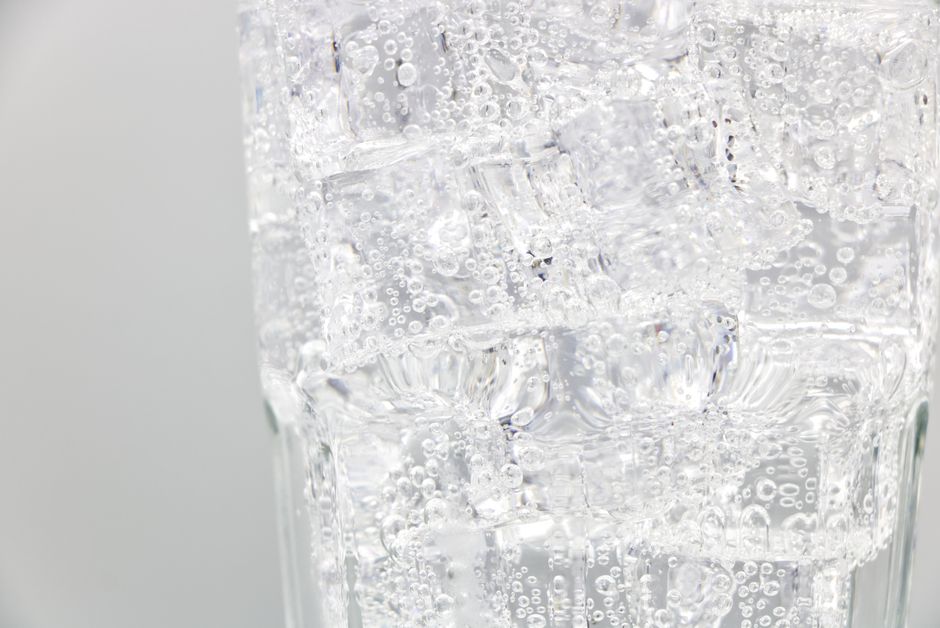
You can make a drink fizzy by dissolving carbon dioxide gas into it under pressure. A machine does this with a sealed bottle and a CO2 cartridge or tank. Without a machine, you can use fermentation, a pressurized bottle and CO2 charger, or a store-bought seltzer base. The gas is the same in every case. Only the delivery method changes.
Carbonation is simple chemistry. Water holds more dissolved CO2 when it is cold and under pressure. Release the pressure and the gas escapes as bubbles. That is why a bottle goes flat when you open it and leave it out. Everything below follows from that one fact.
How To Make Drinks Fizzy With Or Without A Machine
A countertop carbonation machine is the most direct route. You fill the supplied bottle with cold water, attach it to the machine, and press a button that injects CO2 from a cartridge or cylinder. The pressure forces gas into the liquid. When you release the bottle, the pressure drops and the CO2 stays dissolved until you open it again.
Two practical points matter more than most people expect. First, cold water absorbs CO2 far better than warm water. Chill your water before carbonating, not after. Second, the bottle must be the one made for your machine. These bottles are built to hold pressure. A standard plastic water bottle or glass jar is not, and pressurizing one can cause it to burst.
Most home machines carbonate plain water only. Flavoring goes in after carbonation, not before. Adding juice, syrup, or powder to the bottle before carbonating can cause violent foaming and, in some machines, damage to the valve. Check your machine’s manual for what it permits.
Without a machine, you have three realistic options:
- Fermentation. Yeast consumes sugar and produces CO2. Sealed in a pressure-safe bottle, that gas dissolves into the liquid. This is how ginger beer and kombucha get their fizz.
- A CO2 charger. A small handheld device with a threaded cap and a CO2 cartridge carbonates a bottle of cold water or juice in seconds. It is cheaper than a machine but less consistent.
- Mixing with seltzer. Carbonated water from a store or a soda maker becomes the base for juice, syrup, or tea. You are not carbonating the drink. You are diluting a fizzy liquid with a flat one.
Why Does Cold Water Hold Carbonation Better?
Cold liquids dissolve more gas than warm ones. This is a general property of gases in liquids, and it is the single biggest reason home carbonation fails.
When you carbonate warm water, less CO2 goes into solution. The gas that does dissolve escapes faster once the bottle is open. The result is a drink that fizzes briefly and then tastes flat. Chilling water to refrigerator temperature before carbonating makes a noticeable difference in how long the fizz lasts.
The same principle explains why a cold soda stays lively longer than a warm one left on the counter. Temperature is not the only factor. The seal on the bottle and how often you open it matter just as much. Every time you open the bottle, you release pressure and let gas escape. A tight cap and minimal opening keep carbonation longer.
Can You Carbonate Juice, Tea, or Alcohol at Home?
You can carbonate many liquids, but not all of them behave the same way. Water carbonates cleanly. Juice, tea, and wine contain sugars, proteins, and particles that give CO2 bubbles something to cling to. The result is heavy foaming that can overflow the bottle.
The practical workaround is to carbonate plain water first, then mix it with the flavored liquid in a glass. You lose some control over the final ratio, but you avoid the foam problem entirely. Some countertop machines allow carbonating juice, but only with specific bottles and settings. Follow the manufacturer’s instructions rather than assuming.
Carbonating alcohol deserves a separate caution. CO2 dissolves into wine, beer, or spirits, but the foam behavior is unpredictable and the pressure inside a sealed bottle can rise quickly. No clinical or regulatory guidance exists for home carbonation of alcoholic drinks. Treat it as an experiment, not a routine.
What Is Fermentation Carbonation and Is It Safe?
Fermentation carbonation relies on yeast producing CO2 inside a sealed container. The gas has nowhere to go, so it dissolves into the liquid. This is the traditional method behind ginger beer, kombucha, and some traditional sodas.
The safety issue is pressure. A sealed bottle that keeps building CO2 can explode. Glass bottles are especially risky because they fail suddenly and send shards outward. If you ferment in a sealed container, use bottles designed for pressure, such as those made for home brewing, and refrigerate them once the desired fizz develops to slow the yeast.
Fermentation also produces a small amount of alcohol. The amount varies widely depending on the recipe, the sugar content, and how long it ferments. No reliable standard exists for estimating alcohol in a home-fermented drink. If you avoid alcohol for medical, religious, or personal reasons, this method may not suit you.
Food safety matters too. A fermented drink left at room temperature for too long can grow harmful bacteria or mold. Keep the process clean, use sanitized equipment, and follow a tested recipe rather than improvising. Home fermentation is a genuine skill and a genuine risk if done carelessly.
Do Fizzy Drinks Affect Your Health Differently Than Flat Ones?
Carbonation itself does not add calories, sugar, or sodium. The bubbles are CO2, and CO2 is not a nutrient. A plain carbonated water has the same basic nutritional profile as still water.
What changes health outcomes is what is dissolved alongside the gas. Regular soda carries large amounts of added sugar. Diet soda carries artificial sweeteners. Sparkling water with added minerals or flavoring carries whatever the label lists. The fizz is not the health issue. The ingredients are.
Some people notice bloating or burping after carbonated drinks. That is a mechanical effect of swallowed gas, not a sign of harm. People with certain digestive conditions may find carbonation uncomfortable. That is a personal tolerance question, not a universal rule.
One clarification worth stating plainly: carbonated water does not weaken bones or harm tooth enamel by itself. Those claims circulate widely and are not supported by strong evidence. Acidic flavorings and sugar in sodas are a different matter and do affect teeth.
What Equipment Do You Actually Need?
The minimum for machine carbonation is the machine, its CO2 source, and the bottle it came with. Nothing else is required. For the no-machine route, the equipment depends on the method.
| Method | What you need | Best for |
|---|---|---|
| Countertop machine | Machine, CO2 cartridge or cylinder, pressure-rated bottle | Plain water, frequent use |
| Handheld CO2 charger | Charger, CO2 cartridges, compatible bottle | Occasional use, travel |
| Fermentation | Pressure-rated bottles, yeast, sugar, sanitizer | Ginger beer, kombucha |
| Mixing with seltzer | Store-bought carbonated water, juice or syrup | Quick flavored drinks |
CO2 cartridges and cylinders are the ongoing cost of any machine. A cylinder that holds more gas costs more upfront but lasts far longer. Cartridges are convenient but add up over time. Neither is dangerous when used as directed, but both are pressurized and should be stored away from heat.
What Are the Common Mistakes?
Using the wrong bottle is the most serious mistake. A container not rated for pressure can fail. Never carbonate in glass unless the machine is designed for it. Never carbonate in a thin plastic bottle.
Overfilling is the second. Leave headspace so gas and foam have room to expand. A bottle filled to the brim will foam over or build pressure faster than intended.
Carbonating warm liquid is the third. It wastes gas and produces weak fizz. Chill first.
Adding flavoring before carbonation is the fourth. It causes foaming and can clog or damage machine parts. Flavor after, not before.
Expecting a homemade fizzy drink to stay fizzy for days is the fifth. Once opened, carbonation declines. A tight cap slows the loss but does not stop it. Drink it fresh for the best result.
Frequently Asked Questions
Can I make fizzy drinks without buying a machine?
Yes. You can use a handheld CO2 charger, ferment with yeast in a pressure-rated bottle, or mix juice with store-bought seltzer. Each method produces fizz without a countertop machine.
Why does my homemade soda go flat so fast?
Warm liquid and frequent opening let dissolved CO2 escape quickly. Chill the drink before carbonating and keep the cap tight between pours to slow the loss.
Is carbonated water bad for your teeth?
Plain carbonated water is not a major threat to tooth enamel. The bigger concern is added sugar and acidic flavorings in sodas, which do affect teeth.
Can I carbonate juice in a soda machine?
Some machines allow it with specific bottles and settings, but many do not. Carbonate plain water first and mix in juice afterward to avoid heavy foaming.
