
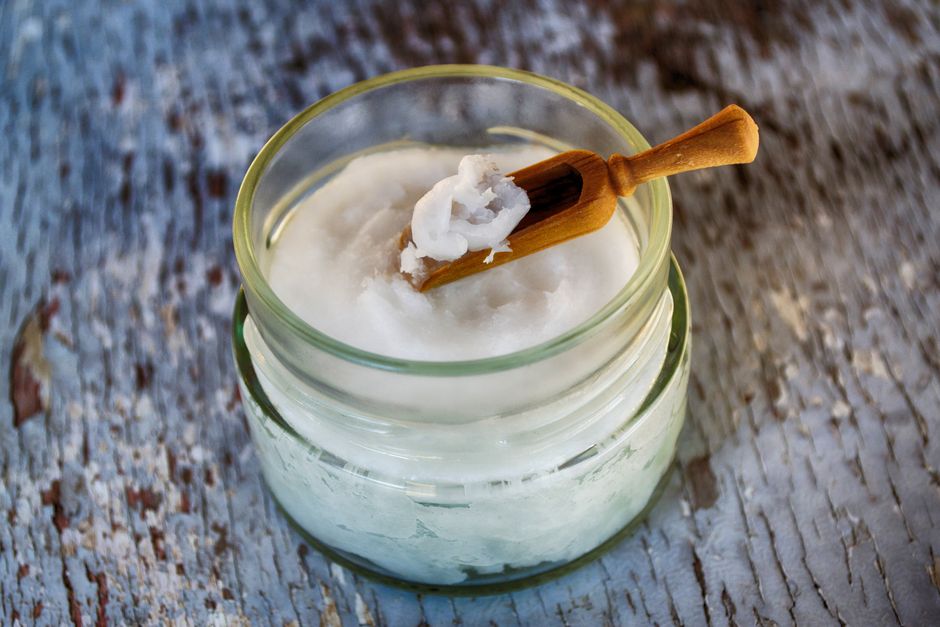
Foam can ruin a good batch of homemade cleaning solution, clog a drain, or make a compost tea overflow. A defoamer, also called an anti-foaming agent, breaks down surface tension so bubbles collapse. You can make a basic, effective defoamer at home using ingredients you likely already have in your pantry, like vegetable oil and cornstarch. The most reliable simple recipe combines one part oil with one part cornstarch, mixed into a paste and diluted with water.
Why Do You Need a Defoamer?
Foam forms when air gets trapped in a liquid that has surfactants. Surfactants are molecules that lower surface tension. Soap, detergent, and many natural plant extracts act this way. When you agitate the liquid, air pockets get trapped and rise to the top. The surfactant holds the bubble walls together. That is how foam becomes stable.
In some situations, foam is harmless. In others, it is a real problem. Foam can overflow a bucket, ruin a spray bottle, or cause a pump to lose prime. In a septic system or a washing machine, excess foam can cause mechanical issues. A defoamer collapses the bubble walls so the air escapes and the liquid settles.
Commercial defoamers often use silicone or mineral oil. These work extremely well but are not something most people keep at home. The good news is that common kitchen ingredients can do the job for most household needs.
How To Make Defoamer With Simple Ingredients
The most straightforward homemade defoamer uses vegetable oil and cornstarch. Oil breaks the surface tension of the foam. Cornstarch thickens the mixture so the oil disperses evenly instead of floating on top as a separate layer.
Here is the basic recipe:
- 1 part vegetable oil (canola, sunflower, or any neutral oil)
- 1 part cornstarch
- 4 parts warm water
Mix the oil and cornstarch first. Stir until you have a smooth paste. Then slowly add the warm water while stirring constantly. Pour the mixture into a spray bottle or a squeeze bottle. Shake well before each use.
To use it, spray or drizzle a small amount directly onto the foam. Start with a teaspoon and add more only if needed. A little goes a long way. This mixture works well for foam on top of compost tea, homemade liquid soap, or a bucket of wash water.
How Does Oil Break Down Foam?
Foam bubbles are thin films of liquid wrapped around air. The film stays intact because of surface tension. When oil touches the bubble wall, it spreads across the surface. Oil has a lower surface tension than water. This difference causes the bubble wall to thin out rapidly. Once the wall gets thin enough, it pops.
This is the same reason oil ruins a foam bath. A few drops of oil on the surface will collapse the bubbles quickly. The effect is physical, not chemical. The oil does not destroy the soap or detergent. It simply disrupts the foam structure. The cleaning power of your solution remains unchanged.
Cornstarch is not strictly necessary for the defoaming action. It helps keep the oil suspended in water. Without a thickener, the oil separates and floats. That makes it harder to apply evenly. The cornstarch also adds a slight weight to the mixture, which helps it sink through the foam layer to reach the liquid below.




Alternative Simple Defoamer Recipes
Vegetable oil and cornstarch is the most reliable home recipe. But other options exist depending on what you have on hand.
Plain vegetable oil works in a pinch. Just drizzle a few drops directly on the foam. The downside is that oil floats on top of the liquid. If you need to stir the liquid afterward, the foam will return. This method is best for a one-time quick fix.
Rubbing alcohol can break foam in some situations. Alcohol reduces surface tension rapidly. Spray a small amount of isopropyl alcohol on the foam. It evaporates quickly and does not leave an oily residue. This works well for foam in a spray bottle or a small container. Do not use alcohol in large quantities near an open flame. It is flammable.
Vinegar is another option. White vinegar can disrupt foam in some soap solutions. It works by changing the pH of the liquid. This can cause certain surfactants to become less effective. Vinegar is not as reliable as oil. It works best with alkaline soap solutions, not neutral or acidic ones.
None of these alternatives are as effective as the oil and cornstarch mixture. If you need a dependable defoamer, stick with the basic recipe.
When a Homemade Defoamer Is Not Enough
Homemade defoamers work well for light to moderate foam. They are not suitable for every situation. If you are dealing with heavy industrial foam or foam caused by certain chemicals, a simple oil mixture will not solve the problem.
Some surfactants are extremely resistant to oil. Silicone-based defoamers are used in industrial settings because they are far more powerful than vegetable oil. If your foam keeps returning after applying a homemade defoamer, the surfactant is likely too strong for oil to handle.
Protein-based foam is another challenge. Proteins create very stable foam structures. Think of whipped egg whites. Oil can break this foam, but it takes a lot more oil and vigorous mixing. For protein foam in a large container, a homemade defoamer may not be practical.
In these cases, consider whether the foam is actually a problem. If it is just an aesthetic issue, let it settle naturally. If it is causing overflow or mechanical issues, you may need a commercial defoamer designed for your specific application.
Safety and Storage Tips for Homemade Defoamer
Vegetable oil and cornstarch are food-grade ingredients. They are safe to handle and safe to use around plants and compost. This makes the homemade defoamer a good choice for garden applications where you do not want to introduce synthetic chemicals.
Store the mixture in a sealed container at room temperature. It should last for several weeks. Shake it well before each use because the oil will separate over time. If you notice a rancid smell, discard the mixture and make a fresh batch. Rancid oil develops an unpleasant odor and can attract pests.
Do not use this defoamer in a washing machine or dishwasher. The oil can stain clothes and leave a residue on dishes. Commercial defoamers designed for appliances are the right choice there. The homemade version is best for buckets, spray bottles, compost tea, and similar open containers.
If you are using the defoamer on plants, test it on a small area first. Oil on plant leaves can block pores and cause damage in direct sunlight. Apply the defoamer to the foam, not to the plant itself.
Common Mistakes When Making Homemade Defoamer
The most common mistake is using too much oil. A heavy layer of oil on top of your liquid can be worse than the foam. It can coat your spray bottle, leave residue, and be difficult to clean. Start with a tiny amount and add more gradually.
Another mistake is skipping the cornstarch. Plain oil works, but it separates quickly. The cornstarch keeps the mixture emulsified long enough to apply it evenly. Without it, you end up pouring oil directly onto the foam in one spot, which can leave an oily film.
Using cold water is also a problem. Cold water does not dissolve cornstarch well. You end up with clumps that clog your spray bottle. Warm water is essential for a smooth mixture. Let the mixture cool before using it if you are worried about heat sensitivity.
Finally, do not expect a homemade defoamer to work instantly on all types of foam. Some foams collapse within seconds. Others take a minute or two. If nothing happens after a minute, add a little more and wait again.
Frequently Asked Questions
Can I use olive oil instead of vegetable oil?
Yes, olive oil works the same way as vegetable oil for breaking foam. It is thicker, so it may take slightly longer to spread across the bubble surface, but the effect is the same.
Will a homemade defoamer ruin my compost tea?
No, vegetable oil and cornstarch are safe for compost and soil. Use a small amount and apply it only to the foam. The oil will not harm beneficial microbes in meaningful amounts.
How much defoamer should I use?
Start with one teaspoon for a bucket of foam. If the foam does not collapse within a minute, add another teaspoon. More is not better — excess oil leaves a film on the liquid surface.
Does the homemade defoamer work on soap foam?
Yes, it works well on foam from hand soap, dish soap, and laundry detergent in open containers. It is not suitable for use inside a washing machine or dishwasher because the oil can leave residue.
