
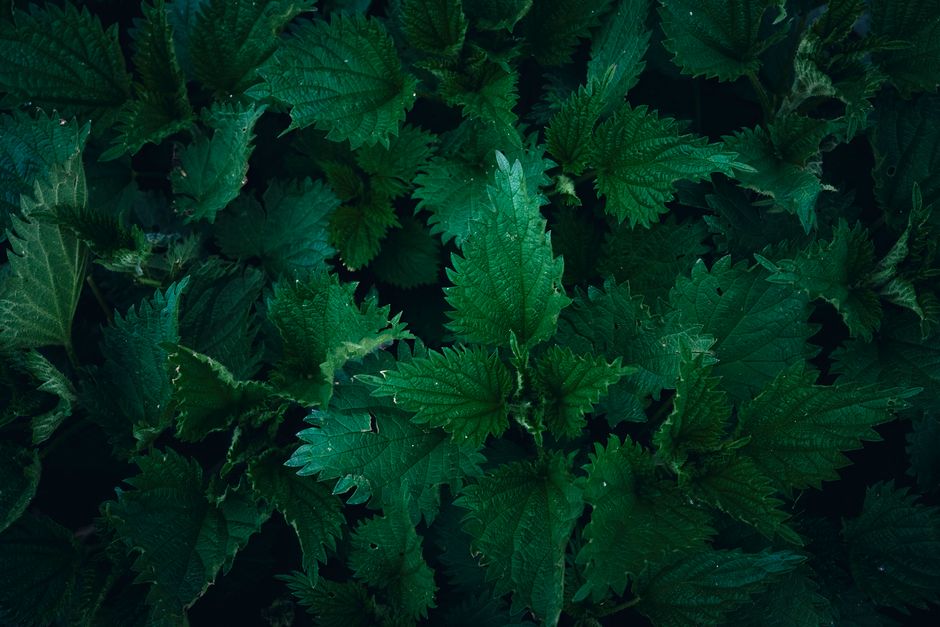
Dead nettle tea is a mild, pleasant herbal infusion made from the leaves of the Lamium plant, most commonly Lamium purpureum (purple dead nettle) or Lamium album (white dead nettle). To make it, steep one to two teaspoons of dried leaves or a small handful of fresh leaves in hot water for 5 to 10 minutes, then strain and drink. The plant is called “dead” nettle because it does not sting, unlike true nettles, making it safe to handle and harvest with bare hands.
What Is Dead Nettle and Is It Safe to Use?
Dead nettle is a common wild plant that grows in yards, fields, and along roadsides across North America and Europe. It blooms early in spring, often before other plants wake up. The purple-flowered variety is the one most people find in their gardens.
The leaves and flowers are edible and have been used in traditional herbal medicine for centuries. They are not the same plant as stinging nettle (Urtica dioica), though the two are sometimes confused. Dead nettle does not contain the histamine and formic acid that make stinging nettle irritate the skin.
For most healthy adults, drinking dead nettle tea is considered safe in normal food amounts. However, no large clinical trials have studied its effects in humans. If you are pregnant, breastfeeding, or taking prescription medication, talk to your doctor before using any herbal tea regularly.
How To Make Dead Nettle Tea From Fresh Or Dried Leaves
The process is simple and works the same way for both fresh and dried plant material. The main difference is the amount you use and the steeping time.
For fresh leaves, rinse them thoroughly under cool water to remove dirt and small insects. Use about a handful of fresh leaves and flowers, roughly one-quarter cup packed. Tear or chop them lightly to release more surface area. Place them in a mug or teapot.
For dried leaves, use one to two teaspoons of dried plant material per cup of water. Dried herbs are more concentrated than fresh, so you need less. If you are using a tea ball or infuser, fill it about halfway.
Heat water to just below boiling, around 200°F (93°C). Pour the hot water over the plant material. Cover the cup or pot and let it steep for 5 to 10 minutes. A longer steep produces a stronger, slightly more bitter tea. Strain and drink warm.
The tea has a mild, earthy flavor with a hint of sweetness. Many people add honey or lemon. Some describe it as similar to mild green tea or fresh grass.
How To Dry Dead Nettle Leaves at Home
If you have access to fresh dead nettle, drying it yourself is easy and gives you a supply for winter. Harvest the top few inches of the plant, including leaves and flowers, on a dry day after the morning dew has evaporated.
Rinse the plant material and pat it dry with a clean towel. Spread the leaves and flowers in a single layer on a drying rack or a baking sheet lined with paper towels. Keep them out of direct sunlight in a warm, dry, well-ventilated room.
Small batches dry in 3 to 7 days. The leaves are ready when they crumble easily between your fingers. Store the dried herb in an airtight glass jar away from light and heat. Properly dried and stored, it should keep for up to a year, though flavor fades over time.
You can also use a food dehydrator set to the lowest setting, around 95°F (35°C), for faster results. Avoid using a conventional oven, as heat above 110°F (43°C) can degrade the volatile compounds that contribute to flavor.
What Does the Research Say About Dead Nettle Benefits?
Dead nettle has a long history of traditional use, but modern research is limited. Some laboratory studies have found that extracts from Lamium species contain antioxidant and anti-inflammatory compounds. These include flavonoids, phenolic acids, and iridoids.
Some research suggests that dead nettle extracts may have mild antimicrobial properties in test tubes. One study found that an extract of Lamium album showed activity against certain bacteria. However, laboratory results do not automatically translate to effects inside the human body.
No large human clinical trials have confirmed that drinking dead nettle tea treats any specific condition. Claims that it helps with allergies, respiratory infections, or skin conditions come from traditional use and preliminary research, not from solid clinical evidence.
The honest position is this: dead nettle tea is a pleasant, low-risk herbal drink with a plausible traditional basis, but it is not a proven medicine. If you enjoy it, drink it. If you are looking for a treatment for a medical condition, see a healthcare provider.
Fresh vs. Dried: Which Is Better for Tea?
Both forms make a good cup of tea, and the choice comes down to availability and preference. Fresh leaves have a brighter, more vegetal flavor. Dried leaves produce a deeper, slightly earthier brew.
Fresh plant material contains more water, so the flavor extracts more quickly. That is why you use a larger volume of fresh leaves compared to dried. Dried material is more concentrated, which is why a small amount goes further.
One practical difference: fresh dead nettle is only available for a few months each year, mainly in early spring. Dried dead nettle is available year-round if you prepare it yourself or buy it from a reputable herbal supplier.
There is no nutritional advantage to one form over the other for tea purposes. The drying process removes water but does not significantly change the basic composition of the plant. Choose whichever you have on hand.
Are There Any Side Effects or Precautions?
Dead nettle is generally well tolerated, but it is not completely risk-free. Some people may experience mild digestive upset, especially if they drink large amounts. Start with one cup and see how your body responds.
Allergic reactions are possible but rare. If you are allergic to plants in the mint family (Lamiaceae), which includes dead nettle, you may have a cross-reaction. Symptoms could include itching, rash, or swelling. Stop drinking the tea and seek medical attention if you develop these symptoms.
There are no established safety guidelines for dead nettle during pregnancy or breastfeeding. Because no clinical data exists for these populations, it is best to avoid regular use unless a healthcare provider approves it.
Dead nettle has no known interactions with common medications, but that does not mean interactions are impossible. Herbal teas can affect how the liver processes certain drugs. If you take prescription medication, mention your herbal tea use to your pharmacist or doctor.
Can You Harvest Dead Nettle Safely?
Yes, but you must be certain you have the right plant. Dead nettle has square stems, which is a hallmark of the mint family. The leaves are arranged in pairs opposite each other. Purple dead nettle has small pink-purple flowers clustered near the top of the stem.
Do not harvest from areas that may have been treated with herbicides, pesticides, or chemical fertilizers. Avoid roadsides where exhaust and runoff could contaminate the plants. Choose clean, unpolluted locations away from busy roads and treated lawns.
If you are not completely confident in your plant identification, buy dried dead nettle from a reputable supplier instead. Mistaking another plant for dead nettle could be dangerous. Several look-alike plants exist, and some are not edible.
When harvesting, take only the top few inches of healthy plants. Leave the roots and lower leaves so the plant can regrow. This is also better for the local ecosystem.
Frequently Asked Questions
Can I drink dead nettle tea every day?
Moderate daily consumption is likely fine for most healthy adults, but no clinical studies have established a safe daily amount. Start with one cup per day and stop if you notice any digestive discomfort.
Does dead nettle tea contain caffeine?
No, dead nettle tea is naturally caffeine-free. It is a true herbal infusion, not a true tea from the Camellia sinensis plant, so it will not affect your sleep or cause caffeine-related side effects.
What does dead nettle tea taste like?
Most people describe it as mild, earthy, and slightly sweet with a grassy note. The flavor is gentle compared to stinging nettle tea, and it takes honey or lemon well if you prefer a sweeter drink.
Can I use dead nettle flowers in the tea too?
Yes, the flowers are edible and contain many of the same compounds as the leaves. Including them adds a slightly sweeter flavor and makes the tea more visually appealing.
