
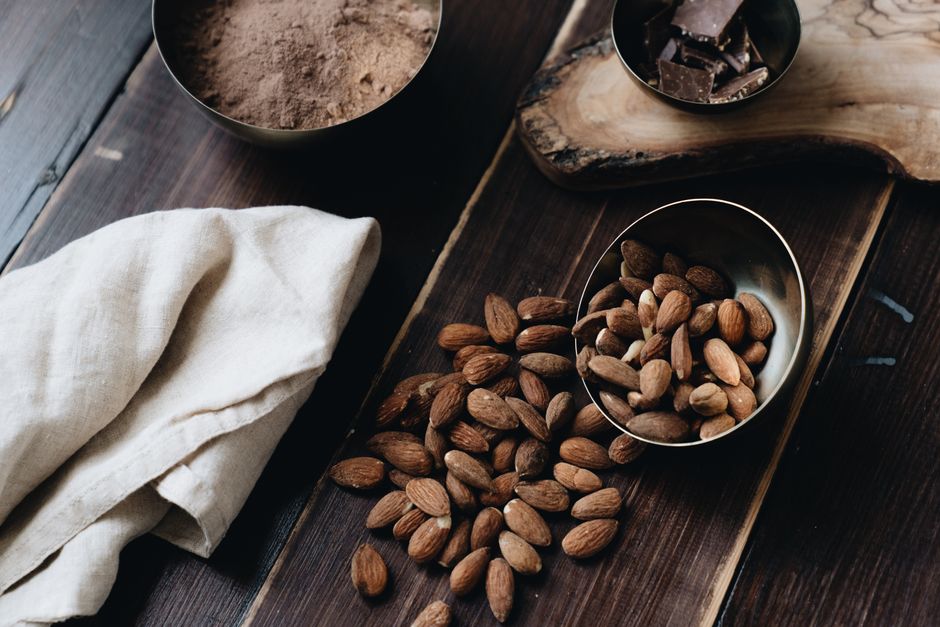
You can make dark brown food coloring at home by cooking sugar and water into a dark caramel, or by simmering cocoa powder into a thick paste. Both give you a concentrated brown liquid you can stir into frosting, dough, or sauces. The caramel method is the most reliable for deep brown tones because you control exactly how dark it gets.
Most home cooks reach for cocoa first. That works, but cocoa pushes flavors toward chocolate. Caramel stays neutral or slightly bitter, which is why it blends into savory dishes and vanilla frostings without changing what they taste like.
How To Make Dark Brown Food Coloring At Home Using Caramel
Caramel is burnt sugar, and that is the whole point. As sugar heats past its melting point, it breaks down in a process called pyrolysis. The molecules rearrange into hundreds of new compounds, and the color shifts from clear to gold to amber to deep brown. The longer you cook it, the darker it gets.
Here is the basic method:
- Put 1 cup of granulated sugar in a heavy saucepan over medium heat.
- Stir constantly with a wooden spoon or heatproof spatula as the sugar melts.
- Keep going until the liquid turns the shade of brown you want. Deep brown comes right before the point where it starts to smoke and turn bitter.
- Pull the pan off the heat immediately. The sugar keeps darkening from residual heat.
- Carefully add ½ cup of hot water. It will spatter violently. Stand back.
- Stir until the hardened caramel dissolves into a dark syrup.
Let it cool, then store it in a sealed jar in the refrigerator. It will thicken as it cools. Thin it with a splash of hot water when you need to use it.
One thing most people get wrong: they stop cooking too early. A caramel that looks dark amber in the pan will look much lighter once it is diluted into frosting or batter. Cook it a shade darker than your target color.
Can You Use Cocoa Powder To Make Brown Food Coloring?
Yes, and it is the simplest option if a chocolate flavor fits the dish. Mix cocoa powder with just enough hot water to form a thick paste, then stir that paste into whatever you are coloring. Unsweetened cocoa gives the deepest color with the least added sweetness.
The catch is flavor. Cocoa tastes like cocoa. In a chocolate cake or a mole sauce, that is fine. In a vanilla buttercream or a cream soup, it is not. Dutch-processed cocoa is darker than natural cocoa and will give you a deeper brown with less powder, but it also carries a more pronounced flavor.
Some cooks combine a small amount of cocoa with caramel to stretch the color further. The cocoa adds depth while the caramel supplies the bulk of the brown. This is a practical trick when you need a very dark result but do not want an overpowering chocolate taste.
What Other Kitchen Ingredients Make Brown Coloring?
Several pantry items produce brown color, though most are weaker than caramel or cocoa. They work best when the food you are coloring already contains them or can tolerate their flavor.
- Coffee. A strong brewed espresso or a spoonful of instant coffee dissolved in water adds brown and a roasted flavor. Use it in chocolate desserts, gravies, or anything where coffee notes fit.
- Tea. Strong black tea works similarly but is milder. It is a reasonable choice for light brown tones in baked goods.
- Molasses. Dark and intensely flavored. It brings sweetness and a distinct bitter edge. Good for gingerbread and barbecue sauces, less useful for delicate desserts.
- Soy sauce. Adds brown and salt. Useful in savory dishes only. A few drops go a long way, and it will change the taste of what you are coloring.
- Balsamic vinegar. Dark and acidic. It reduces into a syrupy brown that works in sauces but not in sweets.
None of these match caramel for color intensity per unit of volume. They are supporting players, not the main event.
How Do You Get a Really Dark Brown Without a Bitter Taste?
This is the central problem with homemade brown coloring. The same chemical reactions that create deep brown also create bitter compounds. Push caramel too far and it turns acrid.
The workaround is to build color in layers rather than pushing one ingredient to its limit. Start with a moderately dark caramel, then add a small amount of cocoa or a few drops of strong coffee. Each contributes color without any single one becoming overpowering.
Temperature control matters too. Sugar darkens fastest in the final stretch, sometimes within seconds. Keep the heat moderate rather than high, and stir constantly so no spot on the pan bottom overheats. If you smell sharp burning rather than a warm caramel smell, you have gone too far.
A pinch of salt in the finished syrup does not lighten the color, but it does round off bitterness on the tongue. Some cooks also add a small amount of butter or cream at the end, which softens the flavor and gives the syrup a richer body. That turns it into a sauce rather than a pure coloring, so use it only where a little fat is acceptable.
How Much Homemade Coloring Should You Add?
There is no standard dose for homemade coloring because concentration varies enormously from batch to batch. Add it in small amounts, stir thoroughly, and check the color before adding more.
Start with about a teaspoon per cup of frosting or batter, then adjust. A dark caramel syrup is potent. Too much will darken the color past brown into near-black and will also thin the texture of whatever you are coloring.
Remember that color looks different wet than dry. Baked goods darken in the oven, and frosting can look lighter once it sets. Test a small spoonful on a white plate before committing the whole batch.
What Are the Limitations of Homemade Brown Coloring?
Homemade coloring works well, but it is not a direct swap for commercial products. Understanding the differences saves disappointment.
Commercial brown food coloring, whether synthetic or derived from natural sources, is standardized. A few drops give a predictable result with almost no flavor. Homemade versions are the opposite: variable in strength, variable in color, and always carrying some taste.
Homemade caramel coloring also behaves differently in recipes. It is a liquid, so it adds moisture. In a carefully balanced cake recipe, an extra few tablespoons of syrup can change the texture. Commercial coloring is used in such small amounts that it does not affect the recipe at all.
There is also a food safety point worth stating plainly. Hot sugar syrup causes serious burns. It sticks to skin and keeps burning. Keep children and pets out of the kitchen while you make caramel, use a pan deep enough to contain spattering, and add water only after the pan is off the heat. Never add water to sugar that is still on a hot burner.
Finally, homemade coloring has a shorter shelf life. A refrigerated caramel syrup typically keeps for a few weeks. Discard it if you see mold or notice an off smell. Cocoa paste should be made fresh each time.
Which Method Should You Choose?
Match the method to the dish. For chocolate desserts, cocoa paste is fastest and the flavor fits. For vanilla frostings, pale doughs, and savory sauces, caramel is the better choice because it contributes color with minimal flavor change. For very dark results where a little roasted flavor is welcome, combine the two.
None of these methods require special equipment beyond a heavy saucepan and a heatproof spoon. The main skill involved is paying attention during the final minute of cooking, when the color changes fast.
Frequently Asked Questions
Can I make brown food coloring without sugar?
Cocoa powder mixed with hot water is the main sugar-free option, though it adds a chocolate flavor. Coffee and strong tea also work without sugar but give lighter, less intense brown.
Why did my caramel turn black and bitter?
Sugar continues darkening from residual heat after you remove it from the burner, so it overcooks easily. Pull the pan off the heat slightly before you reach your target color.
Is homemade caramel coloring safe to eat?
Yes, cooked sugar syrup is safe to eat when prepared and stored properly. Keep it refrigerated and discard it if mold appears or the smell changes.
How long does homemade brown food coloring last?
A refrigerated caramel syrup usually keeps for a few weeks in a sealed jar. Cocoa paste is best used the same day it is made.
