
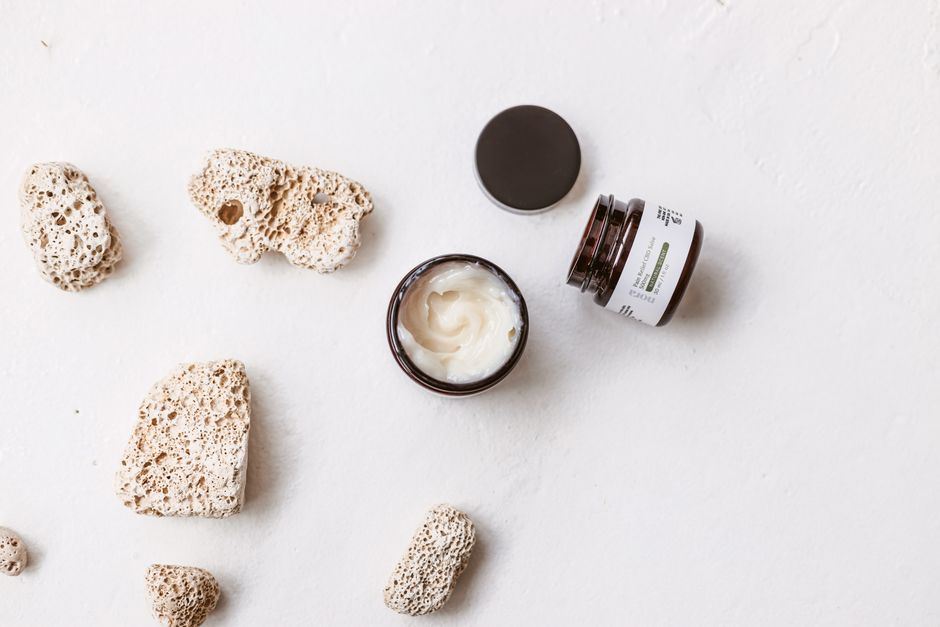
Making cream from milk at home is simpler than most people think. You only need whole milk and a little patience. The basic method involves separating the fat from fresh milk by letting it sit undisturbed, then skimming the thick cream off the top. This works because cream is simply the high-fat layer that naturally rises in unhomogenized milk. If you only have homogenized milk, you can still make a thicker cream by simmering it gently to reduce the water content, though the result is not exactly the same as raw cream.
What Is the Difference Between Cream and Milk?
Cream and milk are the same thing with different fat content. Whole milk contains about 3.5% fat. Heavy cream contains at least 36% fat. Light cream sits around 20% fat. That is the only real difference.
When you make cream from milk, you are either concentrating the fat that already exists or adding extra fat back in. The process is not magic. It is basic food science. Most store-bought milk in the United States is homogenized, which means the fat is broken into tiny particles and suspended evenly throughout the liquid. That is why cream does not separate on its own in a carton of grocery store milk. Unhomogenized milk, which you can find at some farms or specialty stores, will naturally separate into cream on top and skim milk below.
How To Make Cream Using Milk: Step By Step Method
The most reliable method for making cream from milk requires unhomogenized whole milk. If you have access to raw milk or non-homogenized milk, you are in luck. Pour the milk into a wide, shallow container and let it sit in the refrigerator for 12 to 24 hours. The fat globules will rise to the top and form a distinct layer.
After resting, use a spoon or ladle to gently skim the thick layer off the top. That layer is cream. It will have a fat content roughly between 18% and 30%, depending on the milk source. This is closest to light cream or single cream. It will not be as thick as store-bought heavy cream, but it is real cream.
If you only have homogenized milk, you can still make a cream-like product. Pour whole milk into a saucepan and heat it over low heat. Do not let it boil. Let it simmer gently until the volume reduces by about half. This evaporates water and concentrates the fat. The result is a thicker, richer liquid that resembles light cream. It is not true cream because the fat structure has changed, but it works for cooking and coffee.
| Method | Milk Type Needed | Time Required | Fat Content Result |
|---|---|---|---|
| Natural separation | Unhomogenized or raw milk | 12-24 hours | 18-30% |
| Simmering reduction | Any whole milk | 30-60 minutes | 10-15% |
| Butter and milk blending | Whole milk and butter | 5 minutes | Adjustable up to 36% |
Can You Make Heavy Cream From Milk and Butter?
Yes, and this is the most common method people use at home. You take one cup of whole milk and add melted unsalted butter. For heavy cream consistency, use about two-thirds cup of milk and one-third cup of melted butter. This gives you roughly a 35% fat mixture, which is close to commercial heavy cream.
Blend the milk and melted butter together using a whisk or immersion blender. The key is to emulsify the butter fat into the milk so it does not separate again. Blend for about 30 seconds until smooth. This works well for cooking, baking, and whipping, though the whipping will not hold as long as store-bought heavy cream because the fat structure is different.
Research published in the Journal of Dairy Science has shown that the stability of recombined cream depends heavily on the blending method. High-shear blending produces smaller fat globules and better emulsion stability. A simple whisk will work, but an immersion blender gives better results.




What Does Research Say About Making Cream at Home?
The science of cream separation is well understood. The USDA has published clear data on milk fat content and separation rates. Unhomogenized milk separates because fat is lighter than water. Fat globules rise according to Stokes’ law, which predicts how fast particles move through a liquid based on their size and density. Larger fat globules rise faster, which is why cream from Jersey or Guernsey cows is thicker — their milk has larger fat globules.
Some studies suggest that the temperature during separation matters. Cold milk separates more slowly because the fat is more solid. Room temperature milk separates faster but risks bacterial growth if left out too long. The CDC recommends keeping milk below 40°F during separation to prevent foodborne illness. A 12-hour rest in the refrigerator is the safest approach.
There is no clinical evidence that homemade cream is nutritionally superior to store-bought cream. The fat composition is identical if you use the same milk source. Some people report that raw milk cream tastes better, but taste is subjective and no controlled studies confirm a universal preference.
Common Mistakes When Making Cream From Milk
The biggest mistake is expecting homogenized milk to separate naturally. It will not. Homogenization is designed specifically to prevent separation. If you pour a carton of grocery store milk into a bowl and wait, you will get a thin layer of protein and sediment, not cream.
- Using low-fat or skim milk — there is not enough fat to make cream
- Heating milk too fast — high heat breaks the fat structure and creates a skin, not cream
- Skipping the rest time — cream needs hours to rise, not minutes
- Storing cream in a container that is too tall — a wide, shallow container allows fat to rise faster
Another common error is confusing the cream layer with the protein layer that forms on heated milk. When you heat milk, a skin forms on top. That skin is mostly protein, not fat. It is not cream. Real cream is smooth, thick, and yellow-tinted. The protein skin is rubbery and pale.
How To Store Homemade Cream
Homemade cream should be stored in an airtight container in the refrigerator. It will keep for 5 to 7 days, which is shorter than store-bought cream because it has not been pasteurized at high temperatures or treated with preservatives. If you used raw milk, the cream may last only 3 to 5 days.
Do not freeze homemade cream if you plan to whip it. Freezing damages the fat globules and the cream will not whip properly after thawing. It will still work for cooking and baking. If you need to freeze it, pour it into an ice cube tray and use the cubes for soups or sauces later. The USDA confirms that frozen cream is safe indefinitely but quality declines after 3 months.
Smell your cream before using it. Sour cream is fine if that is what you want. But if the cream smells rancid or has mold on the surface, throw it away. Homemade cream lacks the stabilizers that extend shelf life in commercial products.
What Are the Limits of Homemade Cream?
Homemade cream will never be exactly like commercial heavy cream. Commercial cream is standardized to a precise fat percentage, homogenized for smoothness, and often contains stabilizers like carrageenan or guar gum. These additives prevent separation and improve whipping performance.
Your homemade cream will separate again if left standing. That is normal. Just stir it back together before using. It will also whip to a softer peak and deflate faster than store-bought cream. If you need stiff peaks for a dessert, add a tablespoon of powdered sugar or a pinch of cream of tartar before whipping. This helps stabilize the foam.
As of 2026, there is no clinical evidence that homemade cream is healthier than store-bought cream. The calories and fat content are essentially the same if you start with the same milk. The advantage of homemade cream is control over ingredients and the satisfaction of making it yourself. The disadvantage is shorter shelf life and less predictable results.
Frequently Asked Questions
Can I make cream from 2% milk?
No, 2% milk does not have enough fat to make cream. You need whole milk at minimum, and even then the yield is low.
How long does homemade cream last in the fridge?
Homemade cream lasts 5 to 7 days in a sealed container. Raw milk cream lasts 3 to 5 days.
Can I whip homemade cream?
Yes, but it will not hold stiff peaks as long as commercial cream. Add powdered sugar or cream of tartar to help stabilize it.
Is homemade cream the same as heavy cream?
No, homemade cream usually has 18-30% fat. Heavy cream has at least 36% fat. They are not interchangeable in all recipes.
