
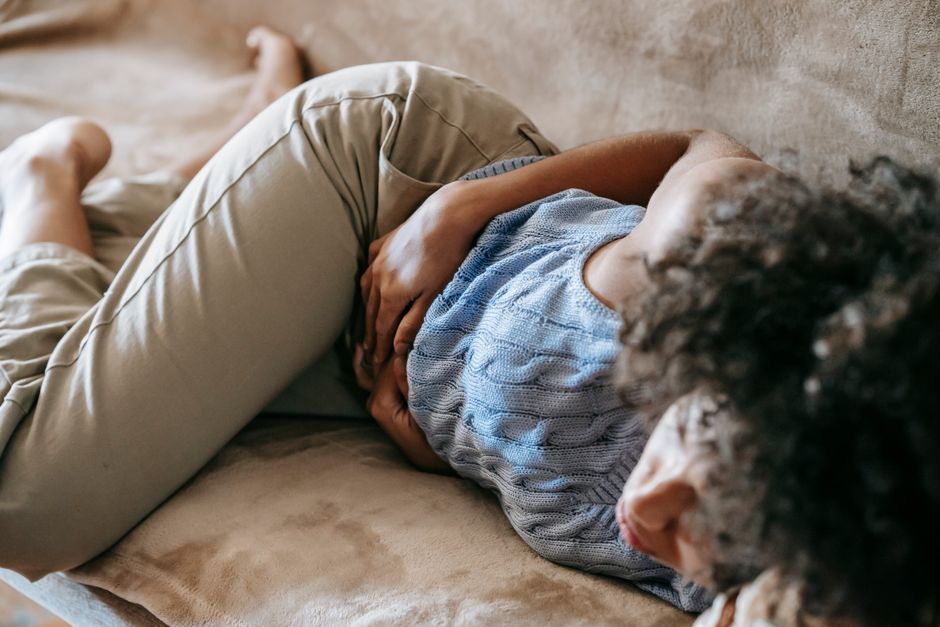
Menstrual cramps happen when the uterus contracts to shed its lining, and those contractions can briefly cut off blood flow to the muscle. That oxygen shortage is what produces the ache, pressure, and throbbing many people feel in the lower belly, back, and thighs. The methods below are the ones with real evidence behind them for making cramps less painful, ranked roughly from most proven to least.
How To Make Cramps Less Painful 8 Methods That Help
Heat and anti-inflammatory pain relievers have the strongest track records. Everything else on this list helps too, but usually as a supporting player rather than a solo act.
Here are the eight methods, with an honest look at what each one can and cannot do.
1. Heat
A heating pad, hot water bottle, or warm bath is one of the simplest and best-supported ways to ease cramps. Heat relaxes the uterine muscle and improves blood flow to the area.
Some studies have compared continuous low-level heat against ibuprofen for period pain and found the two roughly similar in effect. That does not mean heat replaces medication for everyone, but it does mean a heating pad is not just a comfort measure. It has a real physiological effect. Roughly 15 to 20 minutes at a time is a reasonable approach, and you can repeat as needed.
2. NSAIDs (Ibuprofen, Naproxen)
Nonsteroidal anti-inflammatory drugs are the most effective over-the-counter option for period cramps. They work by blocking prostaglandins, the hormone-like compounds that drive the uterine contractions in the first place. Since prostaglandins are the direct cause, attacking them tends to work better than treating the pain after the fact.
Ibuprofen and naproxen are the common choices. Taking them at the first sign of cramping, or even the day before your period is expected if your cycle is predictable, tends to work better than waiting until pain peaks. Follow the dosing on the package or your clinician’s instructions.
NSAIDs are not right for everyone. People with stomach ulcers, kidney problems, or certain heart conditions should talk to a clinician first. So should anyone taking blood thinners. This is a real caution, not a formality.
3. Movement and Light Exercise
It sounds counterintuitive to move when you hurt, but light activity can genuinely reduce cramp intensity. Exercise increases blood flow and triggers the release of endorphins, the body’s own pain-relieving chemicals.
Walking, gentle yoga, stretching, and swimming are reasonable options. You do not need a hard workout. In fact, pushing too hard during a bad cramp day can make things worse. The evidence for exercise and period pain is generally positive but not overwhelming, so treat it as a helpful addition rather than a standalone fix.
4. TENS Units
A TENS unit sends small electrical pulses through pads placed on the skin. The idea is that these pulses interfere with pain signals traveling to the brain. Some research supports TENS for period pain, though study quality varies and results are not uniform.
You can buy TENS units without a prescription in the US. They are generally considered low-risk for most healthy people, but should not be used by anyone with a pacemaker or certain heart conditions. If you are unsure whether one is appropriate for you, ask a clinician.
5. Magnesium and Other Supplements
Magnesium is one of the more studied supplements for period pain. Some trials have found modest reductions in cramp severity with regular magnesium supplementation, though the evidence is not as strong as it is for NSAIDs or heat.
Vitamin B1 (thiamine) and vitamin E have also been studied, with mixed results. If you want to try magnesium, a typical supplemental dose is around 200 to 400 mg per day, but check with a clinician first, especially if you have kidney problems or take other medications. High doses of magnesium can cause digestive upset and, rarely, more serious issues.
Be cautious with supplement marketing. Many products sold for “hormonal balance” or “period support” have no human trials behind them at all.
6. Dietary Changes
What you eat does not cause or cure cramps, but some dietary patterns may influence how intense they feel. Diets high in omega-3 fatty acids, found in fish like salmon and sardines, have been linked in some studies to less severe menstrual pain. Reducing trans fats and added sugar may also help, though the evidence here is weaker and more observational than experimental.
Staying well hydrated matters too. Dehydration can make muscle cramps of all kinds worse, including uterine ones.
7. Stress Reduction and Sleep
Stress and poor sleep do not cause menstrual cramps, but they can lower your pain threshold and make existing cramps feel worse. This is well established in pain research generally, not just for period pain.
Simple steps help: consistent sleep and wake times, deep breathing, and short periods of quiet rest. None of these will stop a cramp in its tracks, but they can change how much it bothers you over the course of a day.
8. Hormonal Birth Control
This is the most effective option for people whose cramps are severe and not well controlled by other methods. Combined hormonal contraceptives (pills, patches, rings) and hormonal IUDs can reduce or even eliminate menstrual cramps by thinning the uterine lining and lowering prostaglandin production.
This is a prescription decision, not a self-care one. It also comes with its own risks and side effects that vary by person and by method. If cramps are regularly interfering with work, school, or sleep, this is worth discussing with a clinician.
When Should You See a Doctor About Cramps?
Most menstrual cramps are normal and manageable. But some patterns suggest something else is going on and deserve a medical evaluation.
- Cramps that do not improve with NSAIDs or heat
- Pain that gets worse over time rather than staying stable
- Pain that starts earlier in the cycle or lasts longer than usual
- Pain during sex, bowel movements, or urination
- Heavy bleeding, clotting, or bleeding between periods
- Fever, unusual discharge, or sudden severe pain
These symptoms can point to conditions like endometriosis, fibroids, or adenomyosis. None of these can be diagnosed from symptoms alone. If you have any of them, see a clinician. Getting evaluated is not overreacting.
Do Home Remedies for Cramps Actually Work?
Some do, and some do not. Heat, NSAIDs, light exercise, and TENS have at least some research support. Others, like drinking specific herbal teas or taking certain “hormone-balancing” blends, are widely marketed but have little or no human trial evidence behind them.
That does not mean every unstudied remedy is useless. It means we do not know. And “we do not know” is different from “it works.”
If you want to try something unproven, that is your call. Just do not skip the methods with actual evidence in favor of something with a nicer label.



Can You Prevent Cramps Before They Start?
Sometimes. If your cycle is predictable, starting an NSAID a day before your period is expected can blunt the prostaglandin surge before it builds. This approach is sometimes called preemptive dosing, and it tends to work better than waiting for pain to peak.
Regular exercise, consistent sleep, and a diet rich in omega-3s may also reduce cramp severity over time, though the evidence for each is moderate rather than strong. Hormonal birth control is the most reliable preventive option for people with severe recurrent cramps.
There is no method that prevents cramps for everyone. Menstrual pain varies widely, and what works well for one person may do little for another.
What Makes Cramps Worse?
Some things reliably make cramps feel worse, and avoiding them can help.
- Skipping meals or getting dehydrated
- High stress and poor sleep
- Smoking, which is linked to more severe menstrual pain in several studies
- Waiting too long to treat pain once it starts
- Pushing through intense exercise on a bad day
None of these cause cramps on their own. They just make an already uncomfortable situation harder on your body.
Frequently Asked Questions
What is the fastest way to relieve menstrual cramps?
Heat and an NSAID like ibuprofen are the fastest options with strong evidence behind them. Using both at once tends to work better than either alone.
Do heating pads really help period cramps?
Yes. Some studies have found continuous low-level heat roughly as effective as ibuprofen for period pain. Heat relaxes the uterine muscle and improves blood flow.
How much magnesium should I take for cramps?
A typical supplemental dose studied for period pain is around 200 to 400 mg per day. Check with a clinician first, especially if you have kidney problems or take other medications.
When should I worry about severe menstrual cramps?
See a clinician if cramps do not improve with NSAIDs or heat, get worse over time, or come with heavy bleeding, pain during sex, or fever. These can signal conditions like endometriosis or fibroids that need evaluation.
