
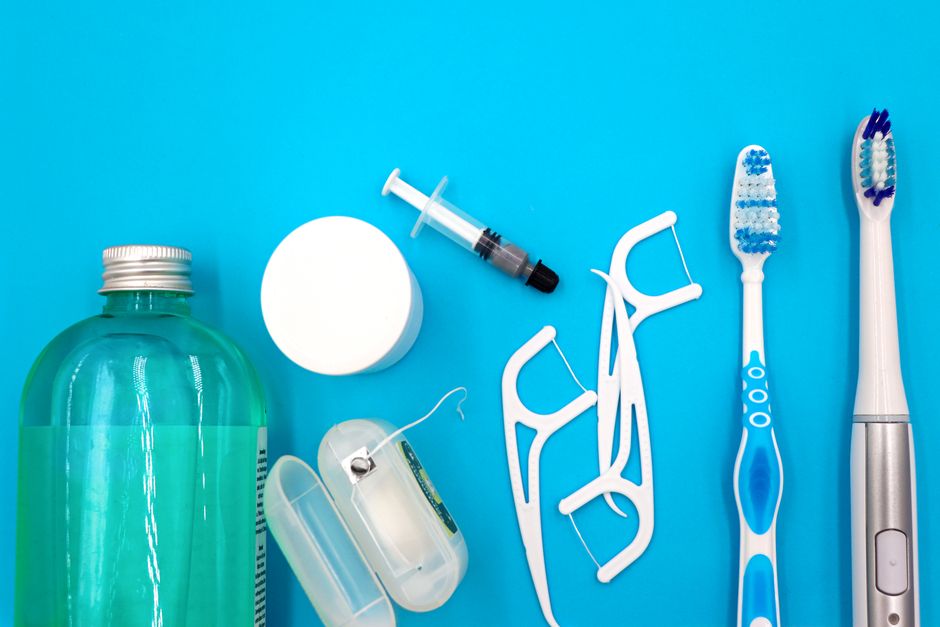
Making colloidal silver mouthwash at home involves mixing a few drops of store-bought colloidal silver with water. But the bigger question is whether you should. Colloidal silver is a suspension of tiny silver particles in liquid. Some people use it as a mouthwash for gum health or sore throats. The risks, however, are real and include a permanent blue-gray skin condition called argyria. As of 2026, no major health organization recommends making or using colloidal silver mouthwash at home. This article explains how people make it, what the evidence actually says, and why the risks likely outweigh any benefits.
How Do You Make Colloidal Silver Mouthwash at Home?
The basic recipe is simple. Most people start with a store-bought colloidal silver solution, usually 10 to 30 parts per million (ppm). They mix about one tablespoon of that solution into a small glass of warm water. Some recipes suggest using distilled water to avoid contaminants from tap water.
You swish the mixture in your mouth for 30 to 60 seconds, then spit it out. Do not swallow it. Swallowing colloidal silver increases the risk of silver building up in your body tissues over time. Some people repeat this once or twice daily for a few days, then stop.
Do not try to make colloidal silver from scratch using metal wires and a battery. That is a dangerous DIY trend that can produce unstable particles and uneven silver concentration. Commercial products are at least tested for particle size and purity. Homemade versions are not.
What Does Research Say About Colloidal Silver Mouthwash?
Research on colloidal silver as a mouthwash is thin. Most studies on silver focus on wound dressings or medical devices, not oral rinses. Silver does have antibacterial properties in lab settings. It can kill certain bacteria on contact, including some strains linked to gum disease.
But there is a gap between lab results and real-world use. No large clinical trials have tested colloidal silver mouthwash for gingivitis, bad breath, or oral infections. The studies that exist are small, old, or done on animals. One 2015 study in the Journal of Clinical and Diagnostic Research found that a silver nanoparticle mouthwash reduced plaque in humans, but the sample size was only 30 people. That is not enough to draw firm conclusions.
Current research suggests that while silver can kill bacteria, it does not discriminate between harmful and helpful bacteria in your mouth. A healthy mouth needs a balanced microbiome. Killing everything with silver might cause more problems than it solves.
What Are the Known Risks of Colloidal Silver Mouthwash?
The most serious risk is argyria. This is a permanent blue-gray discoloration of the skin that happens when silver particles build up in your body. It does not go away. It is not dangerous to your organs, but it is disfiguring and irreversible.
Argyria usually happens from swallowing colloidal silver over months or years. But even mouthwash can contribute if you swallow small amounts regularly. The silver accumulates slowly. You may not notice it until the discoloration is obvious.
Other risks include:
- Interference with antibiotics. Silver can bind to certain drugs and make them less effective.
- Kidney damage in people with existing kidney problems. Silver is processed through the kidneys.
- Unknown long-term effects from inhaling silver particles if you use a spray or aerosol.
- No FDA approval for any oral use. The U.S. Food and Drug Administration has warned against colloidal silver for any internal use since 1999.
Some people report temporary relief from sore throats or mouth ulcers after using colloidal silver mouthwash. But this is anecdotal. Strong evidence is limited. The relief could come from the water or the act of rinsing, not the silver itself.


How Does Colloidal Silver Compare to Standard Mouthwash?
Standard mouthwashes like those with chlorhexidine or cetylpyridinium chloride have decades of safety data behind them. Dentists recommend them for specific conditions. Colloidal silver mouthwash has no such track record.
| Mouthwash Type | Evidence for Gum Health | Known Side Effects | FDA Status |
|---|---|---|---|
| Chlorhexidine (prescription) | Strong. Dozens of clinical trials support its use. | Staining, taste changes, rare allergic reaction. | Approved for prescription use. |
| Cetylpyridinium chloride (over-the-counter) | Moderate. Some evidence for plaque reduction. | Mild staining, rare irritation. | Approved for OTC use. |
| Colloidal silver | Weak. Very few human studies. No large trials. | Argyria, drug interactions, unknown long-term risks. | Not approved for any oral use. |
| Salt water rinse | Moderate. Good for short-term sore throat relief. | None significant. | No regulation needed. |
The table shows that colloidal silver is the least studied option. Salt water is safer and cheaper. Chlorhexidine is the most effective for serious gum problems. Colloidal silver falls in between with no clear advantage and real risks.
What Are Common Misconceptions About Colloidal Silver?
A widespread belief is that colloidal silver boosts your immune system. This is not supported by evidence. Silver does not stimulate immune cells. It is not a vitamin or mineral your body needs. The idea comes from marketing, not science.
Another myth is that colloidal silver can cure infections that antibiotics cannot. Some people call it a “natural antibiotic.” While silver can kill bacteria in a petri dish, your body is not a petri dish. The way silver behaves in a living system is complex and poorly understood. Claiming it works like an antibiotic is misleading.
Some people also think that higher ppm means stronger and better. That is not true. Higher concentrations of silver particles do not necessarily kill more bacteria. They just increase the risk of silver buildup in your body. The FDA has stated that there is no evidence that any concentration of colloidal silver is safe or effective for internal use.
A third misconception is that colloidal silver mouthwash is safe because you spit it out. But small amounts are always swallowed. Over time, that adds up. The risk of argyria depends on total silver exposure, not just whether you swallow it intentionally.
What Should You Use Instead of Colloidal Silver Mouthwash?
If you are dealing with gum pain, a sore throat, or mouth ulcers, there are safer options with more evidence behind them. Salt water rinses are the simplest. Mix half a teaspoon of salt in a cup of warm water and swish. This reduces inflammation and can help soothe irritated tissues.
For gum disease, chlorhexidine mouthwash is the gold standard. It requires a prescription in many countries, including the United States. Your dentist can decide if it is right for your situation. For everyday freshness, over-the-counter mouthwashes with fluoride or essential oils are well-tested and safe.
If you are interested in natural alternatives, consider aloe vera mouthwash or tea tree oil diluted in water. Both have some evidence for reducing plaque and gum inflammation. But even these should be used carefully and not swallowed. Always check with a dentist or doctor before starting any new oral care routine.
The bottom line is simple. Colloidal silver mouthwash is easy to make but hard to justify. The risks are real. The benefits are unproven. Safer, more effective options exist and are backed by decades of research.
Frequently Asked Questions
Is it safe to swallow colloidal silver mouthwash?
No. Swallowing colloidal silver increases the risk of argyria, a permanent blue-gray skin discoloration. Even small amounts swallowed over time can build up in your body.
Can colloidal silver mouthwash cure gum disease?
There is no strong evidence that colloidal silver mouthwash cures gum disease. Standard treatments like chlorhexidine mouthwash and professional dental cleanings are much more effective.
How long can you use colloidal silver mouthwash safely?
No safe duration has been established. Health experts recommend avoiding it entirely because the risks of long-term silver buildup are not well understood.
Does colloidal silver mouthwash kill bad breath bacteria?
Silver can kill bacteria in a lab, but there is no reliable evidence that colloidal silver mouthwash reduces bad breath better than standard mouthwash or salt water.
