
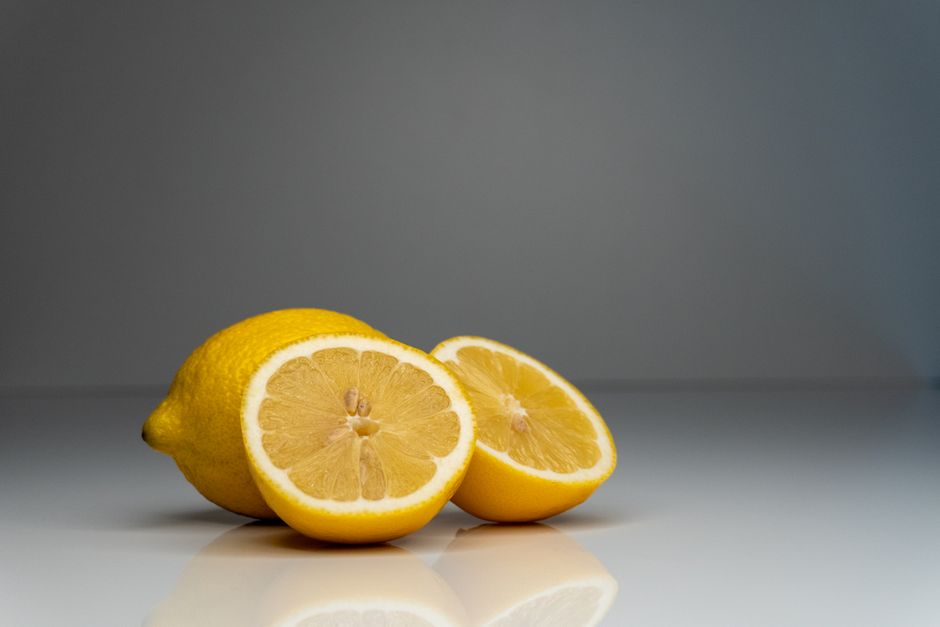
Citric acid can be made two ways: by fermenting sugar with the mold Aspergillus niger, or by extracting it from citrus fruit. Fermentation is how almost all commercial citric acid is produced today. Lemon extraction is the older method, and it is still used for small-batch or specialty products. The two processes differ in raw materials, equipment, time, and purity of the final product.
How To Make Citric Acid Fermentation Vs Lemon Extraction?
Fermentation uses a microorganism to convert sugar into citric acid. Extraction uses physical and chemical steps to pull citric acid out of lemon juice or peel. Fermentation produces far more citric acid per unit of raw material and is cheaper at scale. Extraction produces a smaller yield and is limited by how much fruit you have.
The core difference is biological versus mechanical. In fermentation, Aspergillus niger does the work. The mold consumes sugar and releases citric acid as a byproduct of its metabolism. In extraction, the citric acid already exists in the lemon. You are separating it from water, sugar, and other compounds.
Commercial citric acid is almost entirely fermentation-derived. The method was developed in the early 20th century and replaced citrus extraction as the dominant industrial process. Today, fermentation accounts for the vast majority of global citric acid production.
How Does Citric Acid Fermentation Work?
Fermentation relies on Aspergillus niger, a common mold found on decaying fruit and vegetables. Under specific conditions, this mold produces and excretes large amounts of citric acid. The process is well studied and used industrially worldwide.
The basic steps are:
- Prepare a sugar-rich medium, often from glucose, sucrose, or molasses.
- Add a culture of Aspergillus niger.
- Maintain controlled temperature, pH, and oxygen levels.
- Allow fermentation to proceed for several days.
- Separate the citric acid from the fermentation broth.
- Purify and crystallize the final product.
The mold needs oxygen, so industrial fermentation uses aerated tanks. It also needs a low pH to favor citric acid production over other byproducts. The exact conditions are tightly controlled because small changes affect yield.
Industrial fermentation typically takes several days to complete. The citric acid is then recovered from the broth through precipitation, filtration, and purification steps. The final product is a white crystalline powder.
What Are the Advantages of Fermentation?
Fermentation produces a high yield from inexpensive raw materials. Sugar and molasses are cheap and widely available. The process can run continuously at large scale. It does not depend on seasonal fruit harvests.
The purity of fermentation-derived citric acid is high. Industrial processes can achieve consistent quality batch after batch. This is one reason it dominates the market.
How Does Lemon Extraction Work?
Lemon extraction recovers citric acid that already exists in the fruit. Lemon juice contains citric acid naturally, typically around 5 to 8 percent by weight in fresh juice. The extraction process concentrates and isolates it.
The basic steps are:
- Juice or process lemons to obtain juice or peel.
- Filter the liquid to remove solids.
- Concentrate the juice by heating or evaporation.
- Precipitate citric acid as calcium citrate using calcium hydroxide or calcium carbonate.
- Convert calcium citrate back to citric acid using sulfuric acid.
- Filter, crystallize, and dry the product.
This method produces a smaller yield relative to the amount of fruit used. It also requires more energy and labor per unit of citric acid. That is why it is not the dominant commercial method.
Some small-scale producers and specialty food companies use lemon extraction for a “natural” or “fruit-derived” label. The citric acid is chemically identical to fermentation-derived citric acid once purified.
What Is the Difference in Yield and Cost?
Fermentation yields far more citric acid per unit of raw material. A fermentation tank can produce citric acid continuously from cheap sugar. Lemon extraction is limited by the citric acid content of the fruit and the cost of lemons.
Cost per kilogram of citric acid is much lower for fermentation. This is the main reason the industry shifted to fermentation in the 20th century. Lemon extraction cannot compete economically at large scale.
Labor and energy costs are also higher for extraction. Heating, precipitation, and purification steps add expense. Fermentation uses simpler inputs but requires careful process control.
Is Fermentation-Derived Citric Acid Safe?
Fermentation-derived citric acid is generally recognized as safe by food regulatory agencies when produced under proper conditions. It is the same chemical compound as citric acid from lemons. The body handles both identically.
The Aspergillus niger mold used in fermentation is not present in the final purified product. Purification steps remove the mold and fermentation residues. The final citric acid is a pure crystalline compound.
People with mold allergies sometimes worry about fermentation-derived citric acid. There is no evidence that purified citric acid from fermentation contains mold allergens. The purification process removes them. That said, anyone with a known allergy should discuss concerns with a clinician.
Can You Make Citric Acid at Home?
Home fermentation of citric acid is possible in principle but difficult to do safely and reliably. It requires a pure culture of Aspergillus niger, controlled temperature, and careful pH management. Contamination is a real risk.
Home extraction from lemons is simpler but produces low yields. You can concentrate lemon juice and use it in recipes, but isolating pure citric acid crystals at home is not practical. The chemical steps involve strong acids and require safety precautions.
For most home cooks, buying citric acid is safer and cheaper than making it. It is widely available in grocery stores and online. No clinical guidelines address home citric acid production, and the safety risks of improper fermentation are real.
Which Method Produces Better Quality?
Both methods can produce high-purity citric acid. The final chemical is identical regardless of source. Purity depends on the purification process, not the source material.
Fermentation-derived citric acid is typically more consistent because the process is tightly controlled. Lemon-derived citric acid may carry trace flavors or colors if purification is incomplete. Commercial products are purified to meet food-grade standards.
Some consumers prefer lemon-derived citric acid for perceived “naturalness.” The chemical structure is the same. There is no evidence that one is safer or more effective than the other when both meet food-grade standards.
| Factor | Fermentation | Lemon Extraction |
|---|---|---|
| Raw material | Sugar, molasses | Lemons |
| Time | Several days | Hours to days |
| Yield | High | Low |
| Cost | Low | High |
| Scale | Industrial | Small to medium |
| Purity | High, consistent | Variable |
What Are the Main Uses of Citric Acid?
Citric acid is used as a food preservative, flavoring, and pH adjuster. It appears in soft drinks, candies, canned goods, and many processed foods. It is also used in cleaning products and cosmetics.
In food, citric acid adds tartness and helps preserve freshness. It chelates metal ions, which helps prevent spoilage. In cleaning products, it works as a descaler and rust remover.
Fermentation-derived citric acid dominates these markets because of cost and availability. Lemon-derived citric acid is a niche product used mainly where a fruit-derived label matters.
Frequently Asked Questions
Is fermentation-derived citric acid the same as lemon-derived citric acid?
Yes, the chemical compound is identical once purified. The source differs, but the final molecule is the same.
Can I make citric acid at home from lemons?
You can concentrate lemon juice at home, but isolating pure citric acid crystals requires chemical steps and safety precautions that are not practical for most home cooks.
Is citric acid from fermentation safe for people with mold allergies?
Purified citric acid from fermentation does not contain mold allergens because purification removes them. Anyone with a known allergy should discuss concerns with a clinician.
Why is most citric acid made by fermentation?
Fermentation produces a much higher yield at lower cost than lemon extraction. That is why it dominates commercial production worldwide.
