
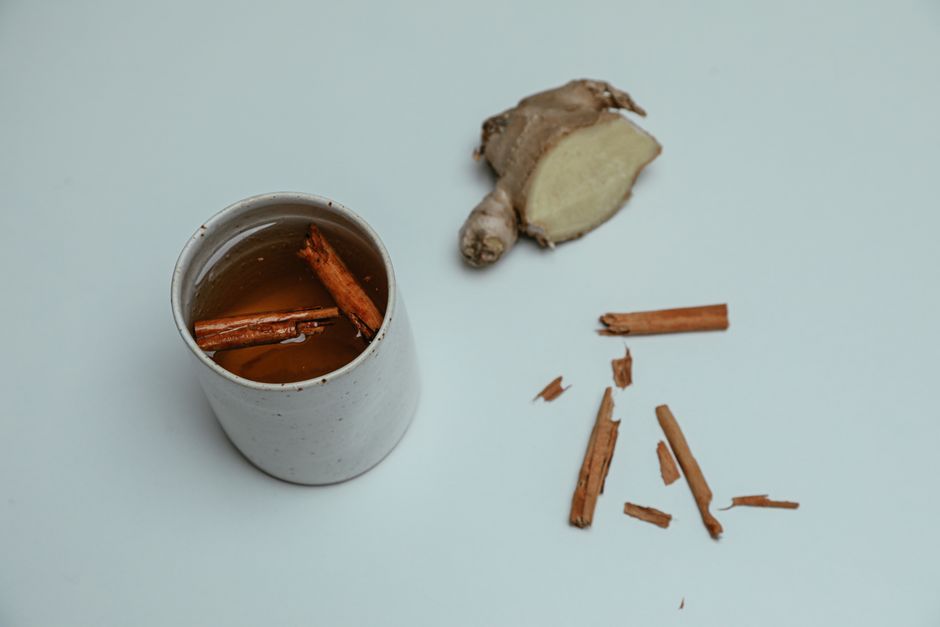
Cinnamon water is made by steeping cinnamon sticks or powder in hot water, then straining it. The result is a lightly flavored drink that people use as a low-calorie alternative to sugary beverages. Some also apply it to the skin as a toner. There is no clinical evidence that drinking or applying cinnamon water makes skin glow.
How To Make Cinnamon Water For Glowing Skin
There are two common methods. One is for drinking. The other is for applying to the skin. They are not the same thing, and the safety considerations differ.
The drinking version
Add one cinnamon stick or about half a teaspoon of ground cinnamon to two cups of hot water. Let it steep for 10 to 15 minutes. Strain out the solids. Drink it warm or chill it.
That is the whole process. No special equipment. No expensive ingredients.
The skin application version
Brew a weaker batch — one stick in three to four cups of water. Let it cool completely. Apply with a cotton pad after cleansing. Rinse it off after a few minutes if your skin is sensitive.
This is where caution matters. Cinnamon contains compounds that can irritate skin, especially on the face. More on that below.
What Does Cinnamon Water Actually Do?
Cinnamon water is mostly water. The amount of cinnamon compounds that transfer into the water during steeping is small. This matters because most research on cinnamon uses concentrated extracts or powders in capsule form — not a steeped drink.
What cinnamon water does provide:
- Hydration, which supports skin elasticity and appearance
- A flavorful alternative to soda and sweetened drinks
- Very few calories
- Small amounts of cinnamon-derived compounds, mainly cinnamaldehyde and polyphenols
None of these directly cause glowing skin. Hydration helps skin look less dull. Cutting sugary drinks may reduce glycation — a process where excess sugar binds to collagen and makes it stiffer. That is a real mechanism, but it works over months and years, not days.
Some studies suggest cinnamon has antioxidant and anti-inflammatory properties in laboratory settings. Whether those effects carry over to a steeped drink in the human body is not established. The dose is simply too low to compare with the extracts used in research.
Does Cinnamon Water Help Skin Glow?
No clinical trials have tested cinnamon water for skin glow. That is the honest position.
What we do know is that skin appearance depends on several well-established factors:
- Sun exposure — the single biggest driver of visible skin aging
- Sleep quality
- Hydration status
- Overall diet, particularly adequate protein, vitamin C, and healthy fats
- Smoking and alcohol use
- Genetics
A drink made from cinnamon and water does not change any of these. It can be part of a healthy routine, but it is not the reason skin looks better. If someone drinks more water because cinnamon makes it taste better, that could help. The benefit comes from the water, not the cinnamon.
This is worth stating plainly because the internet is full of claims that cinnamon “boosts collagen” or “detoxifies skin.” No human study supports those claims. Collagen production requires vitamin C, amino acids, and copper as cofactors. Cinnamon does not supply meaningful amounts of any of them.





Can You Apply Cinnamon Water Directly To Your Skin?
You can, but it carries real risk of irritation. Cinnamon contains cinnamaldehyde, a compound that commonly triggers contact dermatitis. Research in dermatology journals has documented allergic reactions to cinnamon in foods, fragrances, and topical products.
Symptoms of a reaction include:
- Redness
- Burning or stinging
- Itching
- Dryness or peeling
- In severe cases, blistering
The face is more vulnerable than other areas because the skin is thinner and more permeable. If you want to try it, dilute it heavily and patch-test on your inner forearm first. Wait 24 hours. If there is no reaction, you can try a small area of your face.
People with eczema, rosacea, or sensitive skin should skip it. So should anyone who has reacted to cinnamon before.
Some clinicians suggest that cinnamon’s antimicrobial properties could help with acne. That reasoning comes from lab studies, not clinical trials on human skin. It is not an established treatment.
Does Drinking Cinnamon Water Have Health Benefits?
Some research has looked at cinnamon and blood sugar. A 2013 review published in the Annals of Family Medicine analyzed several trials and found that cinnamon may have a modest effect on fasting glucose in people with type 2 diabetes. The results varied across studies, and the doses used were higher than what you would get from a steeped drink.
Other areas of research include cholesterol and inflammation. The evidence there is mixed. Some studies show small effects. Others show none.
What is not in question: cinnamon water is not a treatment for diabetes, high cholesterol, or any skin condition. It is a beverage. Anyone managing a health condition should follow their clinician’s guidance, not internet claims about cinnamon.
How Much Cinnamon Is Safe?
There is a real safety concern with cinnamon that most articles skip: coumarin.
Cassia cinnamon — the type sold in most US grocery stores — contains coumarin, a compound that can harm the liver in high doses over time. The European Food Safety Authority set a tolerable daily intake of 0.1 milligrams of coumarin per kilogram of body weight. For a 150-pound adult, that is about 6.8 milligrams per day.
Cassia cinnamon contains roughly 2 to 4 milligrams of coumarin per gram of powder. That means one teaspoon of cassia powder could contain enough coumarin to exceed the daily limit for some people.
Ceylon cinnamon, sometimes called “true cinnamon,” contains much less coumarin. It costs more and is harder to find, but it is the safer choice for regular use.
For occasional cinnamon water, the risk is low. For daily use over months, it is worth knowing which type you are using.
People with liver conditions, pregnant women, and anyone taking medications that affect the liver should talk to their doctor before using cinnamon regularly. No clinical guidelines exist for cinnamon water consumption during pregnancy or breastfeeding.
What Actually Helps Skin Look Better?
If the goal is healthier-looking skin, the evidence points to a few things consistently:
- Sun protection. Daily sunscreen with SPF 30 or higher prevents the UV damage that causes most visible aging.
- Sleep. Skin repair happens during sleep. Chronic sleep loss shows up on the face.
- Hydration. Drinking enough water supports skin turgor and helps skin look less tired.
- Not smoking. Smoking narrows blood vessels and reduces oxygen delivery to skin.
- A balanced diet. Vitamin C, zinc, and adequate protein support collagen and skin repair.
- Gentle skincare. Cleansing, moisturizing, and not over-exfoliating.
Cinnamon water can fit into this picture as a pleasant drink. It does not replace any of it.
Frequently Asked Questions
How long does it take for cinnamon water to clear skin?
There is no evidence that cinnamon water clears skin at any timeline. Skin changes from diet and hydration typically take weeks to months, and no studies have measured cinnamon water specifically.
Can I drink cinnamon water every day?
Occasional daily use is generally considered low risk, but cassia cinnamon contains coumarin, which can affect the liver in high amounts over time. If you drink it daily, Ceylon cinnamon is the safer choice.
Is cinnamon water safe for sensitive skin?
No. Cinnamon is a known skin irritant and can trigger contact dermatitis, especially on the face. People with sensitive skin, eczema, or rosacea should avoid applying it topically.
Does cinnamon water help with acne?
No clinical trials support cinnamon water as an acne treatment. Lab studies suggest cinnamon has antimicrobial properties, but that does not mean it works on human skin.
