
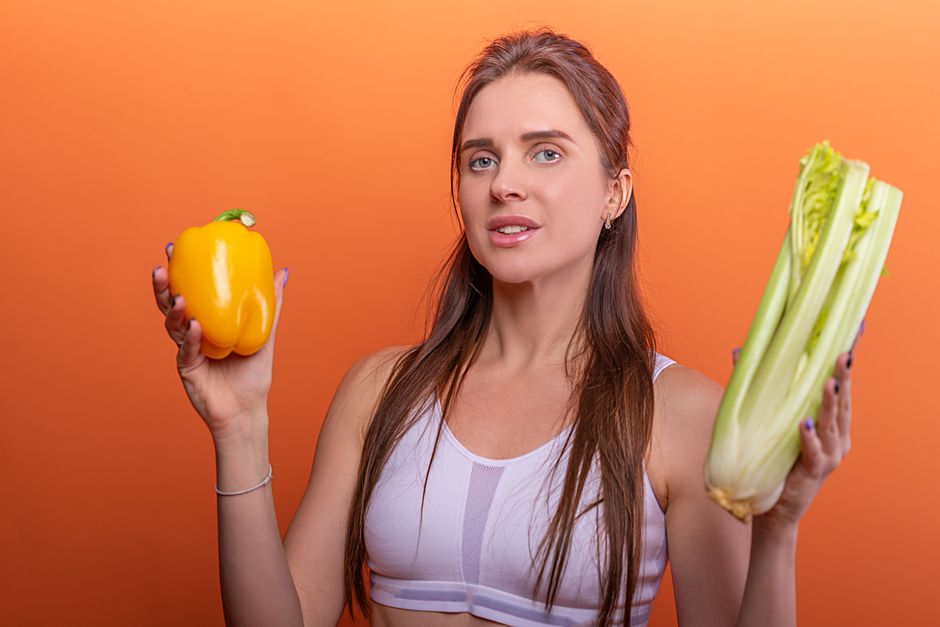
Celery tea is made by steeping either celery seeds or chopped fresh celery stalks in hot water. The two versions are not the same drink. Seed tea is far more concentrated and is traditionally used in small amounts, while stalk tea is mild and roughly comparable to vegetable broth. Celery contains compounds that have drawn research interest, but no human trials show that celery tea treats any disease.
Celery is a common food and generally recognized as safe to eat. That is a different question from whether concentrated celery preparations are safe in large amounts or during pregnancy. This article covers how each type of tea is made, what the evidence does and does not show, and who should be cautious.
How Do You Make Celery Tea From Seeds?
Celery seed tea is a strong infusion made from the small brown seeds of the celery plant. The seeds carry a much higher concentration of the plant’s aromatic oils than the stalks do, which is why traditional use treats them more like a spice or a medicine than a vegetable.
A common approach is to lightly crush about a quarter to half teaspoon of celery seeds, pour hot water over them, and let them steep covered for several minutes before straining. Crushing helps release the oils. A lid keeps the aromatic compounds from escaping with the steam.
One point that often gets lost: celery seed is sold as a spice, a tea ingredient, and a concentrated supplement extract. Those are very different doses. A pinch in tea is not the same as a capsule of standardized extract, and the safety data for high-dose extracts is far thinner than for culinary use.
How Do You Make Celery Tea From Fresh Stalks?
Fresh stalk tea is simple. Chop a few stalks and their leaves, add them to hot but not boiling water, and steep for several minutes. Strain and drink. Some people simmer the stalks gently for a stronger flavor, though longer heat tends to dull the fresh taste.
The leaves are worth using. They carry more of the aromatic flavor compounds than the stalks, and they are the part most often thrown away. A squeeze of lemon or a slice of fresh ginger can offset celery’s slightly bitter edge.
Expect a light, savory, vegetal drink. It will not taste like the seed tea, and it will not be as concentrated. Treat it as a warm vegetable infusion rather than a therapeutic brew.
Celery Seeds vs Fresh Stalks: What Is the Difference?
The main difference is concentration. Celery seeds contain the plant’s volatile oils in a far more concentrated form than the stalks. That is why culinary and traditional use of the seeds is measured in small spoonfuls, while stalks are eaten freely as a vegetable.
| Feature | Celery Seed Tea | Fresh Stalk Tea |
|---|---|---|
| Source | Dried celery seeds | Chopped stalks and leaves |
| Typical amount | Small — around ¼ to ½ teaspoon per cup | A few stalks per cup |
| Flavor | Strong, warm, slightly bitter | Mild, vegetal, savory |
| Concentration of plant oils | High | Low |
| Traditional use | Small amounts, occasionally | General warm drink |
| Safety data | Limited for concentrated or frequent use | Comparable to eating celery |
The practical takeaway: do not swap one for the other at the same volume. A tablespoon of seeds is not equivalent to a tablespoon of chopped stalk.
What Does the Evidence Say About Celery Tea and Health?
Celery contains compounds that researchers have studied in laboratory and animal settings, including substances called phthalides and flavonoids. Some of this work has looked at blood pressure and inflammation. But laboratory findings and animal studies are not the same as proven benefits in people.
No well-controlled human trials have shown that drinking celery tea lowers blood pressure, reduces inflammation, or treats any medical condition. The evidence is early and largely indirect. Anyone who needs to manage blood pressure should rely on approaches with established evidence and the guidance of their clinician, not on a tea.
One clarification that gets overlooked: celery is often described as a “negative calorie” food, meaning the body supposedly burns more energy digesting it than it provides. That claim is not supported by evidence. Celery is low in calories, but the net-negative effect is a myth.
Celery tea is also sometimes marketed as a detox or cleanse. The human body clears waste through the liver and kidneys without help from a specific tea. No clinical evidence confirms that celery tea removes toxins.
Is Celery Tea Safe for Everyone?
Celery tea is generally considered safe in typical food amounts for most adults. The cautions that matter involve concentrated seed preparations, specific medical conditions, and pregnancy.
- Pregnancy and breastfeeding: Concentrated celery seed preparations, including medicinal amounts and seed extracts, are generally advised against during pregnancy. Culinary use of celery as a vegetable is a different matter. Anyone pregnant or breastfeeding should check with their clinician before using seed-based teas or supplements.
- Celery allergy: Celery is a recognized allergen, and reactions can occur in people with a known celery allergy, including those with related pollen allergies. Avoid it if you react to celery.
- Kidney stones: Celery contains oxalates, compounds that can contribute to certain kidney stones in susceptible people. Large or frequent intake may be a concern for those with a history of oxalate stones.
- Blood thinners and surgery: Celery seed has been reported to have possible effects on blood clotting. People taking anticoagulant medication or preparing for surgery should be cautious with concentrated seed products and ask their clinician.
- Children: No clinical guidelines exist for giving concentrated celery seed tea to children. Keep it to normal food use.
If you take prescription medication or have a chronic condition, treat concentrated seed preparations as something to discuss with a clinician rather than a casual daily habit.
How Much Celery Tea Is Reasonable to Drink?
There is no official recommended serving of celery tea, because it is a traditional preparation rather than a regulated product. For seed tea, the sensible approach is to stay within the small culinary range and treat it as an occasional drink rather than a daily therapeutic dose.
Stalk tea is closer to eating the vegetable, so a cup or two is broadly comparable to a serving of celery in food terms. That said, no established guideline sets a safe upper limit for daily celery tea, and the evidence for concentrated seed use over time is limited.
More is not better here. The compounds that make seed tea potent are the same ones behind its cautions.
Common Mistakes When Making Celery Tea
The most common mistake is using seed and stalk interchangeably at the same quantity. Seed tea is far stronger, and a heaped spoonful can be overpowering and unnecessary.
Another is boiling the seeds hard for a long time. That drives off the aromatic oils that give the tea its character. A gentle steep with a lid preserves more of them.
People also sometimes expect a cleanse or a blood pressure fix from a mild drink. Neither is supported by clinical evidence. If you enjoy the taste, drink it for that reason, and keep health expectations realistic.
Finally, buying concentrated celery seed extract and treating it like tea is a step up in dose and a step down in safety data. Keep the two separate.
Frequently Asked Questions
Can I make celery tea from the leaves as well as the stalks?
Yes. Celery leaves can be steeped along with the stalks and often carry more flavor. Use them fresh and rinse them first.
Is celery seed tea the same as celery stalk tea?
No. Seed tea is much more concentrated than stalk tea, which is why seed amounts are measured in small spoonfuls. Do not substitute one for the other at the same volume.
Can I drink celery tea while pregnant?
Culinary use of celery as a vegetable is generally fine, but concentrated celery seed preparations are generally advised against during pregnancy. Check with your clinician before using seed-based teas or supplements.
Does celery tea lower blood pressure?
No well-controlled human trials have shown that celery tea lowers blood pressure. Some laboratory and animal research has looked at celery compounds, but that is not proof of benefit in people.
