
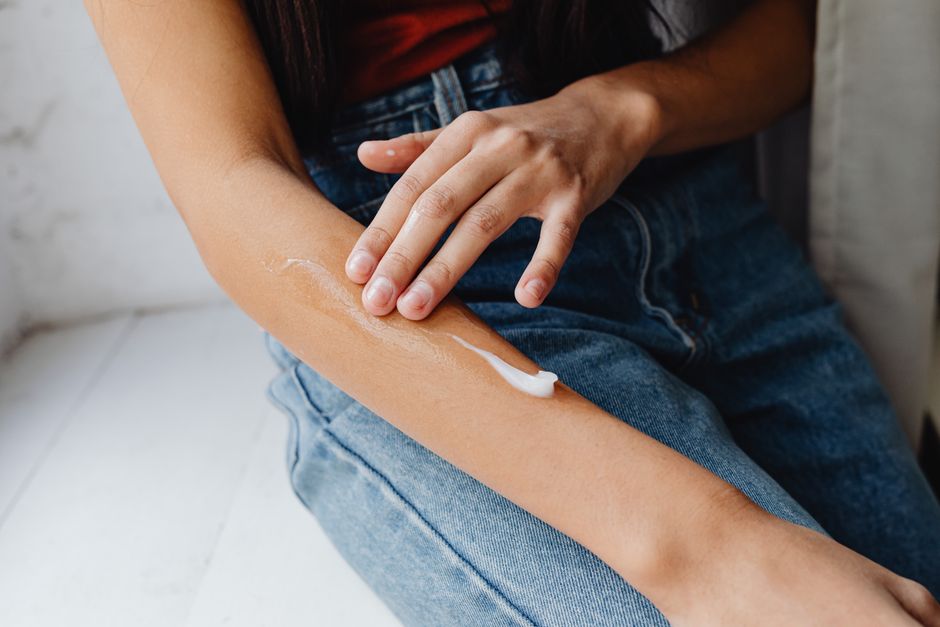
Capsaicin cream is a topical pain reliever made from the compound that gives chili peppers their heat. You can make a simple version at home by infusing a carrier oil with ground cayenne or chili powder, then thickening it with beeswax. The key is getting the concentration right and testing it carefully, because capsaicin can cause significant burning if you use too much.
How Does Capsaicin Actually Reduce Pain?
Capsaicin works through a mechanism called substance P depletion. Substance P is a neurotransmitter involved in sending pain signals from peripheral nerves to the brain. When capsaicin is applied to the skin, it initially activates TRPV1 receptors — the same receptors that respond to actual heat — which is why you feel a burning sensation at first.
With repeated application, those nerve endings become desensitized. The nerve fibers release their stores of substance P and can’t replenish them fast enough between applications. The result is that pain signals from that area travel less efficiently. This is not numbing in the way lidocaine works. It’s a different process that takes time to develop.
This mechanism is well established in pain research. The evidence for capsaicin’s effectiveness is strongest for certain types of pain — particularly osteoarthritis and peripheral neuropathic pain — and weaker or absent for others. It is not a universal pain solution.
What Ingredients Do You Need?
The recipe requires three things: a source of capsaicin, a carrier oil, and optionally a thickening agent like beeswax. That’s it. No special equipment beyond a double boiler or a heat-safe bowl set over a pot of simmering water.
- Capsaicin source: Ground cayenne pepper or chili powder. Cayenne powder typically contains around 30,000 to 50,000 Scoville heat units, though this varies widely by brand and batch.
- Carrier oil: Olive oil, coconut oil, or grapeseed oil. Olive oil is stable at low heat and widely available.
- Beeswax: Optional but useful for making a thicker cream rather than a liquid oil. About 1 tablespoon per half cup of oil gives a balm-like consistency.
Some recipes include additional ingredients like menthol, camphor, or essential oils. These add their own effects and their own risks. Menthol and camphor can cause skin irritation or allergic reactions in some people. If you’re making this for the first time, keep it simple.
How To Make Capsaicin Cream At Home For Pain Relief
The process is straightforward but requires patience and careful handling. Capsaicin can irritate your eyes, nose, and throat if you’re not careful during preparation.
Step 1: Infuse the Oil
Combine 2 to 4 tablespoons of ground cayenne or chili powder with 1 cup of carrier oil in a heat-safe bowl or double boiler. Heat gently over simmering water — not boiling — for 30 to 60 minutes. Stir occasionally. The oil will take on a reddish color and a strong peppery smell.
Do not let the oil smoke or boil. High heat can degrade the capsaicin and create an unpleasant, acrid smell. Low and slow is the approach.
Step 2: Strain the Oil
Let the mixture cool slightly, then strain through cheesecloth or a fine mesh strainer into a clean jar. Squeeze the cheesecloth to get as much oil as possible, but be aware that this concentrates the capsaicin. The more you squeeze, the hotter the final product.
Discard the solids. Do not compost them if you have pets — chili powder can irritate animals.
Step 3: Add Beeswax (Optional)
If you want a cream rather than an oil, return the strained oil to the double boiler and add 1 tablespoon of grated beeswax per half cup of oil. Stir until fully melted and combined. Pour into a clean container and let it cool and solidify.
Step 4: Test Before Using
Before applying to any painful area, test a small amount on a less sensitive part of your skin, like the inner forearm. Wait 15 to 30 minutes. If the burning is tolerable and fades, the concentration is likely manageable. If it’s intense or doesn’t fade, dilute the cream with more carrier oil before using it again.
What Concentration of Capsaicin Is Effective?
This is where home recipes get tricky. Clinical studies on capsaicin for pain typically use concentrations of 0.025% to 0.075% for over-the-counter products, and much higher concentrations — 8% — for prescription patches used in clinical settings. These percentages refer to the amount of purified capsaicin, not the amount of chili powder.
A home infusion made from cayenne powder does not have a standardized capsaicin concentration. The amount varies based on the pepper variety, growing conditions, drying method, and how long you infuse the oil. You cannot accurately determine the percentage of capsaicin in your final product without laboratory testing.
This means home-made capsaicin cream is inherently unpredictable. It might be too weak to help. It might be strong enough to cause significant skin irritation. The honest position is that you’re working with an unknown dose.
If you want a predictable concentration, over-the-counter capsaicin creams list the exact percentage on the label. That’s not marketing — it’s a meaningful difference for both safety and effectiveness.
What Are the Risks and Side Effects?
The most common side effect is burning at the application site. This is expected and usually diminishes with repeated use as the nerves desensitize. But “expected” doesn’t mean “comfortable.” Some people find the burning intolerable, especially in the first week.
Other potential issues include:
- Skin irritation: Redness, itching, or a rash can develop, particularly with higher concentrations.
- Accidental transfer: Capsaicin can spread from your hands to your eyes, nose, or other sensitive areas. Wash your hands thoroughly with soap and water after applying, and avoid touching your face.
- Burning in sensitive areas: Never apply capsaicin cream to broken skin, mucous membranes, or near the eyes.
- Allergic reactions: Though rare, some people are allergic to capsaicin or to other compounds in chili peppers.
If you experience severe burning that doesn’t fade, blistering, or signs of an allergic reaction like swelling or difficulty breathing, stop using the cream and seek medical attention.
There is also a practical concern with home-made products: contamination. Without preservatives, oil-based creams can grow bacteria or mold over time. Store your cream in a cool, dark place and discard it if it smells rancid or changes appearance. A typical shelf life for home-made oil infusions is a few weeks to a few months, depending on the oil and storage conditions.
When Should You Consider a Store-Bought Option?
If your goal is reliable pain relief, a commercially prepared capsaicin cream has advantages that are hard to ignore. The concentration is standardized. The product is tested for stability and safety. The instructions for use are based on clinical studies.
This doesn’t mean home-made cream can’t work. It means you’re accepting more uncertainty about what you’re actually applying and how much capsaicin you’re getting.
For mild muscle aches or as a general warming rub, a home-made version may be adequate. For chronic pain conditions like osteoarthritis or diabetic neuropathy, where capsaicin has the most evidence, a product with a known concentration is a more predictable choice.
How Should You Apply It?
Apply a thin layer to the affected area and rub it in gently. Wash your hands immediately afterward. Do not cover the area with a tight bandage or heating pad — this can increase absorption and irritation.
Capsaicin takes time to work. You may not notice pain relief after the first application. Clinical studies typically show benefits after several days to a week of regular use. The burning sensation often decreases with each application as the nerves desensitize.
If you miss a dose, don’t double up. Just apply the next dose at the usual time. Consistency matters more than intensity.
Frequently Asked Questions
Can I use fresh chili peppers instead of powder?
Yes, but the capsaicin concentration will be even less predictable than with powder. Fresh peppers vary widely in heat, and the infusion process may extract capsaicin less efficiently from fresh tissue than from dried, ground powder.
How long does home-made capsaicin cream last?
Most oil-based infusions last a few weeks to a few months if stored in a cool, dark place. Without preservatives, they can spoil. Discard the cream if it smells rancid or shows signs of mold.
Is capsaicin cream safe for arthritis pain?
Capsaicin has the strongest evidence for osteoarthritis pain, particularly in the hands and knees. However, home-made versions have unknown concentrations, so a standardized over-the-counter product is a more reliable option for this use.
What should I do if the burning is too intense?
Wash the area gently with soap and cool water, then apply a cool compress. Do not use ice directly on the skin. If burning persists or blisters form, stop using the cream and consult a healthcare provider.
