
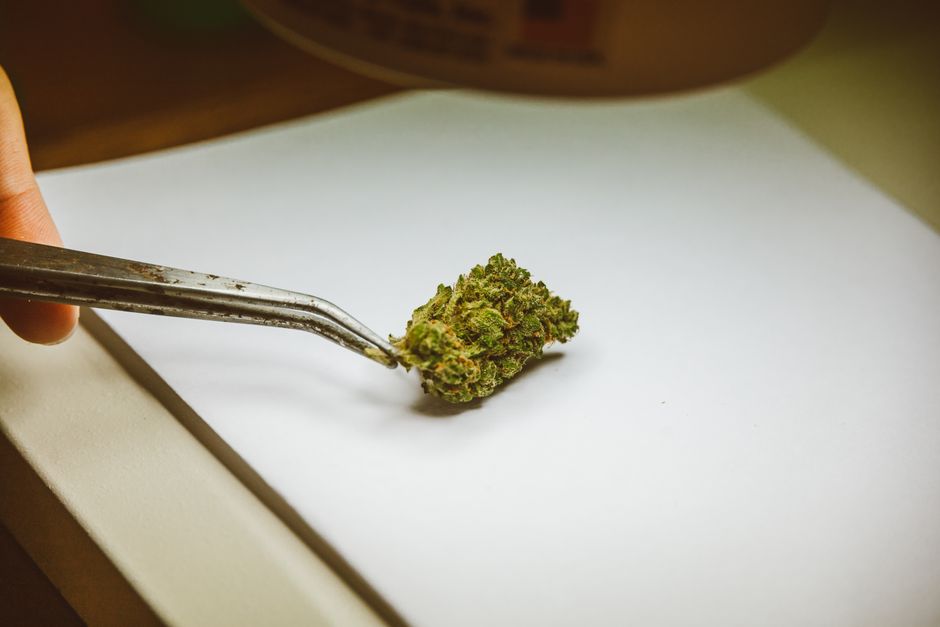
Understanding the Difference: CBD Oil vs. Cannabis Oil
Before you start, it is important to know what you are actually making. The term “cannabinoid oil” is broad. It can mean an oil rich in CBD (cannabidiol), an oil rich in THC (tetrahydrocannabinol), or a full-spectrum oil containing many compounds from the plant.
Commercial CBD oil is typically extracted from hemp plants that contain very low levels of THC. Home extraction usually starts with cannabis flower, which often contains both CBD and THC. Unless you have access to lab-tested hemp flower, you cannot control the exact ratio of cannabinoids in your finished product.
THC is the compound responsible for the psychoactive effects, or the “high.” CBD is non-intoxicating. If you are making oil at home from regular cannabis, the final product will contain THC and can produce intoxication. This matters for dosing and for legal reasons depending on where you live.
What You Need to Get Started
Making cannabis oil at home requires specific equipment. You do not need expensive laboratory gear, but you do need tools that allow for precise temperature control.
You will need:
- Dried cannabis flower (7 to 14 grams is a common starting amount)
- A carrier oil such as coconut oil, MCT oil, or olive oil
- An oven for decarboxylation
- A cooking thermometer
- A double boiler or slow cooker
- Cheesecloth or a fine mesh strainer
- A glass storage container
The carrier oil matters. Coconut oil and MCT oil are popular because they contain medium-chain triglycerides, which some research suggests may help the body absorb cannabinoids more efficiently. Olive oil is a fine choice too, though the absorption profile may differ slightly. No large human trials have confirmed that MCT oil is meaningfully better than olive oil for absorption.
The First Step: Decarboxylation
Raw cannabis flower contains cannabinoids in their acidic forms, such as THCA and CBDA. These acids are not psychoactive and do not bind well to the body’s cannabinoid receptors. Heat converts them into their active forms, THC and CBD. This process is called decarboxylation.
Without this step, your oil will have very little effect. The oil will taste like cannabis, but it will not deliver the expected benefits.
To decarboxylate:
- Break the dried flower into small pieces. Do not grind it into a powder, as this can make straining difficult later.
- Spread the pieces evenly on a baking sheet lined with parchment paper.
- Heat in an oven at approximately 220 to 240 degrees Fahrenheit (105 to 115 degrees Celsius).
- Bake for 30 to 40 minutes. Check the flower every 10 minutes. It should turn a light golden-brown color.
The exact time and temperature matter. Too little heat and the conversion is incomplete. Too much heat and you degrade the cannabinoids, reducing potency. A cooking thermometer placed near the flower can help you maintain a consistent temperature, since home ovens often fluctuate.





Infusing the Decarboxylated Cannabis into Oil
Once the flower is decarboxylated, the next step is infusion. This is where the active cannabinoids transfer into the carrier oil.
The basic process:
- Combine the decarboxylated cannabis with your carrier oil in a double boiler or slow cooker.
- Use approximately 1 cup of oil for every 7 to 14 grams of flower. This ratio produces a moderately potent oil. Adjusting the ratio up or down changes the strength.
- Heat the mixture gently. The ideal temperature range is 160 to 200 degrees Fahrenheit (70 to 93 degrees Celsius). Do not let the oil boil.
- Maintain this temperature for 2 to 3 hours. Stir occasionally.
- After infusion, strain the mixture through cheesecloth or a fine mesh strainer to remove the plant material.
- Squeeze the cloth to extract as much oil as possible.
- Store the finished oil in a glass jar with a tight lid.
Cannabinoids are fat-soluble, which means they dissolve into oils rather than water. This is why a carrier oil is necessary. The heat helps the cannabinoids move from the plant material into the oil.
Why Temperature Control Is Critical
Temperature control is the single most important factor in home cannabis oil production. Getting this wrong can ruin the batch or create safety risks.
If the oil exceeds roughly 200 degrees Fahrenheit (93 degrees Celsius), you risk degrading the cannabinoids. THC begins to break down into CBN (cannabinol) at higher temperatures. CBN is mildly sedating but does not produce the same effects as THC. The result is an oil that is weaker and possibly more sleep-inducing than intended.
If the oil reaches its smoke point, you can burn the plant material. Burnt cannabis oil tastes unpleasant and may contain unwanted byproducts. Always use a thermometer to monitor the temperature, even if your slow cooker has a low setting. Slow cookers vary widely, and many run hotter than their lowest setting.
Never use an open flame or direct stovetop heat. A double boiler or slow cooker distributes heat more evenly and prevents hot spots that can scorch the oil.
How to Dose Homemade Cannabis Oil Safely
Dosing homemade cannabis oil is genuinely difficult. Commercial products are lab-tested and list exact milligram amounts of THC and CBD per serving. Home oil has no such labeling.
The potency of your oil depends on several variables: the potency of the starting flower, the decarboxylation efficiency, and the amount of oil used. None of these can be precisely measured at home without laboratory equipment.
Start with a very small amount. A common recommendation is to begin with a dose roughly the size of half a grain of rice. Wait at least 2 hours before taking more. Edible cannabis can take 30 minutes to 2 hours to produce effects, and the peak effect may not occur until 2 to 4 hours after consumption.
The effects of oral cannabis are different from smoking or vaping. When you eat cannabis, the liver converts THC into a more potent metabolite called 11-hydroxy-THC. This compound crosses the blood-brain barrier more easily, which is why edibles can feel stronger and last longer than inhaled cannabis.
Because of this metabolic difference, taking too much edible cannabis is easy. Overconsumption can cause anxiety, paranoia, rapid heart rate, and nausea. These symptoms are temporary and not life-threatening, but they are unpleasant. There is no clinical emergency from cannabis overdose, but medical help is appropriate if symptoms are severe or if the person has underlying health conditions.
Risks and Legal Considerations
Homemade cannabis oil carries risks beyond potency issues. The most serious risk is fire. Extracting with volatile solvents like butane or alcohol is dangerous and should never be attempted at home. The methods described here use only heat and carrier oil, which avoids that hazard. However, leaving oil unattended on a heat source is still a fire risk.
There is also a risk of contamination. Home kitchens are not sterile environments. The finished oil should be stored in the refrigerator and used within a few weeks to reduce the risk of mold or bacterial growth. Coconut oil and olive oil can go rancid over time, especially if stored in warm conditions.
Legal status is another consideration. Cannabis laws vary significantly by state in the United States. In states where recreational cannabis is legal, adults can generally possess and use cannabis products, but there may be limits on the amount of plant material you can possess at one time. In states where only medical cannabis is legal, home production may be restricted to registered patients. In states where cannabis remains illegal, any home production is illegal regardless of the method.
Check your local laws before starting. The information here is educational and does not constitute legal advice.
Commercial Products vs. Homemade Oil
Commercial cannabinoid oils are produced under controlled conditions with rigorous testing. Manufacturers test for potency, contaminants, pesticides, and residual solvents. The final product has a labeled dose, which makes safe use significantly easier.
Homemade oil offers no such guarantees. The strength is unknown, and the risk of contamination is higher. The main advantages of homemade oil are cost savings and control over the source material. If you grow your own cannabis, you know exactly what went into the plant.
For medical users, commercial products are generally the safer choice. Consistent dosing is critical for managing chronic conditions. A homemade batch that varies in potency from one batch to the next can complicate treatment. Some clinicians recommend that patients using cannabis for medical purposes work with a dispensary or licensed producer rather than relying on homemade preparations.
Storage and Shelf Life
Proper storage extends the life of your homemade oil. Cannabinoids degrade over time when exposed to light, heat, and oxygen.
Store the oil in a dark glass jar with an airtight seal. Keep it in a cool, dark place like a pantry or refrigerator. Refrigeration is recommended for longer storage. Under these conditions, the oil can remain usable for several months, though the potency will gradually decline.
If the oil develops an off smell, a rancid taste, or visible mold, discard it. Do not consume oil that shows signs of spoilage. When in doubt, throw it out.
Frequently Asked Questions
What is the best oil to use for making cannabis oil?
Coconut oil and MCT oil are the most common choices because they are stable at low heat and may aid absorption. Olive oil also works well if you prefer its taste or have it on hand.
How long does homemade cannabis oil last?
Stored in an airtight glass jar in the refrigerator, homemade cannabis oil can last for several months. Potency gradually declines over time, so use it sooner rather than later for the strongest effects.
Can I make cannabis oil without decarboxylating the flower?
Technically yes, but the oil will not be psychoactive or medically effective because the cannabinoids remain in their inactive acidic forms. Decarboxylation is required to activate THC and CBD.
How do I know how strong my homemade cannabis oil is?
You cannot know the exact potency without laboratory testing. Start with a very small dose, about half a grain of rice, and wait at least 2 hours before taking more.
