
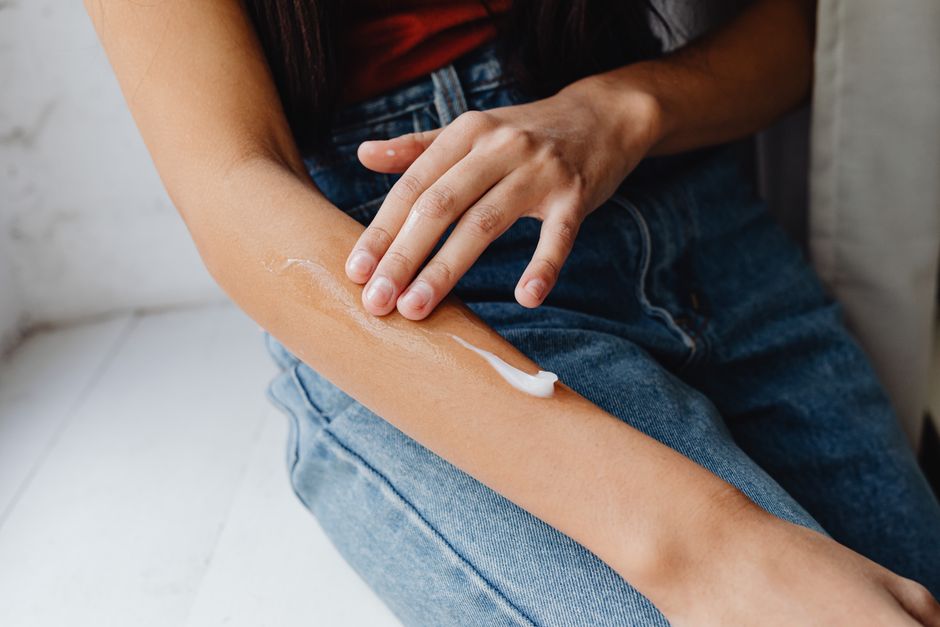
Calamine lotion is a simple mixture of zinc oxide and ferric oxide (a form of iron oxide) suspended in water and glycerin. You can make a basic version at home by combining zinc oxide powder with a small amount of red iron oxide for color, then mixing it into water with glycerin to help it stay on the skin. The steps are straightforward, but a few safety points matter — especially with children and broken skin.
What Is Calamine Lotion Actually Made Of?
Calamine lotion has two active ingredients and a short list of inactive ones. The active part is zinc oxide and ferric oxide. The rest is a carrier: water, glycerin, and sometimes a small amount of alcohol or a preservative.
Zinc oxide is the workhorse. It is a white mineral powder that sits on the skin surface, absorbs moisture, and forms a light physical barrier. Ferric oxide adds the pink color most people recognize. It does very little for the skin itself — its main job is to make the lotion look the way people expect.
That distinction matters. The pink color is cosmetic. The soothing and drying effects come from the zinc oxide and from the water evaporating off the skin, not from the iron oxide.
Why glycerin is in the recipe
Zinc oxide does not dissolve in water. It settles to the bottom of a bottle within minutes. Glycerin is a thick, syrupy liquid that slows that settling and helps the powder stay spread across the skin after you shake and apply it. Without it, you would get watery liquid on top and a hard cake of powder at the bottom.
Glycerin also holds moisture. That sounds helpful, and in small amounts it is. But too much glycerin makes the lotion sticky and can pull moisture in a way that feels tacky on the skin. A little goes a long way.
How To Make Calamine Lotion Ingredients And Steps
The ingredient list is short. You need zinc oxide powder, a small amount of red iron oxide, glycerin, water, and a clean bottle with a tight lid. All of these are sold online and in pharmacies, though iron oxide can be harder to find in small quantities.
Here is the basic method:
- Combine the powders first. Mix about two tablespoons of zinc oxide with a very small pinch of red iron oxide in a small bowl. Add the iron oxide gradually until you reach the pink shade you want. It is easy to overshoot, and a little goes a long way.
- Add glycerin. Stir in roughly one teaspoon of glycerin. Mix until the powder and glycerin form a smooth paste with no dry clumps.
- Add water slowly. Pour in about half a cup of clean water a little at a time, stirring constantly. The mixture will look thin — that is normal.
- Transfer to a clean bottle. Use a bottle with a tight cap. Shake well before each use, because the powder will settle.
These proportions are a starting point, not a fixed formula. The exact ratio of powder to water affects how thick the lotion is. More powder gives a thicker, more drying product. More water gives a thinner one that spreads easily but dries less opaque.
A note on preservatives
Water-based mixtures with no preservative can grow bacteria and mold within days, especially in a warm bathroom. If you make a batch, store it in the refrigerator and plan to use it within about a week. Discard it if it smells off, changes color, or looks cloudy in a new way. Commercial calamine lotion contains preservatives for exactly this reason.
Is Homemade Calamine Lotion Safe?
For most adults and older children with intact skin, a simple zinc oxide and glycerin mixture is low risk. Zinc oxide is used in diaper creams, sunscreen, and wound care products, and it has a long safety record when applied to the skin.
The risks come from the edges of the recipe, not the core ingredients.
- Do not use it on broken skin or open wounds without checking with a clinician. A homemade product is not sterile.
- Avoid inhaling the powders. Zinc oxide and iron oxide are fine dusts. Mix them gently, and keep the process away from anyone with asthma or young children.
- Do not add essential oils or other extras unless you know they are safe for the skin. Many cause irritation, especially on damaged skin.
- Test a small patch first. Apply a little to the inner forearm and wait a day before using it more widely.
One point people often miss: calamine lotion is not a treatment for the cause of itching. It dries and cools the skin surface, which can feel soothing, but it does not stop an allergic reaction, an infection, or a rash from spreading. If itching is severe, spreading, or comes with fever or swelling, that is a reason to see a clinician rather than to make another batch.



How Does Calamine Lotion Relieve Itching?
The relief is mostly physical, not pharmacological. As the water in the lotion evaporates, it cools the skin. Cooler skin sends fewer itch signals along the nerve fibers that carry itch to the spinal cord. Zinc oxide also forms a light barrier that reduces friction and contact with irritants.
That is why the effect is temporary. Once the lotion dries and flakes off, the cooling is gone. It is a comfort measure, not a cure.
Some sources describe calamine as an astringent that “draws out” irritants. That framing is misleading. The skin is not a sponge, and lotion does not pull substances out of it. What actually happens is drying and cooling of the surface.
How Does It Compare To Store-Bought Calamine?
Commercial calamine lotion is standardized, preserved, and tested for consistency. A homemade version is none of those things, though it can be cheaper and lets you control what goes in it.
| Feature | Store-bought | Homemade |
|---|---|---|
| Preservative | Yes | Usually none |
| Shelf life | Months to years, per label | About a week, refrigerated |
| Consistency | Standardized | Varies by batch |
| Ingredient control | Fixed | You decide |
| Sterility | Manufactured under controlled conditions | Not sterile |
For occasional use on intact skin, either option is reasonable. For anyone with sensitive skin, young children, or a rash that is not settling, the standardized product is the more predictable choice.
When Should You Not Use Calamine Lotion?
Skip calamine — homemade or store-bought — on deep wounds, burns that blister, or skin that is weeping or crusted. The drying effect can slow healing and trap moisture where bacteria thrive.
It is also not the right product for eczema that is already dry and cracked. Calamine dries the skin further, which can make flaking and irritation worse. Moisturizers are usually the better fit there.
For chickenpox, calamine is often used to ease itching, and it is widely recommended for that purpose. But it should not be applied to broken pox lesions or near the eyes. If a child has chickenpox and the itching is severe or the skin looks infected, contact a clinician.
Finally, calamine is not a substitute for medical care. A rash that spreads quickly, comes with trouble breathing, or appears with a fever needs prompt attention, not a home remedy.
Frequently Asked Questions
What are the main ingredients in calamine lotion?
The active ingredients are zinc oxide and ferric oxide, mixed with water and glycerin. Ferric oxide provides the pink color, while zinc oxide does most of the skin-soothing work.
Can I make calamine lotion without glycerin?
You can, but the powder will settle faster and the lotion will be harder to spread evenly. Glycerin helps keep the zinc oxide suspended and improves how the product stays on the skin.
How long does homemade calamine lotion last?
Without a preservative, a water-based batch should be kept refrigerated and used within about a week. Throw it out sooner if it smells different or looks cloudy.
Is homemade calamine lotion safe for children?
Check with a pediatric clinician before using any homemade product on a child, especially on broken skin or near the face. Store-bought calamine is the more predictable option for children.
