
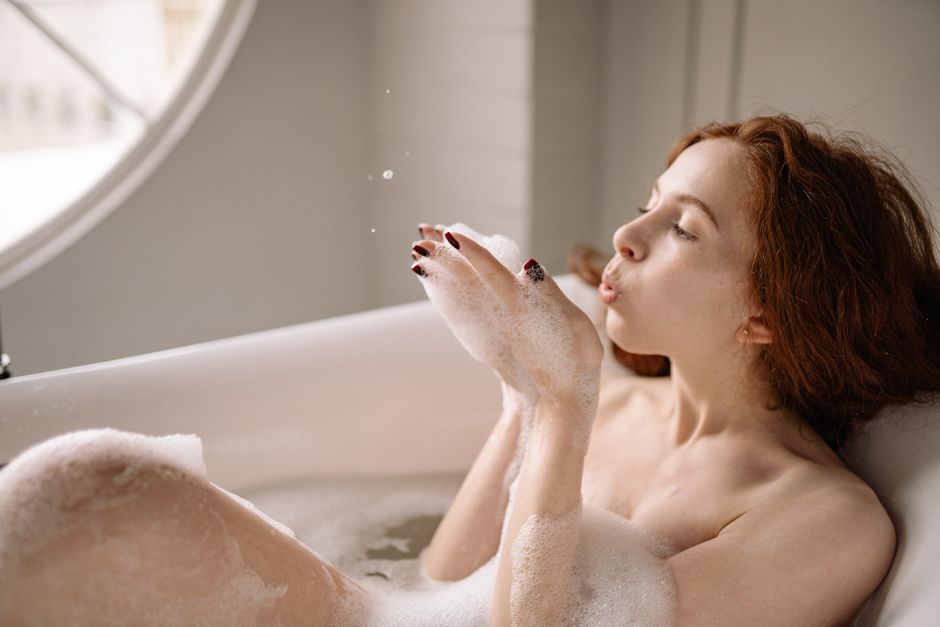
Making a great bubble bath is simpler than most people think. You need three things: the right product, the right water, and the right technique. The biggest mistake is pouring bubble bath directly under a running faucet. Instead, add your product to the empty tub first, then fill it with warm water. This simple change creates dramatically more bubbles. The rest is about water temperature, water pressure, and knowing what to avoid so your bath stays bubbly from start to finish.
What Is the Best Bubble Bath Product to Use?
The product you choose matters more than any other factor. Liquid bubble bath formulas are generally more effective than solid bath bombs or bath oils. Bath bombs often contain oils that actually reduce foam. Oils coat the water surface and break down bubble structure.
For the most bubbles, choose a product with sodium lauryl sulfate (SLS) or sodium laureth sulfate (SLES) listed early in the ingredients. These are the foaming agents that create stable bubbles. Many natural and organic products avoid these ingredients entirely, which is why they often produce fewer or shorter-lived bubbles.
If you have sensitive skin, look for products labeled fragrance-free and formulated for sensitive skin. Fragrance is one of the most common irritants in bath products. You can still get a good bubble bath without strong scents.
Do not use dish soap, hand soap, or shampoo as a substitute. These products are not formulated for skin contact over long periods. They can strip natural oils and cause irritation, especially in sensitive areas.
How To Make Bubble Bath Easy: The Correct Water Technique
Water temperature and pressure are the two variables you control that make the biggest difference. The ideal temperature is warm, not hot. Water that is too hot creates smaller, weaker bubbles that collapse quickly. Water that is too cool does not activate the foaming agents fully.
Aim for water around body temperature, roughly 98-100°F (37-38°C). This feels warm to the touch but not scalding. If the water feels hot when you put your hand in, it is too hot for bubbles and for your skin.
Water pressure matters more than most people realize. A powerful stream from the faucet creates more agitation, which means more bubbles. If your faucet has low pressure, you can hold a showerhead over the water stream to increase agitation.
Position the faucet so the water hits the surface directly. The more force the water has when it strikes the water surface, the more air gets incorporated, and the more bubbles form.
How Much Bubble Bath Should You Use?
More product does not mean more bubbles. There is a saturation point where adding extra product stops increasing bubble volume and simply wastes money.
For a standard bathtub, 2-3 tablespoons of liquid bubble bath is typically enough. Start with this amount and adjust based on your results. If your first attempt produces thin bubbles, add a small amount more next time.
If you have hard water, you may need slightly more product. Hard water contains minerals that interfere with foam formation. If you have soft water, you may need less.
Do not pour the product into a cup and dump it in. Measure it directly into the empty tub before adding water. This ensures even distribution and gives the water something to agitate as it fills.




Why Do Your Bubbles Disappear Quickly?
Several common mistakes cause bubbles to vanish within minutes. Understanding these helps you avoid them.
Oils are the number one bubble killer. Any oil on your skin, from lotion, massage oil, or a previous bath product, will break down bubbles on contact. Rinse off before getting in if you have applied lotions or oils recently.
Soap residue in the tub can also affect bubble quality. If your tub has soap scum or residue from previous baths, the bubbles may not form well. A quick rinse of the tub before filling helps.
Water temperature changes can collapse bubbles. If you add hot water after the initial fill, you disrupt the bubble structure. Set your temperature before you start and leave it alone.
Moving around in the bath breaks bubbles. This is unavoidable, but you can extend bubble life by avoiding excessive movement and by adding water slowly if you need to top up.
Are Homemade Bubble Bath Recipes Safe?
Many online recipes suggest making bubble bath from dish soap, sugar, or egg whites. These are not safe or effective for bathing.
Dish soap is designed to cut grease and can severely irritate skin and mucous membranes. Sugar and egg whites create bubbles but also create a sticky, unsanitary mess that is difficult to clean and can harbor bacteria.
Some recipes suggest using castile soap, which is a mild vegetable-based soap. This can work in a pinch, but it produces fewer bubbles than commercial bubble bath products and can still irritate sensitive skin. If you choose this route, use a small amount and test on a small area of skin first.
No clinical evidence supports the safety of homemade bubble bath recipes. Commercial products are formulated with skin safety in mind and are tested for irritation. Homemade alternatives lack this testing.
How To Make Bubbles Last Longer While Bathing
Once you have a good layer of bubbles, you can take steps to preserve them.
Keep the bathroom door closed. Drafts and cooler air cause bubbles to pop faster. A warm, still environment helps maintain bubble structure.
Avoid adding bath salts, oils, or other additives after your bubbles have formed. These products change the water chemistry and can break down the foam.
If you want to add essential oils, mix them into your bubble bath product before adding water. This distributes the oil evenly and reduces the chance of oil sitting on the surface and killing bubbles.
Do not run the jets if your tub has them. The agitation seems like it would help, but it actually breaks down the bubble structure over time. Jets create large, unstable bubbles that collapse quickly.
What About Bubble Baths and Skin Health?
Bubble baths are not recommended for everyone. The foaming agents that create bubbles can strip the skin of natural oils. For people with dry skin, eczema, or sensitive skin, frequent bubble baths can make symptoms worse.
Urinary tract infections and irritation are also a concern, particularly for women. The foam can carry irritants into sensitive areas. If you are prone to UTIs or irritation, consider limiting bubble baths or avoiding them entirely.
For children, especially those under three years old, bubble baths can cause urinary tract irritation. Some pediatricians recommend avoiding bubble baths for young children or limiting them to special occasions.
If you notice itching, redness, or irritation after a bubble bath, rinse off with plain water afterward. This removes residual product from your skin. Moisturizing after your bath also helps replace oils that were stripped away.
Frequently Asked Questions
Why are my bubble bath bubbles disappearing so fast?
Oils from lotions, bath oils, or skin products are the most common cause. Rinse off before getting in and avoid adding oils after your bubbles form.
Can I use shampoo or dish soap for a bubble bath?
No. These products are not formulated for prolonged skin contact and can cause irritation. Use a product specifically labeled as bubble bath.
How much bubble bath should I use in a standard tub?
Start with 2-3 tablespoons of liquid bubble bath added to the empty tub before filling with warm water. Adjust slightly if you have hard or soft water.
Is it safe to give my child a bubble bath?
Bubble baths can irritate young children’s skin and urinary tract. If you use them, limit frequency, use fragrance-free products, and rinse your child with plain water afterward.
