
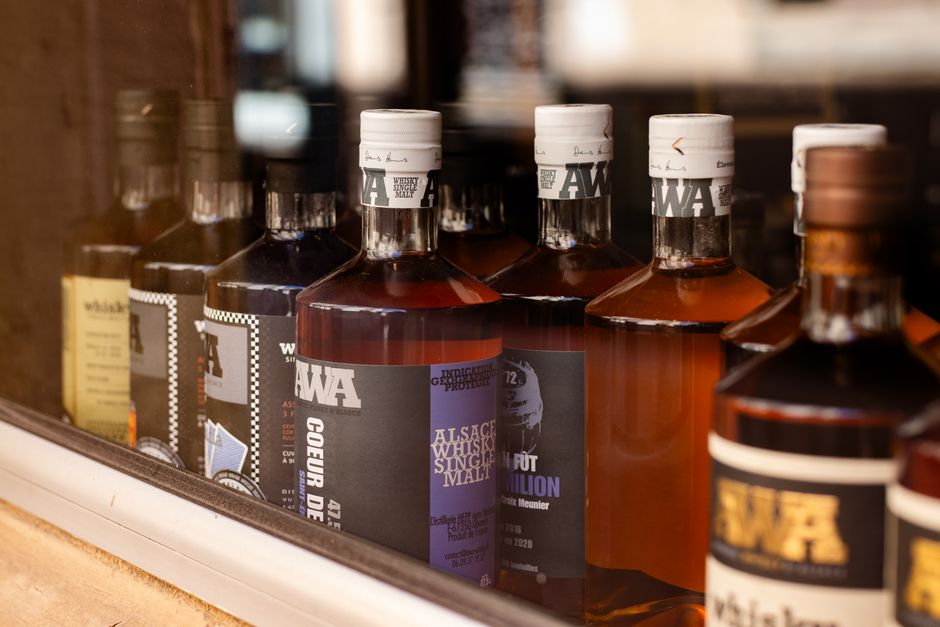
Making brandy from wine is a three-step process that transforms fermented grape juice into a concentrated spirit. First, you distill the wine to separate alcohol from water, creating a high-proof liquid called “low wine.” Then you age that clear spirit in oak barrels, where it develops color and flavor over months or years. The result is brandy — essentially concentrated wine that has been refined through heat and time.
What Equipment Do You Need to Distill Wine Into Brandy?
A still is the only essential piece of equipment. There are two main types. A pot still works well for brandy because it preserves fruit flavors. A reflux still produces a cleaner, higher-proof spirit but strips away some of the wine character. Most home brandy makers use a copper pot still.
You also need a heat source. Gas burners work fine outdoors. Electric hot plates are safer for indoor use. Never use an open flame near alcohol vapors. You will also need glass collection jars, a hydrometer to measure alcohol content, and a thermometer to track the distillation temperature.
Barrels for aging come next. New American or French oak barrels are standard. Smaller barrels age brandy faster because more liquid touches the wood surface. A 5-gallon barrel ages brandy noticeably in 6 to 12 months. Larger barrels take years. Glass containers with oak chips are a cheaper alternative, but the quality is not the same.
How Do You Prepare Wine for Distillation?
Start with a dry wine. Sweet wine will not distill well because sugar does not evaporate. The yeast has already turned the sugar into alcohol, so a finished dry wine is ready to go. Table wine works. So does homemade wine. The better the wine, the better the brandy.
Do not add sulfites or preservatives to wine you plan to distill. These chemicals concentrate during distillation and can ruin the taste. If you buy commercial wine, check that it has no added sulfites. Many cheap wines do.
Some distillers add a small amount of tartaric acid to the wine before distilling. This helps balance the pH and improves the final flavor. It is optional. Most home distillers skip this step and get good results.
How Does the Distillation Process Work?
Pour the wine into the still and heat it slowly. Alcohol boils at 173°F (78°C), while water boils at 212°F (100°C). As the wine heats, alcohol vapors rise first. Those vapors travel through the still neck, cool in the condenser, and turn back into liquid. That liquid is your brandy.
The first liquid that comes out is called the “foreshots.” It contains methanol and other toxic compounds. Discard it. The next portion is the “heads.” It has strong solvents and smells like nail polish remover. Collect it separately but do not keep it for drinking. The middle portion is the “heart.” This is the good brandy. It runs clear and smells fruity. The final portion is the “tails.” It contains heavy oils that taste bitter and muddy. Stop collecting when the alcohol content drops below 20%.
A second distillation makes the brandy smoother. Take the heart from the first run and distill it again. This time, discard the heads and tails more carefully. The final product will be around 60% to 70% alcohol by volume. That is too strong to drink straight. You will need to dilute it with distilled water to about 40% to 50% ABV before aging.
| Distillation Fraction | Temperature Range | What to Do |
|---|---|---|
| Foreshots | Below 173°F (78°C) | Discard entirely — toxic |
| Heads | 173°F to 185°F (78°C to 85°C) | Collect separately — not for drinking |
| Heart | 185°F to 205°F (85°C to 96°C) | Keep — this is your brandy |
| Tails | Above 205°F (96°C) | Stop collecting — bitter oils |




How Does Aging Change the Brandy?
Aging is where the magic happens. Freshly distilled brandy is clear, harsh, and smells like raw alcohol. Oak barrels change that. The wood releases compounds called tannins and lignins. Tannins add structure and a slight bitterness. Lignins break down into vanillin, which gives brandy its vanilla aroma. Oxygen slowly seeps through the barrel and smooths out harsh edges.
Time matters. Brandy aged for one year in a small barrel will have noticeable color and flavor. After three years, it will be significantly smoother and more complex. Five years or more produces a deep amber spirit with layers of dried fruit, spice, and oak. The CDC reports that proper aging does not reduce the health risks of alcohol — it only changes the taste. No amount of aging makes brandy safe to drink in excess.
Temperature also affects aging. Warmer temperatures speed up the process. Cool temperatures slow it down. Consistent temperature between 55°F and 75°F works best. Large swings in temperature cause the liquid to expand and contract, which can crack the barrel.
Evaporation is part of aging. The “angel’s share” is the alcohol and water that evaporate through the barrel each year. In a dry climate, you can lose 5% to 10% of your brandy per year. In a humid climate, the loss is lower but the proof drops more. Plan for this loss when deciding how much to age.
How To Make Brandy From Wine Distillation Aging — Common Mistakes
Many beginners rush the process. They try to drink the brandy immediately after distilling. Fresh brandy tastes like rubbing alcohol. It needs time in the barrel. Do not skip aging.
Another mistake is using wine with preservatives. Potassium sorbate and sulfites concentrate during distillation and create off-flavors that no amount of aging can fix. Start with clean, preservative-free wine.
Some people overfill their barrels. A barrel needs headspace for the liquid to expand and contract. Fill it to 90% capacity at most. Overfilling can cause the barrel to leak or burst.
Distilling too fast is also a problem. If you heat the still too aggressively, you will mix the heads and tails into the heart. The brandy will taste harsh and muddy. Slow, steady heat gives you cleaner separation. A good rule is to collect about one drop per second during the heart phase.
- Do not use wine with added sulfites or preservatives
- Do not drink brandy straight from the still — it needs aging
- Do not fill barrels more than 90% full
- Do not distill too fast — slow heat gives cleaner separation
- Do not skip the second distillation for smoother brandy
What Does the Research Say About Home Distillation Safety?
Home distillation of alcohol is illegal in many countries without a license. In the United States, it is illegal to distill spirits at home without a federal permit. This applies even if you do not sell the brandy. The Alcohol and Tobacco Tax and Trade Bureau (TTB) enforces this law. Some states allow home distillation for personal use, but federal law still prohibits it. Check your local laws before starting.
Safety is a real concern. Distilling produces flammable alcohol vapors. A single spark can ignite them. Always distill outdoors or in a well-ventilated area away from open flames. Use a still made from food-grade materials. Copper is standard. Never use plastic or aluminum, which can leach chemicals into the brandy.
Methanol is another risk. While the amount in wine is small, improper distillation can concentrate it. This is why you must discard the foreshots. The CDC states that methanol poisoning can cause blindness or death. Proper technique eliminates this risk, but it is not something to take lightly.
Research published in the Journal of Food Science found that home-distilled spirits often contain higher levels of copper and lead than commercial spirits. This happens when the still is not properly cleaned or when solder joints contain lead. Use lead-free materials and clean your still thoroughly between batches.
Frequently Asked Questions
How long does it take to make brandy from wine?
Distillation takes one to two days. Aging takes at least six months for noticeable results, with one to three years being typical for quality brandy.
Can I use any wine to make brandy?
Use dry wine without preservatives. Sweet wine will not distill properly because sugar does not evaporate. Table wine works if it has no added sulfites.
Is home brandy distillation legal?
In the United States, distilling spirits at home without a federal permit is illegal. Other countries have different laws. Always check local regulations before starting.
Do I need a special still for brandy?
A copper pot still is the traditional choice and works well. It preserves fruit flavors better than a reflux still. Any still made from food-grade materials will work.
