
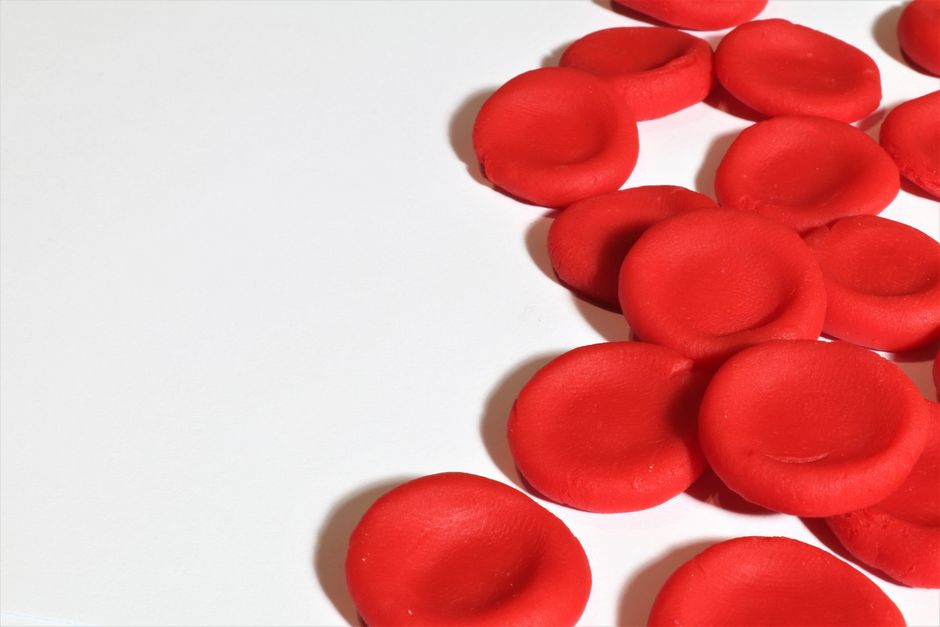
Your blood stays slightly alkaline no matter what you eat. The normal range for blood pH is about 7.35 to 7.45, and your body defends that range tightly through breathing, kidney function, and chemical buffers in the blood. Food and drinks cannot shift blood pH in healthy people. What you eat does change the pH of your urine, which is why some diets claim to “alkalize” your body — but urine pH and blood pH are two different things.
That distinction matters because a large wellness industry sells the idea that you can make your blood less acidic through diet, water, or supplements. The science does not support that claim for people with healthy kidneys and lungs. Real blood acidity problems are medical conditions that need medical treatment.
How To Make Blood Less Acidic What Science Says? Key Facts
In healthy people, there is no diet, drink, or supplement that meaningfully changes blood pH. Your body corrects it automatically.
Blood pH is controlled by three systems working together. The lungs adjust how much carbon dioxide you breathe out. The kidneys regulate bicarbonate and remove acid. Chemical buffers in the blood, mainly bicarbonate, neutralize acids within seconds.
When these systems work normally, they hold blood pH in a narrow window. Eating acidic foods or drinking alkaline water does not move that window. The body compensates and the pH stays put.
The one measurable effect of diet is on urine pH. The kidneys excrete acid or base depending on what you eat, so urine pH does shift with diet. Some studies use urine pH as a marker of “dietary acid load.” That is a real physiological measurement. It is not the same as changing blood pH.
Does Alkaline Water or Baking Soda Change Blood pH?
Alkaline water does not meaningfully change blood pH in healthy people. Baking soda can change blood pH, but only in specific medical settings and under supervision.
Alkaline water typically has a higher pH than tap water. When you drink it, stomach acid neutralizes much of it before it reaches the bloodstream. The kidneys then handle any remaining acid-base load. Studies on alkaline water have looked at urine pH and hydration, not at sustained changes in blood pH.
Baking soda (sodium bicarbonate) is different. It is a genuine alkalinizing agent and is used in hospitals for specific conditions, such as certain drug overdoses or severe metabolic acidosis. It is also used as a supplement by some athletes to buffer muscle acid during high-intensity exercise. That is a targeted use with a specific dose, not a general health practice.
Taking baking soda regularly without medical guidance carries risks. It is high in sodium, which matters for people with high blood pressure or heart or kidney disease. It can also cause gastrointestinal upset and, in excess, disturb electrolyte balance. No clinical guidelines recommend baking soda as a daily health supplement.
What Actually Causes Blood to Become Too Acidic?
Blood becomes too acidic when the lungs or kidneys fail to regulate acid-base balance, or when the body produces or loses acids abnormally. This is called acidosis, and it is a medical condition, not a diet problem.
There are two main types.
- Respiratory acidosis happens when the lungs cannot remove enough carbon dioxide. Causes include chronic lung disease, severe asthma, and conditions that slow breathing.
- Metabolic acidosis happens when the body produces too much acid or the kidneys cannot remove enough. Causes include kidney disease, uncontrolled diabetes (diabetic ketoacidosis), severe diarrhea, and some poisonings.
These are serious conditions. Symptoms can include fatigue, confusion, rapid breathing, and in severe cases, coma. Acidosis is diagnosed with blood tests and treated by addressing the underlying cause, often in a hospital.
There is also a milder, chronic form of metabolic acidosis that can occur with reduced kidney function. It is a recognized clinical finding that doctors monitor and sometimes treat. It is not something a person self-treats with diet.
What Is the Alkaline Diet and Does the Evidence Support It?
The alkaline diet is based on the idea that certain foods — meat, dairy, grains — produce acid, while fruits and vegetables produce base. The claim is that eating more alkaline foods improves health by reducing “acid load.”
The evidence here is limited and mixed. Some studies suggest that diets high in fruits and vegetables are associated with better health outcomes. That is well established. But the mechanism is not proven to be about blood pH. Fruits and vegetables are linked to lower risk of heart disease and other conditions for many reasons — fiber, potassium, vitamins, and lower intake of processed foods among them.
Where the alkaline diet gets ahead of the evidence is in claiming that it changes blood pH or treats disease. No large human trials have confirmed that an alkaline diet alters blood pH in healthy people or cures any condition. Some small studies have looked at urine pH and markers like bone health, but results vary and do not establish a clinical benefit.
One clarification worth knowing: the “acid ash” idea comes from how foods are metabolized and what the kidneys excrete. It is a real concept in nutrition science. It does not mean the food makes your blood acidic.
Can You Test Your Blood pH at Home?
You cannot reliably test blood pH at home. Blood pH is measured with a blood gas test or a metabolic panel done in a clinical lab.
Home pH test strips measure urine or saliva, not blood. Urine pH does reflect diet and can shift throughout the day. Saliva pH is not a validated measure of blood pH and is not used clinically for that purpose.
If you are concerned about acid-base balance, the right step is a conversation with a doctor and, if needed, standard blood tests. Self-testing with urine or saliva strips and adjusting your diet based on the results is not supported by clinical evidence.
What Actually Helps Your Body Manage Acid-Base Balance?
The most reliable ways to support your body’s acid-base systems are the same habits that support overall health. None of them involve “alkalizing” your blood.
- Protect your kidneys. Kidney function is central to acid-base balance. Managing blood pressure and blood sugar, staying hydrated, and avoiding unnecessary kidney stressors support kidney health.
- Protect your lungs. Not smoking and managing lung conditions like asthma or COPD help your lungs regulate carbon dioxide.
- Eat a balanced diet. Fruits, vegetables, whole grains, and adequate protein support general health. There is no need to avoid “acidic” foods for the sake of blood pH.
- Manage chronic conditions. Diabetes and kidney disease are among the most common medical causes of acidosis. Keeping them well controlled reduces risk.
If you have a condition that affects your kidneys or lungs, ask your doctor whether your acid-base balance should be monitored. That is a clinical question with a clinical answer, not a dietary one.
When Should You See a Doctor About Acid-Base Concerns?
See a doctor promptly for symptoms that could signal acidosis. These include unusual fatigue, confusion, rapid or deep breathing, persistent nausea, or feeling generally unwell in a way that does not resolve.
These symptoms have many possible causes, and most of them are not acidosis. That is exactly why a medical evaluation matters. A doctor can order the right tests and rule out serious conditions.
People with known kidney disease, diabetes, or chronic lung disease should follow their care plans and report new or worsening symptoms. Acidosis in these groups is a recognized risk, and early treatment matters.
There is no home remedy that safely corrects blood acidity. If you suspect a real problem, get it checked.
Frequently Asked Questions
Can I make my blood less acidic by eating alkaline foods?
No. Food does not meaningfully change blood pH in healthy people because the lungs and kidneys hold it in a narrow range. Diet does change urine pH, but that is not the same as blood pH.
Does lemon water make your blood alkaline?
No. Lemon water is acidic and does not change blood pH. Claims that it “alkalizes” the body are not supported by clinical evidence.
What is a normal blood pH level?
Normal blood pH is about 7.35 to 7.45, which is slightly alkaline. Values outside this range are a medical concern and require clinical testing to evaluate.
Can baking soda lower blood acidity?
Baking soda can affect acid-base balance, but it is used in specific medical situations under supervision, not as a general health practice. Regular unsupervised use carries risks, especially for people with high blood pressure or kidney or heart disease.
