
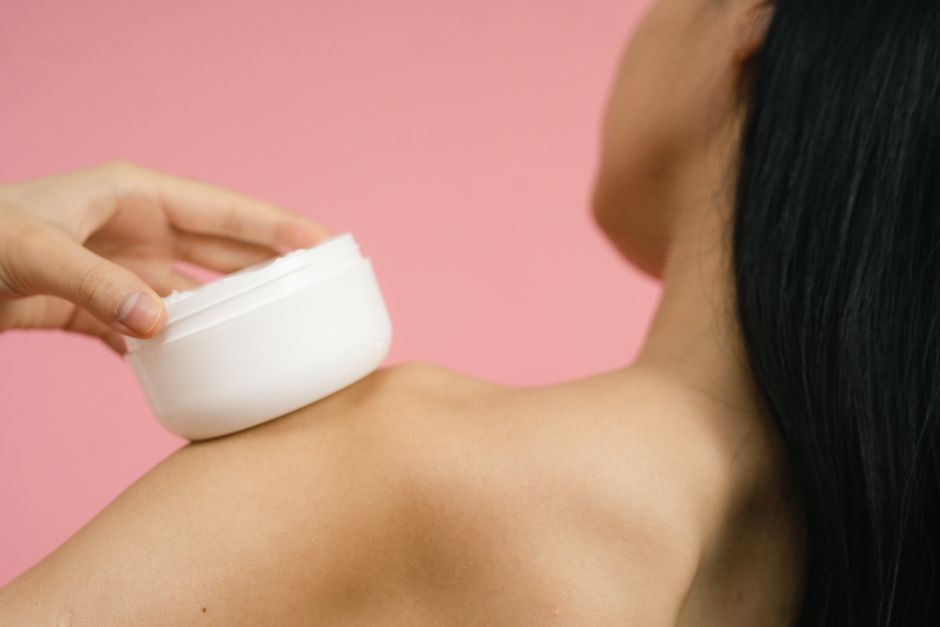
Making beef tallow for skin takes about two hours of mostly hands-off time. You melt suet or fat trimmings slowly, strain out the solid bits, and let the clean liquid fat cool into a white solid. The result is a simple, shelf-stable fat you can use on its own or blend into a balm. What it is not is a proven treatment for any skin condition — more on that below.
What Is Beef Tallow, Exactly?
Beef tallow is rendered fat from cattle. Rendering means heating fat slowly so it separates from water and protein, then straining the impurities out. The fat that remains is almost entirely triglycerides — a mix of saturated and unsaturated fatty acids.
For skin use, the starting material matters more than the method. Suet is the hard fat around the kidneys and loins. It is the most common choice for rendering because it is firm, low in moisture, and produces a mild, clean-smelling fat. Fat trimmed from other parts of the animal works too, but it often carries more blood and connective tissue, so it needs more careful straining.
One clarification worth making: tallow is not the same as marrow or bone broth fat. It is the rendered fat itself, not a byproduct of cooking meat. If you want a consistent starting point, ask a butcher for suet specifically.
How To Make Beef Tallow For Skin, Step By Step
The process is simple, but small choices affect the final texture and smell. Follow these steps in order.
- Start with cold fat. Chop suet into small pieces, roughly half an inch. Smaller pieces render faster and more evenly. Cold fat is easier to cut.
- Use low heat. Place the fat in a heavy pot or a slow cooker on its lowest setting. Add a small amount of water to the bottom to keep the fat from scorching before it melts. The water cooks off later.
- Let it melt slowly. Keep the heat low and stir occasionally. The fat will turn from solid to liquid over roughly one to two hours. You are not frying anything — if it sizzles or browns, the heat is too high.
- Watch for the cracklings. The solid pieces of protein and tissue, called cracklings, will shrink and float. When they are small, golden, and the liquid is mostly clear, rendering is done.
- Strain while hot. Pour the liquid through a fine mesh strainer lined with cheesecloth into a clean, dry glass jar. Strain twice if you see any sediment.
- Cool and check. Let the jar cool uncovered, then cover and refrigerate. The tallow should set into an off-white solid. If there is a layer of water or cloudy material at the bottom, re-melt and strain again.
- Store it properly. Keep the sealed jar in a cool, dark place or the refrigerator. Rendered fat is fairly stable, but heat and light speed up rancidity.
A clean batch should smell mild and faintly beefy, not strong or sour. If it smells off, discard it. That is a safety issue, not a preference.
What Equipment Do You Actually Need?
You do not need special tools. A heavy-bottomed pot or slow cooker, a fine mesh strainer, cheesecloth, a dry glass jar, and a knife are enough. A kitchen thermometer helps you keep the fat below a simmer, but it is optional.
Two practical notes. First, keep every utensil and jar completely dry when the hot fat goes in — water in hot fat spatters. Second, glass jars should be warm before you pour hot tallow into them, so they do not crack from a sudden temperature change.
Does Beef Tallow Actually Help Your Skin?
The evidence is thin. Beef tallow is a traditional skincare ingredient, and it is a reasonable emollient — it forms a layer on the skin surface that reduces water loss and can make skin feel softer. That much fits with what we know about how fats behave on skin.
What is missing is clinical research. No large human trials have confirmed that beef tallow treats eczema, acne, scarring, or any specific skin condition. Claims that it “heals” skin or works as a natural alternative to prescription treatments are not supported by studies. Tallow contains fatty acids and small amounts of vitamin E and vitamin A, but the amounts are modest and the skin’s ability to absorb them from a fat layer is not well established.
There is also a real risk of confusion here. Some people with sensitive skin react to beef-derived products. And tallow is not sterile — it is a rendered food fat, not a cosmetic-grade ingredient. For anyone with a diagnosed skin condition, tallow is not a substitute for treatment a clinician has recommended.
Who Should Be Careful With Beef Tallow?
People with known allergies to beef or dairy should avoid it. Anyone with acne-prone skin should test a small area first, since heavy fats can clog pores in some people. Those with eczema or rosacea may find rich fats soothing or irritating — it varies, and there is no reliable way to predict which way it will go for you.
Do not apply tallow to broken skin, open wounds, or areas of active infection. And if a rash, redness, or swelling appears after use, stop and see a clinician if it does not settle quickly. For children and infants, no clinical guidelines exist for using beef tallow on skin, so it is not a product to introduce without medical advice.
How Does Tallow Compare To Other Skin Fats?
Tallow sits in a category with other simple fats people use on skin — shea butter, cocoa butter, lanolin, and petroleum jelly. Each has a different feel and a different evidence base. Petroleum jelly has the strongest evidence for sealing in moisture and is widely recommended by dermatologists. Lanolin is well studied for nipple care during breastfeeding. Tallow has neither the research nor the regulatory standing of those products.
| Product | Main Use | Evidence Base |
|---|---|---|
| Petroleum jelly | Sealing moisture, barrier repair | Strong; widely recommended in clinical practice |
| Lanolin | Dry skin, breastfeeding nipple care | Well studied for specific uses |
| Shea butter | General emollient | Moderate; some clinical studies |
| Beef tallow | Traditional emollient | Limited; no large human trials |
None of this makes tallow useless. It makes it unproven. If you enjoy using it and your skin tolerates it, that is a personal choice. It is not a clinical recommendation.
How Should You Store And Use It?
Store rendered tallow in a sealed jar away from heat and light. Refrigeration extends shelf life, and a cool, dark cupboard is fine for shorter periods. Discard it if it develops a sharp, sour, or rancid smell, or if you see mold — which can happen if any moisture was trapped in the jar.
For use, start with a small amount on a small area of skin. A pea-sized amount is plenty for a patch test. Apply it as you would any balm, and wash your hands after. If you want a softer texture, some people blend tallow with a liquid oil, but that changes its stability and shelf life, so keep blends refrigerated and use them promptly.
Frequently Asked Questions
How long does homemade beef tallow last?
Properly strained tallow stored in a sealed jar away from heat and light typically keeps for several months, and refrigeration extends that. Discard it at the first sign of a rancid or sour smell.
Can I make beef tallow in a slow cooker?
Yes, a slow cooker on its lowest setting is one of the easiest and safest ways to render fat slowly. Keep the lid off or cracked so moisture can escape, and strain the liquid through cheesecloth when the cracklings are small and golden.
Is beef tallow good for eczema?
No clinical evidence confirms that beef tallow treats eczema. It may act as an emollient that reduces moisture loss, but it is not a substitute for treatment a clinician has recommended.
Can I use beef tallow on my face?
Some people do, but it is not proven for facial skin and heavy fats can clog pores in acne-prone people. Patch-test a small area first and stop if you notice breakouts or irritation.
