
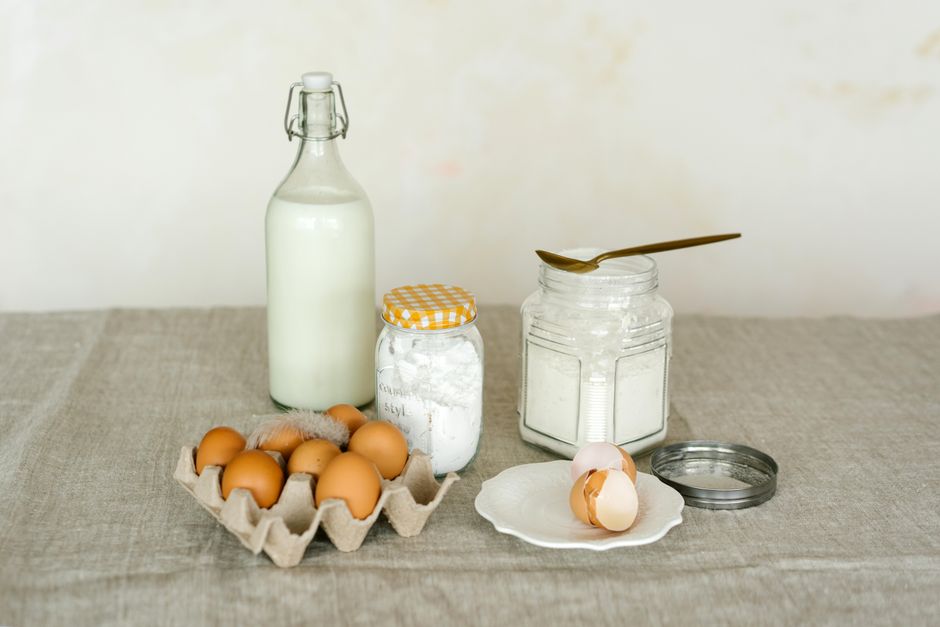
To make a baking soda and hydrogen peroxide paste, mix 2 parts baking soda with 1 part hydrogen peroxide (3% solution) until it forms a thick, spreadable consistency. For most uses, start with 2 tablespoons of baking soda and 1 tablespoon of hydrogen peroxide, then adjust the ratio if the paste is too dry or too runny. Stir until smooth and apply immediately.
What is baking soda and hydrogen peroxide paste used for?
People commonly use this paste for teeth whitening, household cleaning, and occasional skin applications. The baking soda acts as a mild abrasive while hydrogen peroxide provides bleaching and disinfecting properties. However, the evidence for each use differs significantly.
For teeth, some studies suggest that baking soda can help remove surface stains and that hydrogen peroxide can lighten tooth color. But the combination is not as controlled as professional whitening products, and overuse can damage enamel or irritate gums. For cleaning, the paste works well on grout, sinks, and other hard surfaces where you want a gentle scrub and some antimicrobial action. On skin, the evidence is limited and caution is warranted because hydrogen peroxide can harm healthy tissue.
How To Make Baking Soda And Hydrogen Peroxide Paste?
Start with a clean bowl or cup. Measure 2 tablespoons of baking soda and 1 tablespoon of 3% hydrogen peroxide. Mix them with a spoon until all the baking soda is moistened and the paste is uniform. The texture should be similar to toothpaste—not too runny and not crumbly.
If the paste is too dry, add hydrogen peroxide a few drops at a time. If it is too wet, add a little more baking soda. Use the paste right away because it can dry out or lose potency within minutes. Do not store the mixed paste. If you need more later, make a fresh batch. Hydrogen peroxide decomposes quickly when exposed to light and air, so the paste is most effective when freshly made.
Only use 3% hydrogen peroxide—the standard concentration sold in drugstores. Higher concentrations (like 6% or 12%) can burn skin and damage enamel. Never use food-grade hydrogen peroxide (which is often 35%) on your body. It is dangerously strong and requires careful dilution.
Can this paste whiten teeth safely?
Research shows that baking soda can help remove surface stains, and low-concentration hydrogen peroxide has some bleaching effect. Studies published in dental journals have found that toothpastes containing both ingredients can lighten teeth over several weeks of regular use.
However, this homemade paste is not the same as commercial whitening products. It lacks the stabilizing agents and controlled pH that protect tooth enamel. Using it too often or scrubbing too hard can wear down enamel and make teeth sensitive. It can also irritate gums if left in contact too long.
If you choose to use the paste on your teeth, limit it to once or twice per week and only for a few minutes per session. Rinse thoroughly afterward and do not swallow the mixture. A better option is to ask your dentist about professional whitening or ADA-approved whitening products. No clinical guidelines exist for homemade whitening pastes, so proceed with caution.



Can this paste be used on skin or wounds?
Using baking soda and hydrogen peroxide paste on skin is common in DIY remedies, but the safety and effectiveness are poorly supported by evidence. For minor acne spots or blackheads, some people use it as a spot treatment. The hydrogen peroxide can kill bacteria on the surface, but it can also damage the skin barrier and cause irritation, redness, or peeling.
On open wounds or cuts, hydrogen peroxide is no longer recommended by most medical authorities. Research consistently shows that hydrogen peroxide can damage healthy tissue and slow wound healing. It also does not prevent infection better than simple soap and water or saline. The American Academy of Dermatology advises against using hydrogen peroxide on wounds.
For skin application, a safer alternative is to use plain baking soda paste (with water) as a gentle exfoliant, but even then, avoid broken skin. If you want to use the hydrogen peroxide paste on your face, test a small area first and discontinue if irritation occurs. No reliable studies confirm that this paste is effective for long-term skin conditions like acne, eczema, or hyperpigmentation.
Are there any risks or precautions?
Yes. The main risks come from improper use or using the wrong concentration. Never ingest the paste. It can cause stomach irritation or vomiting. Keep it away from eyes—if contact occurs, rinse with plenty of water for 15 minutes and seek medical help if irritation persists.
For teeth, avoid using the paste more than a few times a week. If you have sensitive teeth, gum disease, or enamel erosion, do not use it without talking to your dentist first. For cleaning, the paste is generally safe on hard non-porous surfaces, but test on an inconspicuous area first because some materials (like colored grout) may bleach or discolor.
Baking soda and hydrogen peroxide can produce an exothermic reaction when mixed, meaning the paste will warm up slightly. This is normal. If it gets too hot to hold, discard it and make a new batch with less hydrogen peroxide. Store hydrogen peroxide in its original dark bottle away from light and heat. It loses its effectiveness over time, so check the expiration date.
Pregnant women, children, and people with chronic illnesses should not use this paste for any internal or wound-related purpose. Always consult a healthcare provider before starting any new treatment, especially for medical uses.
How does this paste compare to commercial alternatives?
Commercial teeth whitening products are regulated and tested for safety and efficacy. They often contain carbamide peroxide or hydrogen peroxide in concentrations from 3% to 10%, along with desensitizing agents and pH buffers. The homemade paste is uncontrolled—you do not know the exact pH or how much active whitening ingredient reaches your teeth.
For cleaning, baking soda and hydrogen peroxide paste is a cost-effective option that performs similarly to mild abrasive cleansers. It is not as strong as bleach-based cleaners for killing certain pathogens, but it can handle light stains and mildew. However, it can also damage some surfaces like aluminum or unsealed stone if left too long.
For skin use, over-the-counter acne treatments with benzoyl peroxide or salicylic acid have stronger evidence for effectiveness. The homemade paste is not a replacement for products with proven active ingredients and controlled formulations.
Frequently Asked Questions
How long should I leave baking soda and hydrogen peroxide paste on my teeth?
Leave it on for no more than 2 to 3 minutes. Rinse thoroughly afterward. Leaving it longer increases the risk of enamel erosion and gum irritation without additional whitening benefit.
Can I use this paste to clean my kitchen?
Yes, it works well on sinks, countertops, and stovetops for gentle scrubbing and disinfecting. Rinse surfaces with water after cleaning to remove residue.
Is it safe to use baking soda and hydrogen peroxide paste on my face?
Not generally recommended. It can irritate skin and disrupt the skin barrier. If you want to try it, use it no more than once a week on a small area and stop if redness or peeling occurs.
Can I store the paste for later use?
No. The mixture loses its effectiveness within minutes because hydrogen peroxide decomposes rapidly. Make a fresh batch each time you need it.
