
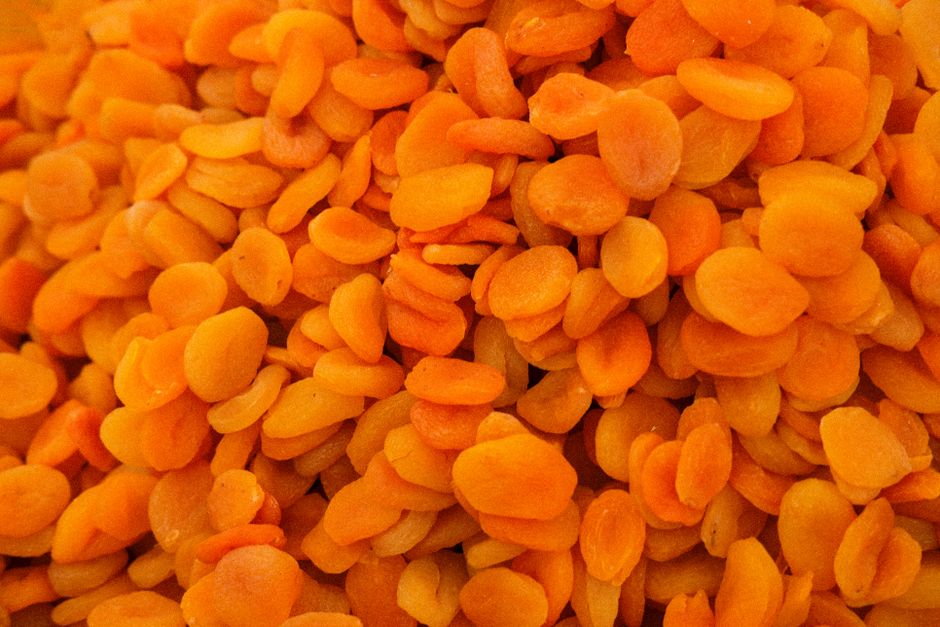
Making apricot kernel oil at home means extracting oil from the kernels inside apricot pits, usually by pressing them after drying. The safety part matters more than the process. Bitter apricot kernels contain a compound that releases cyanide when eaten or chewed, so the kernels must never be eaten raw and the oil must be handled with that risk in mind. Cold-pressing clean, dried kernels yields a light oil for skin and hair use — not for cooking or eating.
What Is Apricot Kernel Oil, and Is It Safe to Make at Home?
Apricot kernel oil is a light, mild oil pressed from the seeds of apricots. It is used mostly in skin care and cosmetics, and it is generally sold as a cosmetic oil rather than a food oil.
The safety question comes down to one thing: the kernels themselves. Apricot kernels contain a compound called amygdalin. When the kernel is crushed, chewed, or digested, amygdalin breaks down and releases hydrogen cyanide, which is toxic.
There are two types of apricot kernels. Sweet kernels contain very little amygdalin. Bitter kernels contain much more. The exact amount varies from kernel to kernel and from batch to batch, so you cannot tell by looking how much cyanide a given kernel could release.
This is why the safety advice is firm: do not eat apricot kernels, and do not treat homemade apricot kernel oil as a food or supplement. The oil is for external use. That is the honest, evidence-based position.
How To Make Apricot Kernel Oil Safely At Home
The safest home method is a simple cold press of clean, dried kernels, followed by filtering and storing the oil in a cool, dark place. Here is the process step by step.
1. Gather and clean the kernels
Crack apricot pits to remove the kernels inside. Rinse them and remove any bits of shell or pit material. Discard any kernels that are moldy, soft, or smell off.
2. Dry the kernels thoroughly
Spread the kernels in a single layer and let them dry completely. Moisture is the enemy of oil quality — wet kernels can grow mold and spoil the oil. Dry them in a warm, airy spot or a low oven, but do not roast them at high heat, which can affect the oil.
3. Grind or crush the kernels
Crush the dried kernels into small pieces. A food processor or a mortar and pestle works. Smaller pieces release more oil when pressed.
4. Press the oil out
Press the crushed kernels to extract the oil. A home oil press gives the best yield. Without one, you can press small amounts by hand using a clean cloth and firm, steady pressure, though the yield will be low. Warm the crushed kernels slightly (not hot) to help the oil flow more freely.
5. Filter the oil
Strain the pressed oil through a fine mesh, cheesecloth, or coffee filter to remove solids. Let it settle, then filter again for a clearer oil.
6. Store it properly
Pour the oil into a clean, dry, dark glass bottle. Keep it in a cool, dark place. Apricot kernel oil is not especially resistant to going rancid, so use it within a few months and check for an off smell before each use.
One thing worth knowing: home pressing will not remove amygdalin or its breakdown products. The oil itself generally contains little of the cyanide-releasing compound compared with the whole kernel, but the process does not make the kernel safe to eat. Keep the oil for skin use only.
Is Homemade Apricot Kernel Oil Safe to Eat or Cook With?
No. Homemade apricot kernel oil should not be eaten or used for cooking. The same caution applies to most apricot kernel oil sold for cosmetic use.
The concern is cyanide. Eating apricot kernels has caused cyanide poisoning, and health agencies have warned against it. The amount of amygdalin in a kernel is unpredictable, so there is no reliable “safe” number of kernels to eat. Because home pressing does not remove the compound, treating the oil as a food carries real risk with no reliable way to measure it.
Some products marketed as “vitamin B17” or “laetrile” are built around amygdalin. These are not recognized cancer treatments. Major health authorities have not approved laetrile for treating cancer, and it carries a risk of cyanide toxicity. Claims that apricot kernels or their oil treat or prevent disease are not supported by reliable evidence.
If you want an oil for cooking, use a food-grade oil intended for that purpose. Apricot kernel oil is a cosmetic and skin-care oil.
What Are the Real Risks of Working With Apricot Kernels?
The main risk is cyanide exposure, and it comes from the kernels, not usually from the finished oil. Knowing where the danger sits helps you handle the process sensibly.
- Eating kernels: This is the biggest risk. Chewing or swallowing kernels releases cyanide. Do not snack on them, and keep them away from children and pets.
- Handling and crushing: Crushing many kernels releases small amounts of cyanide gas. Work in a ventilated space and avoid breathing in dust from crushed kernels.
- Bitter versus sweet kernels: Bitter kernels carry far more amygdalin. If you are unsure which type you have, treat them as the higher-risk kind.
- Children and pets: They are more vulnerable to cyanide. Keep all kernels and the pressing area out of reach.
Symptoms of cyanide poisoning can include headache, dizziness, confusion, nausea, rapid breathing, and in serious cases loss of consciousness. If someone eats apricot kernels and develops symptoms, treat it as an emergency and seek immediate medical help.
For skin use, the finished oil is generally well tolerated, but any new oil can cause irritation or an allergic reaction in some people. Test a small amount on a patch of skin first.
How Does Homemade Apricot Kernel Oil Compare With Store-Bought?
Store-bought cosmetic apricot kernel oil is usually more consistent and often safer to handle than a home-pressed batch. Commercial producers control the kernel source, the pressing, and the filtering, and they test for quality.
Home pressing gives you control over the process and can be satisfying, but it comes with more variables. Kernel type, drying, cleanliness, and storage all affect the final oil. A home batch is also more likely to spoil faster if it is not filtered and stored well.
Here is a simple comparison of the two:
| Factor | Homemade oil | Store-bought cosmetic oil |
|---|---|---|
| Consistency | Varies batch to batch | More uniform |
| Kernel source control | Depends on you | Controlled by producer |
| Risk of spoilage | Higher if poorly stored | Lower, with proper packaging |
| Cost | Lower per batch, more effort | Higher, but convenient |
| Intended use | Skin and hair only | Skin and hair only |
Neither version is a food oil. The comparison is about handling and quality, not about making the oil edible.
How Should You Store and Use Apricot Kernel Oil?
Store apricot kernel oil in a sealed, dark glass bottle in a cool, dark place, and use it within a few months for the best quality. Light, heat, and air speed up spoilage.
For skin use, a few drops massaged into the skin works well. It is light and absorbs fairly quickly, which is why it shows up in many skin-care products. It can be used on its own or blended with other cosmetic oils.
Check the oil before each use. A rancid oil smells sharp or “off” and should be thrown out. Rancid oil can irritate skin.
If you have sensitive skin, eczema, or a history of reactions to nut or seed oils, patch-test first and stop if you notice redness, itching, or swelling. People with a known apricot or related-fruit allergy should be especially cautious.
Frequently Asked Questions
Can you eat homemade apricot kernel oil?
No. Homemade apricot kernel oil should not be eaten or used for cooking because the kernels contain a compound that releases cyanide. Keep it for external skin and hair use only.
Are apricot kernels toxic?
Yes, apricot kernels contain amygdalin, which releases hydrogen cyanide when chewed or digested, and bitter kernels contain much more than sweet ones. Eating them has caused cyanide poisoning, so they should not be eaten.
Does pressing apricot kernels remove the cyanide?
No. Home pressing does not reliably remove amygdalin or its breakdown products, so the oil is not made safe to eat by pressing it. Treat all homemade apricot kernel oil as a cosmetic product.
What is the easiest way to make apricot kernel oil at home?
The easiest method is to dry clean kernels, crush them, press out the oil with a home oil press, then filter and bottle it. Work in a ventilated space and keep the kernels away from children and pets.
