
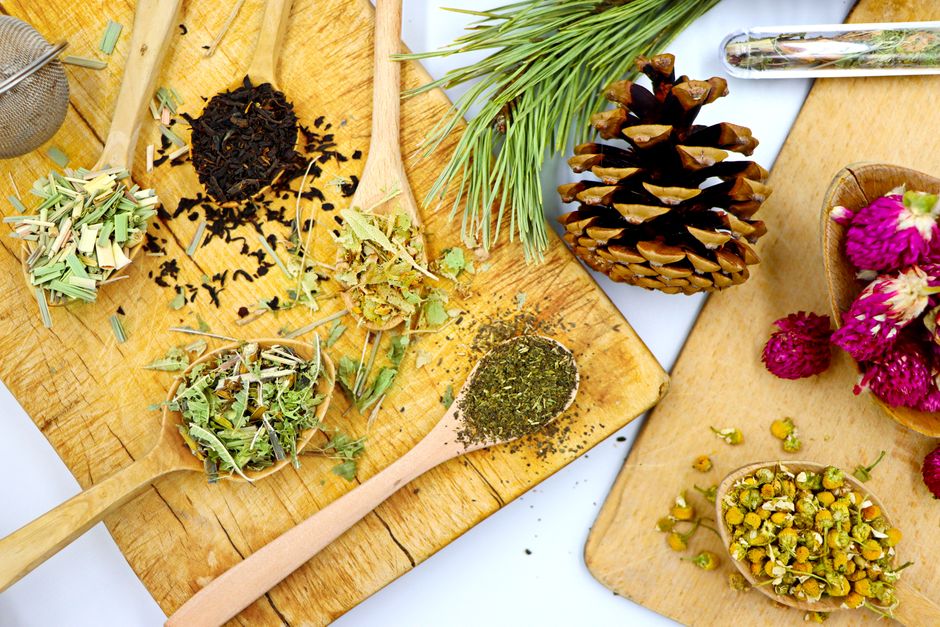
An infusion is a simple way to draw beneficial compounds out of plant material using a liquid. You can use hot water for a fast extraction, cold water for a slower and gentler process, or oil to pull fat-soluble components from herbs. The method you choose changes what ends up in your final product, so the right approach depends on your goal.
What Is an Infusion and How Does It Work?
An infusion is different from a decoction. During an infusion, plant material sits in liquid that is already hot, cold, or at room temperature. A decoction involves simmering the plant material directly in boiling water. Infusions work best for delicate plant parts like leaves and flowers. Decoctions are better for tough roots, bark, and seeds.
The liquid pulls compounds out of the plant through a process called extraction. Water extracts water-soluble compounds, while oil extracts oil-soluble ones. The temperature of the liquid changes how fast extraction happens and which compounds survive the process. Heat speeds up extraction, but it can also destroy heat-sensitive compounds. Cold extraction takes longer but preserves more delicate chemistry.
Most people make infusions for tea, herbal preparations, or cooking. The same basic principle applies across all of them. You are simply soaking plant material in a liquid to transfer flavor, color, or active compounds into that liquid.
How To Make a Hot Infusion
A hot infusion is the most common method. This is how most people make herbal tea. The heat speeds up the extraction process, pulling flavors and compounds into the water within minutes.
To make a hot infusion, start with one to two teaspoons of dried herb per cup of water. If you are using fresh herbs, use about twice as much because fresh plant material contains water that dilutes the concentration. Place the herb in a mug or teapot and pour boiling water over it.
Cover the vessel. This matters because many volatile compounds escape with steam. A lid traps them so they stay in your cup. Let it steep for five to ten minutes for most leaves and flowers. Longer steeping produces a stronger infusion, but it can also release more bitter compounds from some plants.
Strain the liquid and drink it warm. Hot infusions are quick and practical, but they are not ideal for every plant. Some compounds degrade at high temperatures. If you want to preserve those, a cold infusion is a better choice.
How To Make a Cold Infusion
A cold infusion uses room-temperature or cold water and a much longer steeping time. The process takes hours instead of minutes, but it extracts different compounds than hot water does. Some vitamins and enzymes break down with heat, and cold water preserves them.
To make a cold infusion, combine one to two teaspoons of dried herb with one cup of cold or room-temperature water. Use a glass jar with a tight-fitting lid. Shake it briefly to wet all the plant material, then place it in the refrigerator.
Let it steep for eight to twelve hours. Overnight is the most practical approach for most people. Strain it in the morning and drink it cold or at room temperature. The resulting liquid is usually lighter in color and milder in flavor than a hot infusion from the same herb.
Cold infusions are common for herbs with mucilage, a thick gel-like substance. When mucilage hits hot water, it can become slimy and clumpy. Cold water keeps it smooth and palatable. Some herbalists also prefer cold infusions for plants with delicate aromatic oils that evaporate or change with heat.





How To Make an Oil Infusion
Oil infusions work on a completely different principle. Water pulls water-soluble compounds, but many plant constituents dissolve only in oil. These include fat-soluble vitamins and certain aromatic compounds. An oil infusion captures those.
To make an oil infusion, you need dried plant material and a carrier oil. Common carrier oils include olive oil, sunflower oil, and jojoba oil. Drying the plant material is important because water in fresh herbs can cause the oil to spoil or grow bacteria. Use fully dried plant material to be safe.
Place the dried herb in a clean, dry glass jar. Cover it completely with oil, leaving about an inch of space at the top. Make sure all plant material is submerged. Stir with a clean spoon to release air bubbles. Seal the jar tightly.
There are two ways to infuse oil. The slow method involves placing the sealed jar in a warm, sunny spot for two to six weeks. Shake it daily. The faster method uses low heat. Place the jar in a slow cooker or a pot of warm water and keep the oil between 100°F and 140°F for four to six hours. Do not let the oil get too hot, because high heat can damage the oil itself.
After infusing, strain the oil through a fine mesh strainer lined with cheesecloth or a coffee filter. Squeeze the cloth to get all the oil out. Store the finished oil in a clean glass bottle in a cool, dark place. Properly made oil infusions can last several months if stored correctly.
Which Method Should You Choose?
The best method depends on what you want from the plant. Hot infusions are fast and good for everyday teas. They work well for common herbs like peppermint, chamomile, and ginger. If you want a quick drink with familiar flavor, hot infusion is the standard choice.
Cold infusions are better when you want to preserve heat-sensitive compounds. They also produce a smoother texture for herbs that become slimy in hot water. Use cold infusion for plants like marshmallow root or slippery elm bark, where mucilage is part of the point.
Oil infusions serve a different purpose entirely. They are not for drinking. Oil infusions are used topically on the skin or as a base for salves and balms. If you want to make a skincare product with herbs like calendula or lavender, an oil infusion is the correct method.
Some people combine methods. You can make a hot water infusion and then mix it into an oil infusion for different purposes. But for most home use, one method will clearly fit your goal better than the others.
Common Mistakes and How To Avoid Them
The most common mistake is using fresh herbs in an oil infusion. Fresh plant material contains water, and water in oil creates an environment where bacteria and mold can grow. Always dry herbs completely before oil infusing them.
Another mistake is steeping hot infusions too long. Some herbs release increasing amounts of bitter compounds the longer they steep. If your tea tastes harsh or unpleasant, reduce the steeping time next time. Five minutes is enough for most delicate leaves.
People also skip the lid on hot infusions. Without a lid, volatile aromatic compounds escape into the air. You lose both flavor and potentially beneficial compounds. Covering your cup or pot is a simple step that meaningfully improves the result.
For cold infusions, the main mistake is not steeping long enough. A cold infusion needs hours, not minutes. If you only steep for thirty minutes, you will get a weak, watery result. Plan ahead and let it sit overnight.
Finally, do not reuse plant material. After one infusion, most of the extractable compounds are already in the liquid. A second infusion will be noticeably weaker. Start fresh each time.
How Long Do Infusions Last?
Water infusions do not keep long. A hot or cold infusion should be refrigerated and used within one to two days. After that, the risk of bacterial growth increases. If it looks cloudy, smells off, or develops a slimy texture, discard it.
Oil infusions last much longer because oil does not support bacterial growth the way water does. Stored in a cool, dark place, a properly made oil infusion can last several months. If you add essential oils or vitamin E, you may extend the shelf life further, but those additions are not a substitute for good preparation. Check oil infusions periodically for any off smell or visible mold, and discard them if anything looks wrong.
Frequently Asked Questions
Can you use fresh herbs for oil infusions?
No, fresh herbs contain water that can cause mold and spoilage in oil. Use fully dried plant material for oil infusions.
How long should you steep a cold infusion?
A cold infusion needs eight to twelve hours in the refrigerator. Steeping overnight is the most practical approach.
What is the best oil to use for herbal infusions?
Olive oil and sunflower oil are common choices because they are stable and widely available. Jojoba oil is a good option for skincare infusions.
Can you drink oil infusions?
Oil infusions are intended for topical use on the skin, not for drinking. They are used as a base for salves, balms, and massage oils.
