
Making an ashwagandha tincture at home is a straightforward process that takes about four to six weeks from start to finish. You need dried ashwagandha root, high-proof alcohol, a glass jar, and time. The basic method involves steeping the root in alcohol, shaking it daily, and straining it after a month. This guide walks through each step clearly and explains what the research actually says about ashwagandha so you can decide if a homemade tincture is right for you.
What Is Ashwagandha and How Does a Tincture Work?
Ashwagandha is an herb used for centuries in Ayurvedic medicine. The root of the plant contains compounds called withanolides, which researchers believe are responsible for most of its biological effects. Studies have examined ashwagandha for stress reduction, sleep quality, and anxiety, with some showing modest benefits.
A tincture is simply a concentrated liquid extract. Alcohol pulls the active compounds out of plant material and preserves them. The alcohol acts as both a solvent and a preservative, which is why tinctures last for years when stored properly. Unlike teas or powders, tinctures deliver the plant compounds in a form the body absorbs quickly under the tongue or when added to a drink.
Alcohol is the most effective solvent for extracting withanolides. Water alone does not extract these compounds as efficiently. For this reason, most commercial ashwagandha tinctures use a high-proof alcohol base rather than glycerin or vinegar.
What Ingredients and Equipment Do You Need?
Gather these items before you start. Most are available at grocery stores, pharmacies, or online herb suppliers.
- Dried ashwagandha root — about 1 cup (roughly 100 grams)
- High-proof alcohol — vodka at 80 to 100 proof works well. Everclear or another grain alcohol at 190 proof extracts more efficiently but requires careful dilution before use.
- A glass jar with a tight-fitting lid — a pint or quart mason jar works perfectly
- Cheesecloth or a fine mesh strainer
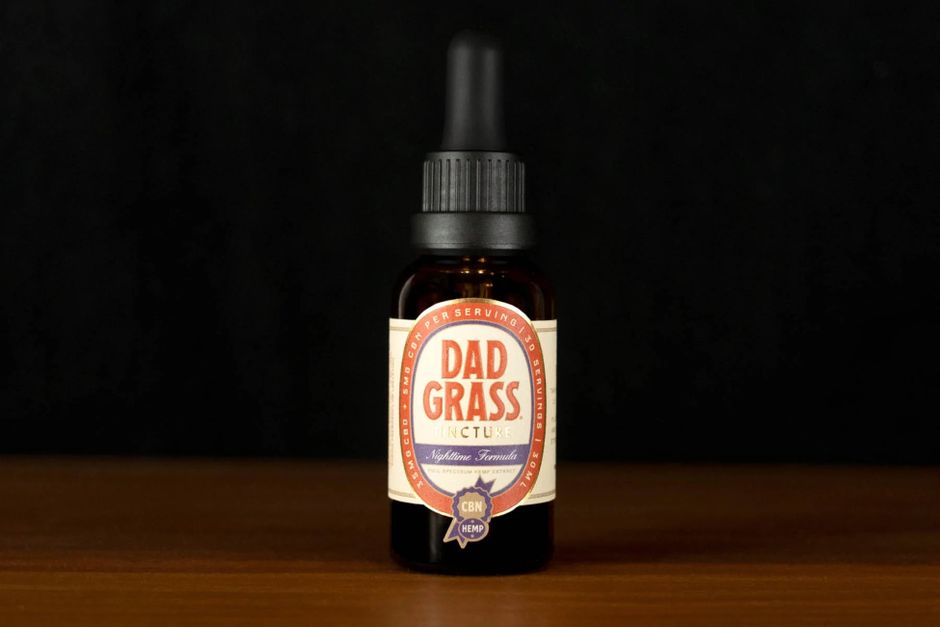
- A dark glass dropper bottle for storing the finished tincture
- A kitchen scale if you want precise measurements
The root should be dried and ideally cut or powdered. Whole roots take longer to extract. Cut-and-sifted root is the standard choice for home tinctures because it offers a good balance between surface area and ease of straining. Powdered root extracts faster but produces cloudier tinctures that are harder to strain completely.
Choose organic ashwagandha root when possible. This reduces the risk of pesticide residues and ensures you are working with a clean product. Reputable herb suppliers provide testing information about their products, which adds confidence about what you are consuming.
How To Make An Ashwagandha Tincture Step By Step
The process follows a simple principle: combine the root with alcohol, wait, and strain. Here is the full method.
Step 1: Prepare the jar and root. Fill your glass jar about halfway with dried ashwagandha root. If you are using a scale, aim for a 1:5 ratio of root to alcohol by weight. That means 100 grams of root to 500 milliliters of alcohol. This ratio is common in herbal medicine practice, though variations exist.
Step 2: Add the alcohol. Pour the alcohol over the root until it is completely submerged. Leave about an inch of headspace at the top of the jar. The root will absorb some liquid, so check after a few hours and add more alcohol if the root is no longer covered.
Step 3: Seal and label the jar. Close the lid tightly. Write the date and contents on a piece of masking tape. This matters more than it seems — you will not remember exactly when you started in three weeks.
Step 4: Store in a cool, dark place. A kitchen cabinet away from the stove or a pantry shelf works well. Light and heat degrade the active compounds over time.
Step 5: Shake daily. Give the jar a good shake once per day. This keeps the plant material in contact with the alcohol and helps the extraction proceed evenly. Set a daily reminder on your phone if you are prone to forgetting.
Step 6: Wait four to six weeks. The extraction process takes time. Some herbalists recommend a minimum of four weeks. Six weeks produces a slightly stronger tincture. There is no benefit to going much beyond eight weeks.
Step 7: Strain the mixture. Line a fine mesh strainer with cheesecloth and place it over a clean bowl or measuring cup. Pour the mixture through. Gather the cheesecloth around the root material and squeeze firmly to extract the remaining liquid. The root material can be composted.
Step 8: Bottle and store. Pour the strained liquid into a dark glass dropper bottle. Amber or cobalt blue bottles protect the tincture from light degradation. Label the bottle with the contents and date. Stored away from light and heat, the tincture can remain potent for several years.



How Do You Take an Ashwagandha Tincture?
Tinctures are taken in small doses measured in drops or fractions of a milliliter. A typical dose ranges from 1 to 4 milliliters taken once or twice daily. One milliliter is roughly 20 to 30 drops depending on the dropper.
Place the drops under your tongue and hold them there for 30 seconds before swallowing. This allows some absorption through the mucous membranes. You can also add the tincture to water, tea, or juice if you dislike the taste. Ashwagandha root has a bitter, earthy flavor that some people find unpleasant.
No official dosing guidelines exist for homemade ashwagandha tinctures. The potency depends on the quality of the root and the extraction method. Commercial products standardize their withanolide content, but homemade tinctures cannot guarantee a specific concentration. Start with a low dose and observe how your body responds before increasing.
Clinical trials of ashwagandha have mostly used standardized extracts in capsule form rather than tinctures. Doses in those studies typically ranged from 300 to 600 milligrams of extract daily. Because tinctures are liquid and variable in potency, direct comparison to these study doses is not reliable.
What Does the Evidence Say About Ashwagandha Benefits?
Research on ashwagandha focuses primarily on stress, anxiety, and sleep. Several randomized controlled trials have reported reductions in perceived stress and cortisol levels compared to placebo. Some studies have also found modest improvements in sleep quality, particularly in people who report poor sleep.
The evidence is not uniformly strong. Many studies are small, short-term, and funded by supplement manufacturers. Results vary across trials, and the optimal dose and preparation method remain unclear. Some research suggests benefits, but the overall quality of the evidence is moderate at best.
One finding appears more consistently across studies: ashwagandha is generally well tolerated. Side effects are usually mild and include digestive upset, drowsiness, or headache. Serious adverse events are rare in clinical trials, though long-term safety data beyond several months of use is limited.
Some marketing claims go beyond the evidence. Ashwagandha is not a cure for anxiety disorders, depression, or chronic insomnia. It does not replace established treatments for these conditions. If you are managing a diagnosed mental health condition, talk to your doctor before adding ashwagandha to your routine.
Who Should Avoid Ashwagandha?
Certain groups should exercise caution with ashwagandha. Pregnant women should avoid it because some animal studies suggest it may stimulate uterine contractions. No clinical guidelines currently exist for ashwagandha use during pregnancy, which itself is a reason to avoid it.
People with autoimmune conditions such as lupus, rheumatoid arthritis, or multiple sclerosis should consult their doctor first. Ashwagandha may stimulate immune activity, which could theoretically worsen these conditions. The evidence here is limited, but the theoretical risk warrants caution.
Ashwagandha can interact with certain medications. It may enhance the effects of sedatives, thyroid medications, and drugs that suppress the immune system. It can also lower blood sugar and blood pressure, so people taking medication for diabetes or hypertension should monitor their levels closely if they choose to use it.
People with thyroid conditions need particular caution. Ashwagandha may increase thyroid hormone levels. One study found that it increased thyroid-stimulating hormone levels in people with subclinical hypothyroidism. If you take thyroid medication, discuss ashwagandha with your doctor before using it.
Anyone scheduled for surgery should stop taking ashwagandha at least two weeks beforehand. The herb may interfere with blood sugar control during and after the procedure.
Is a Homemade Tincture as Good as a Commercial Product?
Homemade tinctures offer control over ingredients and cost savings, but they have limitations. Commercial products are tested for potency and standardized to contain a specific amount of withanolides. A homemade tincture has unknown potency because the root’s withanolide content varies naturally depending on growing conditions, harvest time, and processing.
Another consideration is consistency. Each batch of homemade tincture will differ slightly from the last. If you find a dose that works for you, the next batch may be slightly stronger or weaker. Commercial products address this through quality control testing.
The extraction method itself is sound. Alcohol extraction of ashwagandha root is a traditional and effective way to capture the plant’s active compounds. A properly made homemade tincture will contain withanolides. You just cannot know exactly how much.
If you choose to make your own, buy root from a supplier that provides certificate of analysis data. This document confirms the product contains what it claims and is free of contaminants. It does not guarantee a specific withanolide percentage, but it does confirm the product is authentic ashwagandha root.
Frequently Asked Questions
How long does an ashwagandha tincture take to make?
The extraction process takes four to six weeks from start to finish. Most of that time is passive steeping, requiring only a daily shake of the jar.
What alcohol is best for making an ashwagandha tincture?
Vodka at 80 to 100 proof is the most common choice because it is widely available and extracts effectively. Higher-proof grain alcohol extracts more efficiently but produces a harsher-tasting tincture that may need dilution.
Can I use ashwagandha powder instead of root?
Yes, but powder produces a cloudier tincture that is harder to strain completely. Cut-and-sifted root is easier to work with and produces a cleaner final product.
How long does a homemade ashwagandha tincture last?
Stored in a dark glass bottle away from light and heat, a homemade tincture can remain potent for several years. The high alcohol content acts as a preservative.
