
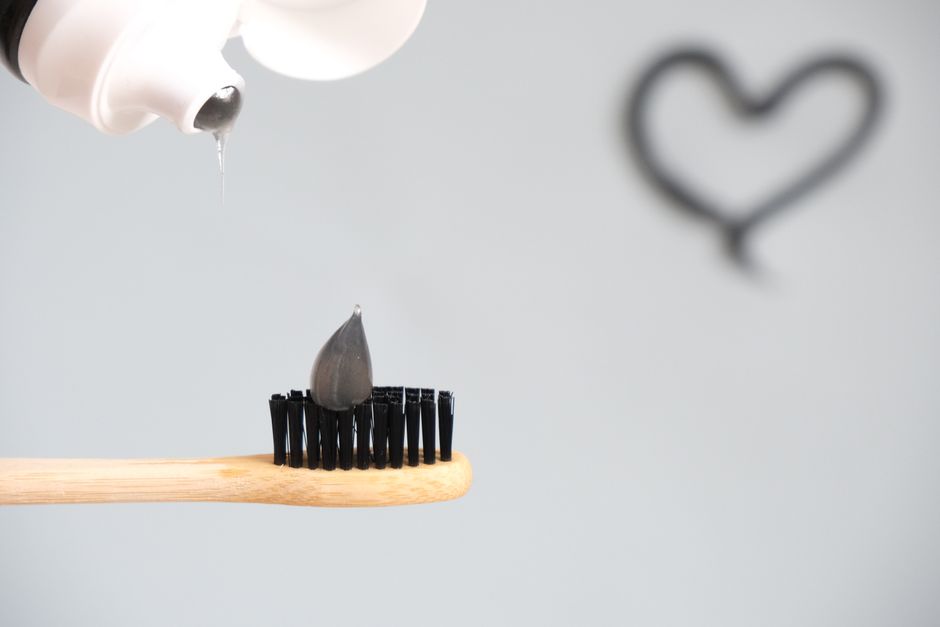
You can make activated charcoal toothpaste at home by mixing a small amount of activated charcoal powder with a carrier such as coconut oil or water and a pinch of baking soda. That gives you the basic recipe. The more important answer, though, is whether you should put it in your mouth at all. Dental organizations have raised real concerns about charcoal toothpaste, and the evidence for its benefits is thin. Here is how the homemade version works, what it can and cannot do, and where the genuine risks sit.
What Is the Basic Recipe for Activated Charcoal Toothpaste?
A simple homemade version uses three ingredients in roughly equal small parts. There is no official or clinically validated formula, so treat any recipe — including this one — as a starting point rather than a standard.
A common approach:
- About one part activated charcoal powder (food or cosmetic grade)
- About one part coconut oil, or enough to reach a paste texture
- A small pinch of baking soda for gentle abrasion
Mix until it forms a thick paste. Some people add a drop of peppermint oil for taste. Make only a small batch, since homemade pastes have no preservatives and can grow bacteria if kept too long. A fresh batch every few days is safer than storing it for weeks.
One thing worth knowing: activated charcoal is not the same as the charcoal in your barbecue. Activated charcoal is treated at high heat to create millions of tiny pores, which is what gives it its absorbent properties. Regular charcoal has none of that structure and is not safe to put in your mouth.
Does Charcoal Toothpaste Actually Whiten Teeth?
There is no strong clinical evidence that charcoal toothpaste whitens teeth better than regular toothpaste. The whitening claims rest mostly on the abrasive action of the powder, not on any special property of charcoal.
When you scrub with an abrasive, you can remove some surface stains from coffee, tea, or tobacco. That is a mechanical effect. It is the same principle as polishing, and it does not change the intrinsic color of the tooth. Real whitening — the kind that lightens the tooth from the inside — requires peroxide-based products, which charcoal does not contain.
Some research suggests charcoal’s well-known ability to bind substances (the same property used in poison control) might trap stains, but that has not been shown to translate into whiter teeth in the mouth. The evidence is limited. No large human trials have confirmed a whitening benefit from charcoal toothpaste.
This is where a lot of marketing gets ahead of the science. A product can look like it works because it is black and abrasive, without any controlled study showing it outperforms fluoride toothpaste.
What Are the Risks of Using Charcoal on Your Teeth?
The main concern is abrasion. Charcoal powder is abrasive, and scrubbing it against tooth enamel repeatedly can wear the outer layer down over time. Enamel does not grow back.
Once enamel thins, the yellowish dentin underneath becomes more visible — which can actually make teeth look more yellow, the opposite of the goal. Worn enamel also raises the risk of sensitivity and decay.
A second concern is what charcoal toothpaste leaves out. Most homemade versions contain no fluoride. Fluoride is the ingredient with the strongest evidence for preventing cavities, and skipping it means giving up that protection.
There is also a staining question. Charcoal particles can lodge in gum pockets, around crowns, or in the crevices of restorations, and some dentists report a grayish tint left behind. If you have fillings, crowns, or veneers, the abrasiveness is a particular concern because these materials can be scratched or dulled.
People with exposed roots, receding gums, or sensitive teeth should be especially cautious. The evidence here is not about rare events — it is about a plausible, cumulative wear effect that is hard to reverse.
Can Charcoal Toothpaste Damage Enamel Permanently?
Repeated use of an abrasive powder can contribute to enamel wear, and enamel loss is permanent. The key word is “can” — the effect depends on how abrasive the product is, how hard you brush, and how often.
Dental researchers measure abrasiveness using a value called RDA (radioactive dentin abrasion). Toothpastes are generally considered safe for everyday use below a certain RDA level, and highly abrasive products sit above it. Some charcoal toothpastes have been measured at higher abrasiveness than conventional toothpaste, though values vary widely by product and there is no single figure for homemade versions.
The honest position: a one-off use is unlikely to cause harm. Regular, vigorous use over months is where the risk builds. If you have any history of enamel erosion, acid reflux, or gum recession, the margin for error is smaller.
Should You Skip Fluoride If You Use Charcoal?
No — dropping fluoride is the part of the charcoal trend with the clearest downside. Fluoride has decades of evidence behind it for reducing cavities, and no charcoal product has been shown to replace that benefit.
If you want to use charcoal occasionally for stain removal, one approach some people take is using it as an occasional supplement to a fluoride toothpaste rather than a replacement. That said, this is a personal choice, not a clinically established recommendation. No guideline currently endorses charcoal toothpaste as part of a routine.
The American Dental Association has not awarded its Seal of Acceptance to charcoal toothpastes, largely because of unanswered questions about abrasiveness and the absence of fluoride in many products. That is a meaningful signal about where the professional consensus sits.
What Is a Safer Way to Whiten Your Teeth?
The most reliable route to whiter teeth is a professional cleaning followed by a dentist-supervised whitening treatment, or an over-the-counter peroxide-based product used as directed. These have actual evidence behind them.
For everyday stain control, the basics do more than most people realize:
- Brush twice a day with a fluoride toothpaste
- Limit coffee, tea, red wine, and tobacco
- Rinse with water after staining drinks
- Get regular professional cleanings to remove surface stains
If surface stains are your main concern, a routine dental cleaning removes much of what charcoal is marketed to fix — safely, and without wearing down enamel. That is a point worth sitting with: the thing charcoal promises is often already available through ordinary dental care.
Is Homemade Charcoal Toothpaste Safe to Swallow?
You should not swallow charcoal toothpaste. Activated charcoal is used medically to absorb substances in the gut, and swallowing it regularly can interfere with the absorption of nutrients and medications.
This matters more than people expect. Charcoal can bind to prescription drugs — including thyroid medication, some antidepressants, and oral contraceptives — and reduce how much your body absorbs. If you take daily medication, swallowing charcoal products, even small amounts from brushing, is worth discussing with a pharmacist.
Spit out the paste rather than rinsing heavily right after brushing if you want to keep some fluoride benefit — but with charcoal paste there is little fluoride to keep, which is part of the problem. And keep charcoal powder away from children. It is not for young kids, and swallowing larger amounts can be harmful.
Frequently Asked Questions
How do you make activated charcoal toothpaste at home?
Mix a small amount of activated charcoal powder with coconut oil and a pinch of baking soda until it forms a paste. Make only a small batch, since it has no preservatives.
Does charcoal toothpaste really whiten teeth?
There is no strong clinical evidence that it whitens better than regular toothpaste; any effect comes from surface abrasion, not true whitening. Peroxide-based products are the ones with evidence for lightening teeth.
Can charcoal toothpaste damage your enamel?
Charcoal is abrasive, and repeated scrubbing can wear enamel over time, which is permanent. Occasional use is unlikely to cause harm, but regular vigorous use carries a cumulative risk.
Is it safe to swallow charcoal toothpaste?
No, you should not swallow it. Activated charcoal can bind to medications and nutrients and reduce how much your body absorbs.
