
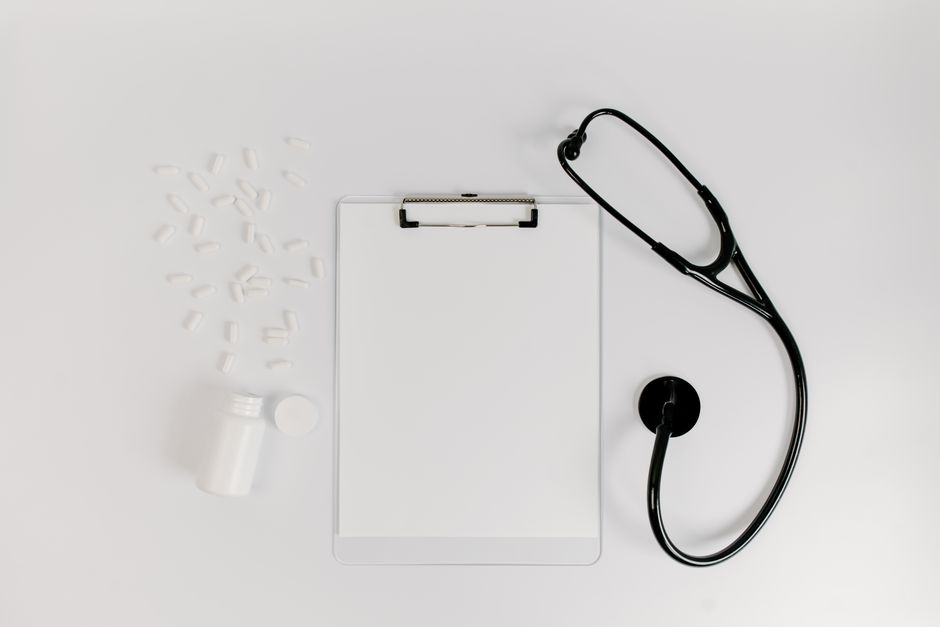
You can make a working stethoscope with a small plastic funnel, a length of flexible tubing, and two small funnels or earpieces. Tape the funnel to one end of the tube, place the wide opening of the funnel against the chest, and hold the other end to your ear. Sound travels through the tube to your ear the same way it does in a real stethoscope, though the sound will be quieter and less clear.
This is a science project, not a medical device. It can help you hear a heartbeat or lungs in a quiet room. It cannot replace a real stethoscope for checking health, and it should never be used to make decisions about symptoms.
How To Make A Stethoscope With Simple Household Items?
The basic build takes about five minutes and needs no tools beyond tape and scissors. Here is the most reliable version.
What you need:
- A small plastic funnel (about 2 to 3 inches across at the wide end)
- About 12 to 18 inches of flexible tubing — aquarium air line, a piece of garden hose, or clear vinyl tubing from a hardware store all work
- Two small funnels or two clean, soft ear tips (you can shape these from modeling clay or foam)
- Tape (electrical or duct tape holds best)
Steps:
- Push the narrow end of the large funnel into one end of the tubing. It should fit snugly. If it is loose, wrap tape around the joint until it seals.
- Push the two small funnels into the other end of the tubing, or split the tubing into two short branches if you want sound in both ears. A single earpiece is simpler and works fine.
- Tape every joint firmly. Any air gap lets sound escape and muffles what you hear.
- Place the wide opening of the large funnel flat against the chest, just left of the breastbone and slightly below the nipple line. Press gently so the rim seals against the skin.
- Put the small funnel or ear tip to one ear and listen. Block your other ear with a finger to cut background noise.
The seal matters more than the materials. A funnel that sits flat against skin traps sound waves and funnels them into the tube. A funnel held at an angle leaks sound and you hear almost nothing.
Why Does a Homemade Stethoscope Actually Work?
A stethoscope does not amplify sound. It delivers it. The chest piece collects vibrations from the body, and the tube carries those vibrations to your ear while blocking outside noise.
When your heart beats, it creates pressure waves in your chest wall. The funnel’s wide opening catches those waves and channels them into the narrow tube. The tube keeps the sound contained so it reaches your ear instead of spreading out into the room.
This is why a longer tube is not always better. Sound loses energy as it travels, and a very long or very wide tube lets more of it fade before it reaches you. A short, narrow tube with tight seals gives the clearest sound.
One thing that surprises people: the tubing material matters. Soft, flexible tubing dampens vibration less than stiff plastic. That is why real stethoscopes use thick, flexible rubber rather than thin rigid pipe.
What Can You Hear With a Homemade Stethoscope?
In a quiet room, a homemade stethoscope can pick up a heartbeat and normal breathing sounds. It will not match the clarity of a clinical stethoscope, but the basic sounds are there.
Listen for a steady “lub-dub” from the heart. That is the sound of valves closing as blood moves through the heart’s chambers. Normal breathing sounds are soft and continuous, like air moving through a tube.
What you will not hear well:
- Subtle heart murmurs, which need a proper chest piece and trained ears
- Lung sounds in the lower back, which are faint even with real equipment
- Bowel sounds, which are low and easily lost through a homemade tube
This is where honesty matters. A homemade stethoscope is a learning tool. It is not a screening device. If you are trying to check on a symptom, use a real stethoscope or see a clinician.
How Do You Get the Best Sound Out of It?
Quiet and a good seal do more for sound quality than any upgrade to the device. A few adjustments make a real difference.
Find a silent room. Background noise — a fan, a fridge, traffic — drowns out the faint sounds you are trying to hear. Turn off what you can.
Press the funnel flat. The rim should sit flush against skin, not tilted. Hold it steady; movement creates rustling that masks everything else.
Listen on bare skin. Clothing muffles sound badly. Place the funnel directly on the chest or back.
Use one ear and block the other. A single ear tip with your other ear covered gives the cleanest result. Two-ear setups only help if both tips seal well.
Try the back for lungs. Breathing sounds are often clearer on the upper back than the front, especially in a thin person.
Check your seals. If sound is faint, re-tape every joint. A tiny leak at the funnel or earpiece can cut the volume noticeably.
What Are the Safety and Accuracy Limits?
A homemade stethoscope is safe to use as a learning project, but it has real limits you should know before relying on it for anything.
The device cannot detect most conditions a clinician looks for. Heart murmurs, irregular rhythms, fluid in the lungs, and many other findings require a trained ear and proper equipment. A quiet homemade stethoscope does not rule anything out.
Never use a homemade stethoscope to decide whether someone needs medical care. If you are worried about a heartbeat, breathing, or chest symptoms, contact a healthcare professional. Do not wait to “listen first.”
There is also a hygiene point. Clean the funnel between users with soap and water or an alcohol wipe, especially if it touches skin. Sharing an uncleaned device spreads germs.
And be careful with the earpiece. Pushing a hard funnel or tube into your ear canal can scratch it. Rest it at the opening of the ear, not inside.
Can You Build a Better Version With Common Materials?
You can improve on the basic funnel design with a few household swaps. None of these turn it into a medical device, but they can sharpen the sound.
Use a balloon as a diaphragm. Stretch a piece of balloon tightly over the wide end of the funnel and secure it with a rubber band. The taut membrane vibrates with the chest wall and can pick up sound more cleanly than an open funnel. This mimics the flat chest piece on a real stethoscope.
Swap in thicker tubing. A short length of soft rubber or silicone tubing carries sound better than thin vinyl. Keep it short.
Add foam ear tips. Small foam earplugs with a hole poked through the center make comfortable, sealing earpieces. They also block outside noise, which helps as much as the tube itself.
Seal with clay. A ring of modeling clay around the funnel rim can improve the skin seal on uneven surfaces. Remove it before cleaning.
These tweaks are the same principles real stethoscopes use: a sealed chest piece, a short sound path, and snug earpieces. The difference is precision. A clinical stethoscope is engineered and tested; a homemade one is a demonstration of the physics.
Frequently Asked Questions
What household items make the best homemade stethoscope?
A small plastic funnel, flexible tubing, and two small funnels or foam ear tips work best. Tape every joint tightly so no air escapes.
Can a homemade stethoscope hear a heartbeat?
Yes, in a quiet room with the funnel pressed flat against the chest. The sound will be fainter and less clear than with a real stethoscope.
Is a DIY stethoscope safe to use for checking health?
No. It is a learning tool only and cannot detect most conditions a clinician looks for. See a healthcare professional for any health concern.
Why can’t I hear anything through my homemade stethoscope?
Air is probably leaking through a loose joint, or the funnel is not sealed flat against the skin. Re-tape every connection and press the rim flush against bare skin.
