
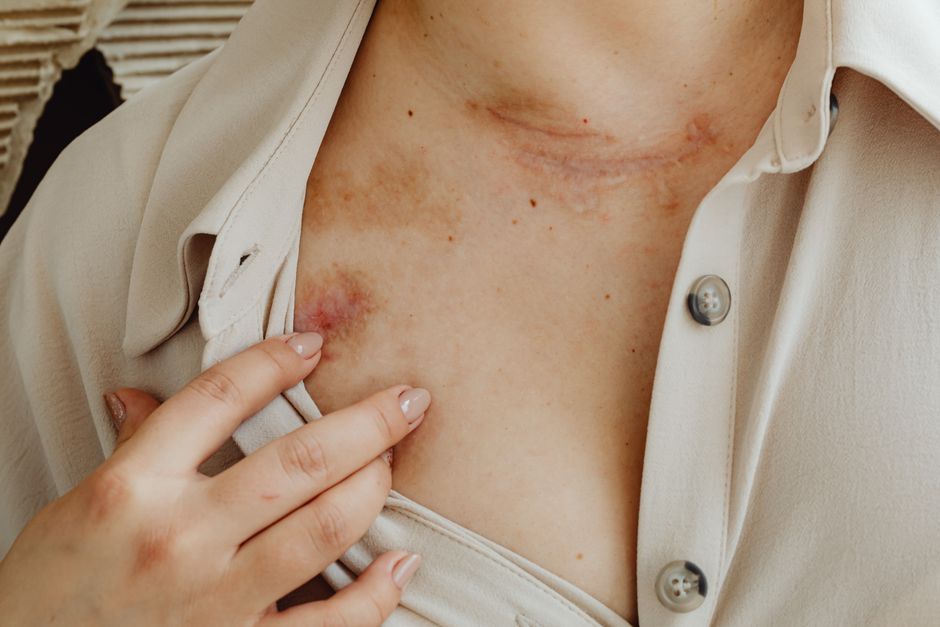
Making a scar more visible is not a standard medical goal, and no clinical guidelines exist for it. People usually want this for specific reasons: a film or theater role, a costume, a photography project, or a personal wish to emphasize a scar that is part of their identity. The realistic methods fall into two groups. Temporary cosmetic techniques use makeup, skin-safe adhesives, and lighting to deepen contrast. Longer-lasting changes involve controlled irritation or sun exposure, and those carry real risks, including infection, permanent pigment changes, and scars that become raised or spread. There is no safe way to “reactivate” a healed scar on purpose.
Why Would Someone Want To Make A Scar More Visible?
The reasons are more common than most people assume. Special effects artists recreate scars constantly for film, theater, and Halloween. Photographers use makeup to emphasize texture and contrast. Some people with visible scars want to highlight them for a portrait or a public event rather than hide them.
There is also a smaller group who feel their scar has faded more than they would like. A scar can be a marker of survival, surgery, or a life event. Wanting it to stay prominent is a legitimate personal choice, not a medical problem.
What matters is separating appearance from biology. You can change how a scar looks in a photo or on a given day without changing the scar tissue itself. The methods that actually alter scar tissue are the ones that carry risk.
What Is The Safest Way To Make A Scar More Visible?
Cosmetic makeup is the safest method by a wide margin. It changes appearance only. It does not touch the biology of the scar, and it washes off.
Scars differ from surrounding skin in a few measurable ways. They often lack hair follicles and sweat glands. They may be lighter or darker, shinier or duller, and flatter or raised. Makeup works by exaggerating those differences.
A few techniques are standard in special effects and portrait work:
- Use a shade slightly darker or lighter than the surrounding skin to increase contrast at the scar’s edges.
- Apply a thin line of deeper color along the scar itself to suggest shadow and depth.
- Add a small amount of red or pink at the borders to mimic the look of newer tissue.
- Use a matte product on raised scars and a slight sheen on flat ones to change how light catches them.
- Set the work with translucent powder so it holds under lights.
Use products labeled for use on skin, and patch test on your inner arm first. The American Academy of Dermatology recommends patch testing new cosmetic products before wider use. If your scar is recent, check with your clinician before applying anything to it.
Can Lighting And Photography Make A Scar Stand Out More?
Yes, and this is where most of the visible effect actually comes from. Light direction changes how a scar reads far more than any product does.
Side lighting from a low angle casts small shadows across raised tissue and makes texture obvious. Flat, direct light does the opposite and tends to hide it. A hard light source close to the subject sharpens edges. A soft, large source smooths them.
For photographs, the same principles apply. Angling the light across the scar rather than straight at it increases contrast. A slightly cooler white balance can make pale scars look paler against warm skin. A warmer balance can deepen the appearance of darker scars.
This is a useful point that surprises people: in most photos, the lighting does more work than the makeup. If you only have time for one adjustment, move the light.
Do Creams Or Oils Make A Scar More Visible?
No cream or oil has been shown to make a healed scar more prominent. Products marketed for scar appearance are studied for the opposite purpose, usually fading or flattening. There is no clinical evidence that any topical product reliably increases scar visibility.
Some people notice that certain oils make a scar look shinier or slightly redder for a short time. That is a surface effect on the skin, not a change in the scar tissue. It fades within hours.
Be cautious with products that claim to “stimulate” scar tissue. Anything strong enough to irritate skin can inflame the scar itself. That leads to the risks covered below.
What Are The Risks Of Trying To Make A Scar More Visible?
The main risk is turning a stable, healed scar into an active problem. A scar that has been quiet for years can still respond to injury or inflammation.
Deliberately irritating a scar, whether by scratching, rubbing, or applying harsh products, can trigger several outcomes:
- Hypertrophic scarring. The scar becomes raised and thick but stays within its original boundary.
- Keloid formation. Scar tissue grows beyond the original wound edge. Keloids are more common in people with darker skin and in certain body areas such as the chest and earlobes.
- Pigment changes. Inflammation can leave the scar darker (hyperpigmentation) or lighter (hypopigmentation) than before, and these changes are often long-lasting.
- Infection. Broken skin on or around a scar can become infected, especially if the scar sits over a joint or in an area that is hard to keep clean.
- Widening. Repeated tension or trauma can stretch a scar, particularly on the back, shoulders, and knees.
Sun exposure is a specific concern. Ultraviolet light can darken a scar, which some people want. But it also damages skin and raises the risk of pigment problems that persist. The Skin Cancer Foundation and dermatology guidance advise protecting scars from sun, especially in the first year after healing, because sun exposure can make scars permanently darker and harder to treat.
Is It Safe To Irritate Or Scratch A Scar On Purpose?
No. Deliberately scratching, picking, or abrading a healed scar is not a recognized technique and carries the risks above without a reliable benefit.
Some people have heard that “breaking up” scar tissue makes it more noticeable. There is no evidence for this. Scar tissue is mostly collagen laid down in a different pattern from normal skin. It does not respond to surface irritation by becoming more defined in a controlled way. It responds by becoming inflamed.
This matters most for anyone with a history of keloids. In that group, even minor trauma to the skin can set off new scar growth. If you have had a keloid before, avoid any method that breaks the skin.
Can Tattoos Or Piercings Make A Scar More Visible?
A tattoo placed near a scar can draw attention to it, and some people use ink to frame or outline a scar. The scar itself is a different question. Tattooing over scar tissue is possible in some cases, but it is not without risk.
Scar tissue can be more sensitive, can heal unpredictably, and can change how ink looks. Some clinicians advise against tattooing over scars that are less than a year old. Others will do it with caution. There are no universal guidelines, so this is a conversation to have with a dermatologist and a tattoo artist experienced with scarred skin.
Piercings carry a similar caution. A piercing through or near a scar is a new wound. In people prone to keloids, piercing is a well-recognized trigger for keloid formation.
When Should You Talk To A Doctor About A Scar?
Talk to a clinician before trying anything that could irritate the scar, especially if it is less than a year old, if it is over a joint, or if you have a history of keloids or poor wound healing.
See a doctor promptly if a scar becomes painful, hot, swollen, or starts to change color or shape without explanation. A scar that grows after being stable for a long time should be looked at. In rare cases, changes in a scar can signal a skin problem that needs assessment.
For most people who simply want a scar to show up better in a photo or on stage, makeup and lighting do the job with no risk at all. The scar stays as it is. Only its appearance changes.
Frequently Asked Questions
What is the safest way to make a scar more visible?
Cosmetic makeup and lighting are the safest methods because they change appearance only and do not affect the scar tissue. Patch test any product on your inner arm first.
Can I make a scar more visible without damaging it?
Yes, using makeup, contrast, and side lighting gives a visible effect without touching the scar itself. Anything that irritates or breaks the skin carries real risk.
Does scratching a scar make it more prominent?
No, and it can cause harm. Scratching or abrading a scar can trigger inflammation, pigment changes, or raised scar tissue, and there is no evidence it makes a scar look better.
Can sun exposure make a scar darker?
Ultraviolet light can darken a scar, but it also damages skin and can cause pigment changes that last. Dermatology guidance advises protecting scars from sun, especially in the first year after healing.
