
Nettle infusion is one of the simplest herbal preparations you can make at home, yet it delivers a mineral-rich drink that many people use daily. The process takes about ten minutes of active time, followed by several hours of steeping. Here is the straight answer: place dried or fresh nettle leaves in a glass jar, pour boiling water over them, cover the jar, and let it steep for 4 to 12 hours. Strain the liquid and drink it warm or cold. The long steep time is what separates an infusion from a standard cup of tea.
What Is the Difference Between Nettle Tea and Nettle Infusion?
A standard cup of tea steeps for 3 to 5 minutes. An infusion steeps for hours. That difference matters because nettle leaves are tough and woody. Short steeping only pulls out a fraction of the water-soluble compounds. A longer steep extracts more minerals, including calcium, magnesium, and potassium, along with other plant compounds.
Herbalists typically use the word “infusion” for preparations that steep for 4 hours or longer. This method is standard for nutrient-dense leaves like nettle, raspberry leaf, and oat straw. A quick tea is fine for flavor, but it will not deliver the same mineral content as a proper infusion.
Which Nettle Parts Should You Use?
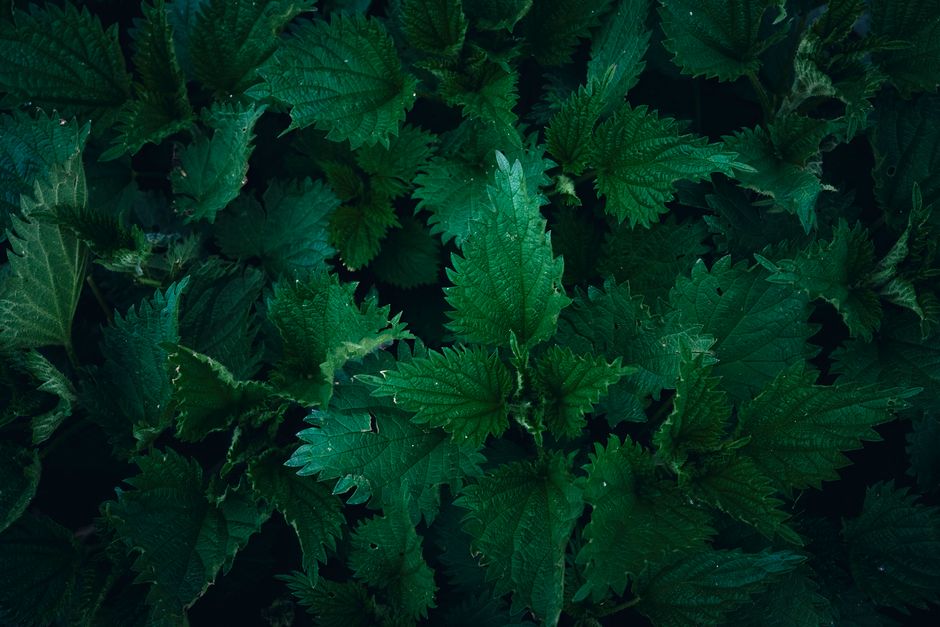
Use the leaves and sometimes the upper stems of the stinging nettle plant, known botanically as Urtica dioica. The leaves contain the majority of the water-soluble nutrients people seek. Roots are not used for infusion because they contain different compounds that extract better in alcohol or glycerin.
You can use fresh or dried leaves. Fresh nettle leaves require more volume because they contain water. Dried leaves are more concentrated, so you need less by weight. Most people find dried nettle easier to work with because it is available year-round and stores well.
If you harvest fresh nettle yourself, wear thick gloves. The plant is covered in tiny hollow hairs that inject irritants on contact. The sting is neutralized by heat, so once the leaves are submerged in boiling water, they are safe to handle and consume.
What You Need to Make a Nettle Infusion
Gather these items before you start:
- 1 quart (32 ounces) glass jar with a lid
- 1 ounce (about 28 grams) dried nettle leaf, or 2 to 3 cups fresh leaves
- Boiling water
- A fine mesh strainer or cheesecloth
- A wooden spoon or chopstick for stirring
A glass jar is preferred over plastic. Glass does not absorb flavors or leach chemicals into hot liquid. A wide-mouth jar makes adding leaves and cleaning easier. If you do not have a quart jar, use any heat-safe glass container with a lid.
How To Make A Nettle Infusion Step By Step
Step 1: Measure the nettle. Place 1 ounce of dried nettle leaf into your quart jar. If using fresh leaves, fill the jar about halfway full. Do not pack the leaves down tightly.
Step 2: Boil water. Bring fresh water to a rolling boil. Use filtered water if your tap water has a strong taste. The water quality affects the final flavor of the infusion.
Step 3: Pour water over the nettle. Fill the jar to the top with boiling water. Pour slowly so the water saturates all the leaves. Leave about half an inch of space at the top.
Step 4: Stir. Use a wooden spoon or chopstick to push the leaves down and make sure they are fully submerged. Leaves floating on top will not extract as well.
Step 5: Cover the jar. Place the lid on loosely. Covering prevents volatile compounds from escaping and keeps the infusion clean. A loose lid allows steam to escape and prevents pressure buildup.
Step 6: Steep for 4 to 12 hours. Leave the jar at room temperature out of direct sunlight. The minimum steep time is 4 hours. Many herbalists recommend 8 to 12 hours for maximum mineral extraction. Steeping overnight is common and convenient.
Step 7: Strain. Place a fine mesh strainer over a bowl or directly over another jar. Pour the infusion through the strainer. Press the leaves with the back of a spoon to squeeze out the remaining liquid. Discard the spent leaves.
Step 8: Store or drink. Drink the infusion warm, or refrigerate it in a sealed jar. A properly prepared infusion will keep in the refrigerator for 2 to 3 days. Discard it if it develops an off smell or visible mold.
How Much Nettle Infusion Should You Drink?
There is no established clinical guideline for daily nettle infusion consumption. Traditional herbal practice suggests 1 to 3 cups per day, but this is not backed by rigorous clinical trials. Start with a smaller amount, such as half a cup, to see how your body responds.
Nettle is generally recognized as safe when consumed in food-like amounts. However, the evidence for therapeutic effects at specific doses is limited. No large human trials have established a precise effective dose for any condition. Treat nettle infusion as a nutrient-dense beverage, not as a medication with a known dose.
Some research suggests nettle may have mild diuretic effects and could interact with blood pressure medications, diuretics, and blood thinners. If you take any prescription medication, talk to your doctor before adding large amounts of nettle infusion to your routine.
What Does the Evidence Say About Nettle’s Benefits?
Nettle has a long history of traditional use, and modern research has examined some of its properties. Studies have investigated nettle for seasonal allergies, joint discomfort, and blood sugar management, but the evidence is preliminary. Results from small studies are promising in some areas, but larger clinical trials are needed before firm conclusions can be drawn.
What is better established is the nutritional content. Nettle leaves contain measurable amounts of vitamins A and C, calcium, iron, magnesium, and potassium. These nutrients are water-soluble or partially water-soluble, which means they can transfer into an infusion. However, the exact amount that ends up in your cup depends on the plant’s growing conditions, harvest time, drying method, and steep duration.
Be skeptical of marketing claims that nettle infusion can “detoxify” the body or cure specific illnesses. The liver and kidneys perform detoxification naturally. No herbal tea has been shown to enhance this process beyond normal function. Nettle infusion is a nutritious beverage, not a medical treatment.
Who Should Avoid Nettle Infusion?
Certain groups should exercise caution with nettle infusion. Pregnant women should avoid large amounts of nettle because some research suggests it may stimulate uterine contractions. No clinical guidelines currently exist for nettle use during pregnancy, which is why caution is warranted.
People with kidney disease should talk to their doctor before consuming nettle regularly. Nettle’s potassium content could be problematic for individuals whose kidneys cannot properly excrete potassium. Similarly, anyone on potassium-sparing diuretics should be cautious about combining them with potassium-rich foods and beverages.
Children can drink small amounts of nettle infusion, but no dosing guidelines exist for pediatric use. As with any herbal product, it is reasonable to offer only small quantities and observe for any adverse reaction.
How To Improve the Flavor of Nettle Infusion
Nettle infusion has an earthy, green taste that some people find strong. The flavor is often described as similar to spinach or green tea, but more mineral-forward. If the taste is too intense, several options can make it more palatable.
Add a squeeze of lemon after straining. The acidity brightens the flavor and may help preserve vitamin C. A small amount of honey or maple syrup can round out the bitterness. Mint leaves, cinnamon sticks, or a slice of fresh ginger can be added during the steep for a different flavor profile. These additions do not interfere with the extraction of minerals from the nettle.
Cold infusion is another option. Place dried nettle in a jar with cold water and refrigerate for 12 to 24 hours. This method extracts fewer bitter compounds and produces a smoother taste. The mineral extraction is slower in cold water, so the steep time should be longer.
Frequently Asked Questions
How long should a nettle infusion steep?
Steep for at least 4 hours and up to 12 hours. The longer steep time extracts more minerals from the tough leaves.
Can I reuse nettle leaves for a second infusion?
You can, but the second infusion will be noticeably weaker. Most of the water-soluble compounds are extracted in the first steep.
Is fresh or dried nettle better for infusion?
Both work well, but dried nettle is more convenient and requires less volume. Fresh nettle needs about 2 to 3 cups of leaves per quart of water.
Can I drink nettle infusion every day?
Many people drink it daily, but no clinical studies have established a safe daily dose. Start with one cup per day and consult your doctor if you take medications.
