
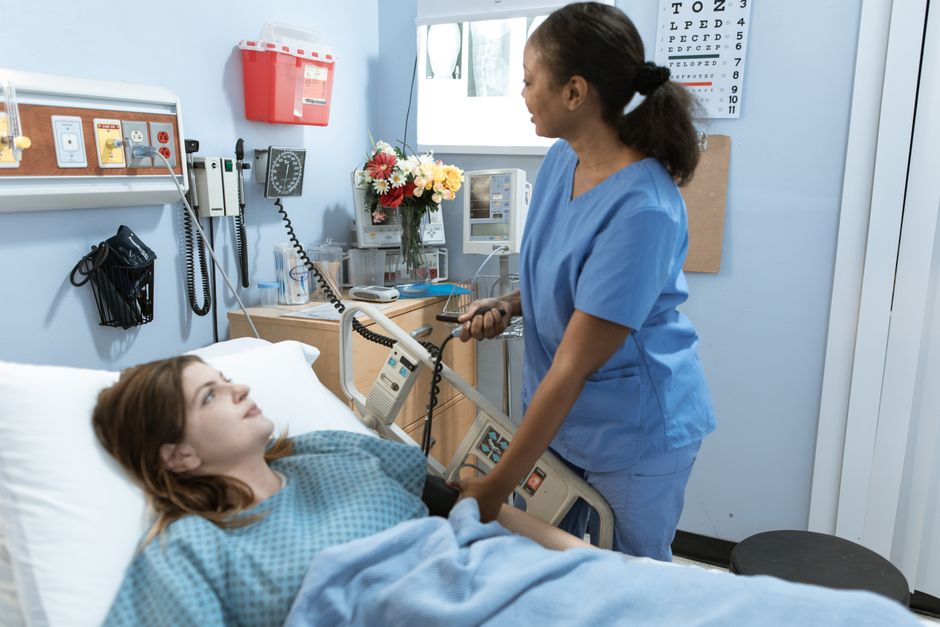
A hospital room is built for clinical function, not comfort. The bed is adjustable but firm, the lights are bright, the air is dry, and the sounds are unfamiliar. You can still make the space work for you. Small changes to light, sound, temperature, and personal items can help you sleep better, feel calmer, and recover with less stress.
Why Does Hospital Room Comfort Actually Matter?
Discomfort is not just an annoyance. It affects how well you rest, and rest affects how you heal.
Hospitals are loud and bright around the clock. Research on hospital noise has consistently found that sound levels often exceed the levels recommended for sleep, and that interruptions at night are common. Poor sleep in a hospital is linked to more fatigue, more confusion in older adults, and a harder time recovering.
There is also a practical side. When you are uncomfortable, you move less, breathe more shallowly, and ask for help less often. None of that helps you. A room that feels calmer and more familiar can make it easier to relax, sleep in short stretches, and take part in your own care.
Comfort will not treat your condition. It will not shorten your stay on its own. But it can remove small sources of stress that add up over days.
How Can You Control Light in a Hospital Room?
Light is one of the biggest reasons hospital sleep is poor. Overhead lights stay on in hallways, monitors glow, and staff need light to work safely. You cannot turn all of it off, but you can shape it.
- Ask staff to close the blinds or curtains at night if they are open.
- Keep a sleep mask at the bedside. This is one of the simplest and most effective items you can bring.
- Use a small clip-on reading light instead of the overhead light when you are awake.
- Ask whether the room light can be dimmed during rest periods.
- During the day, open the curtains if you can. Daylight helps reset your body clock, which supports better sleep at night.
If you are sharing a room, coordinate with your roommate. What helps one person may bother another. A sleep mask and earplugs let you control your own side of the room without asking anyone else to change.
What Can You Do About Hospital Noise?
You cannot silence a hospital. Monitors beep, carts roll, doors close, and staff talk in hallways. What you can do is reduce what reaches your ears.
Earplugs and noise-cancelling headphones are the most reliable tools. Foam earplugs are cheap and block a broad range of sound. Headphones work better for steady background noise. Some hospitals can provide earplugs if you ask.
White noise or a fan sound played through headphones can mask sudden noises that wake you. Sudden sounds are more disruptive to sleep than steady ones, so masking them helps.
You can also ask for help. If a monitor alarm is firing repeatedly, tell your nurse. Sometimes the issue is a loose lead or a setting that can be adjusted. Staff want the alarms to be meaningful too.
If you are in a shared room and a roommate’s television is loud, ask staff whether the volume can be lowered or whether headphones are available. This is a reasonable request, not a complaint.





How Do You Make the Bed and Room Feel More Like Home?
The hospital bed is designed for safety and access, not comfort. You can still soften the experience.
Bring your own pillow if the hospital allows it. A pillow from home has your familiar smell and shape, which can help you settle. A light blanket or throw from home can add warmth and a sense of normalcy. Check with your nurse first, since some units have rules about outside bedding for infection control reasons.
Wear your own clothes if you are able. Soft pajamas or a loose t-shirt and pants are often more comfortable than a hospital gown, and they can make you feel less like a patient. Ask whether your IV line or monitor allows it. Many do.
Personal items matter more than people expect. A photo, a small plant if allowed, a favorite mug, or a book can make the room feel less anonymous. These items do not change your medical care, but they change how the room feels to you.
Keep a small bag or basket at the bedside for the things you use most: phone, charger, glasses, lip balm, tissues, water. Having them within reach reduces how often you need to call for help and gives you a bit more control.
What About Temperature and Air?
Hospital air is often dry, and rooms can be too warm or too cool. Dry air can make your throat, nose, and lips uncomfortable, especially if you are breathing oxygen or have a dry mouth from medication.
Lip balm and a water pitcher within reach help. If your room has adjustable temperature controls, ask staff how to use them. Many rooms do, but the controls are sometimes locked or centralized.
A small personal fan can help with both temperature and air movement. Check first whether it is allowed, since some units restrict electrical items. If you feel cold, ask for an extra blanket. Do not adjust the thermostat yourself if it is a shared system, since it affects other patients.
If the air feels very dry, ask whether a humidifier is appropriate. Some units use them and some do not, depending on infection control policies.
How Do You Handle Interruptions and Get More Rest?
Hospital care happens on a schedule, and that schedule does not always match yours. Blood draws, medication rounds, vital signs, and shift changes all interrupt sleep. You cannot stop them, but you can work with them.
Ask your nurse when the main interruptions are likely to happen. If you know a blood draw is at 5 a.m., you can plan to sleep earlier. If you need a stretch of uninterrupted rest, tell your care team. Some checks can be grouped or timed around your sleep when it is safe to do so.
Use the time between checks. If you wake at 2 a.m. and cannot fall back asleep, do not fight it. Read, listen to something calm, or do a slow breathing exercise. Trying hard to sleep usually makes it harder.
Keep a notepad or use your phone to write down questions as they come up. This reduces the mental load of trying to remember everything and lets you rest instead of rehearsing questions.
What Should You Bring to Make a Hospital Room More Comfortable?
A short list of items covers most of what helps. Check with your hospital first, since rules vary by unit.
- Sleep mask and earplugs
- Your own pillow and a light blanket
- Comfortable clothes and non-slip socks or slippers
- Phone, long charging cable, and headphones
- Lip balm, lotion, and a water bottle with a straw
- A small fan if allowed
- Photos, a book, or a small familiar item
- A notepad and pen for questions
A long charging cable is a small thing that makes a real difference. Outlets are often far from the bed, and a short cable means your phone sits on the floor.
When Should You Ask Staff for Help?
Ask for help whenever something is making it hard to rest, eat, or move. That includes noise, light, temperature, pain, or a roommate issue. These are part of your care, not extra requests.
Pain is worth mentioning specifically. Uncontrolled pain disrupts sleep and makes everything else harder. If your pain is not well controlled, tell your nurse. Do not wait for a scheduled round if it is bad.
If you feel unsafe, confused, or very distressed, say so clearly. Staff can often adjust the room, the schedule, or your surroundings in ways you may not know are possible.
Frequently Asked Questions
What is the single most useful thing to bring to a hospital room?
A sleep mask and earplugs together, because light and noise are the two biggest barriers to rest in a hospital. Both are small, cheap, and give you control over your own side of the room.
Can I bring my own pillow and blanket to the hospital?
Often yes, but check with your care team first, since some units restrict outside bedding for infection control reasons. A pillow from home is usually the easiest item to bring.
How do I sleep better in a hospital with all the noise?
Use earplugs or noise-cancelling headphones, add white noise to mask sudden sounds, and ask your nurse when the main nighttime checks happen so you can plan around them. You cannot eliminate the noise, but you can reduce what reaches you.
Is it okay to ask staff to dim the lights or lower the noise?
Yes. These are reasonable requests and part of your care, not complaints. Staff can often adjust lighting, alarm settings, or room arrangements in ways you may not know are possible.
