
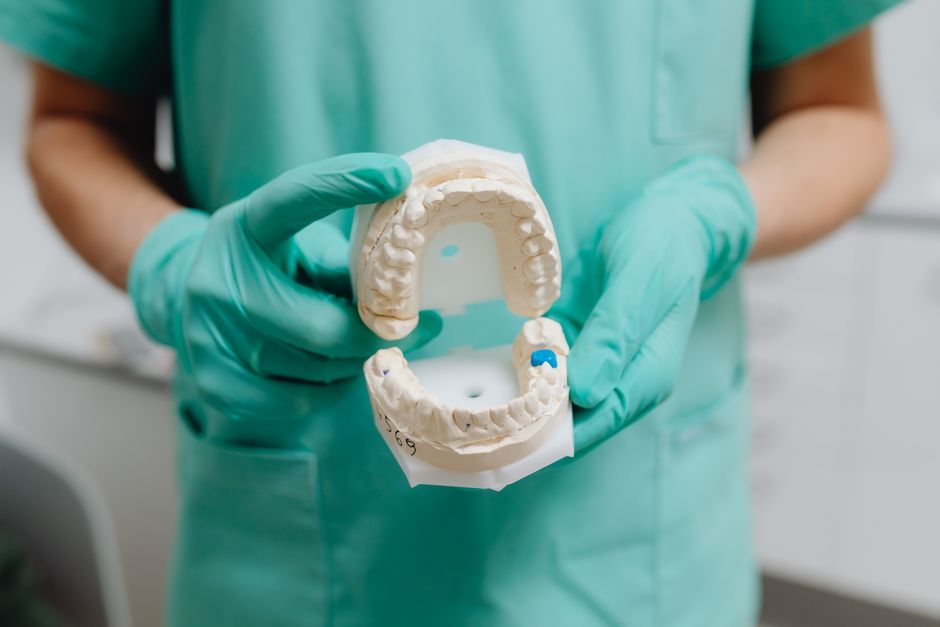
You can make a homemade mouth guard for sleeping from a boil-and-bite mouthguard blank, which softens in hot water and molds to your teeth in about 30 seconds. That is the only homemade option with a reasonable safety record. DIY guards made from wax, plastic, or molded silicone are not recommended — they can loosen during sleep and become a choking risk, and they do not protect teeth the way a properly fitted guard does. If you grind or clench your teeth at night, the safest path is a custom guard from a dentist, with a boil-and-bite guard as a temporary stand-in.
What Is a Homemade Mouth Guard Actually For?
Most people searching for a homemade mouth guard are trying to solve one of two problems: teeth grinding (bruxism) during sleep, or jaw clenching that leaves them with sore muscles and headaches. A night guard creates a physical barrier between the upper and lower teeth so they cannot wear against each other.
That barrier does two things. It reduces wear on tooth enamel, and it can reduce the strain on the jaw joint and chewing muscles. It does not stop the grinding itself. The underlying clenching often continues — the guard absorbs the force rather than eliminating it. This matters because people sometimes expect a guard to “cure” bruxism, and it does not.
Bruxism during sleep is common. It is often linked to stress, sleep disorders such as sleep apnea, certain medications, and caffeine or alcohol use. If clenching is severe or comes with jaw pain, morning headaches, or worn teeth, that is a signal to see a dentist rather than rely on a homemade device.
How To Make a Homemade Mouth Guard For Sleeping Using a Boil-and-Bite Blank
The boil-and-bite method is straightforward and takes about five minutes from start to finish. You need a boil-and-bite mouthguard blank, which you can buy at most pharmacies and sporting goods stores, plus a pot of water and a bowl of cold water.
Here is the process:
- Heat the water. Bring water to a boil, then remove the pot from the heat. Let it sit for about 30 seconds so it is hot but not rolling.
- Soften the blank. Drop the mouthguard into the hot water and leave it until it turns soft and pliable. Follow the package timing — usually under a minute.
- Cool it briefly. Lift it out with a slotted spoon or tongs and dip it in the cold water for one to two seconds so it does not burn your mouth.
- Bite down. Place it in your mouth and bite firmly into it. Press your tongue against the roof of your mouth and hold for the time the package specifies, usually about 30 seconds.
- Chill and check. Move it to the cold water to set the shape. Try it in — it should feel snug but not tight enough to hurt.
Trim excess material with scissors only if the package says the guard can be trimmed. Never cut into the biting surface. Most boil-and-bite guards can be re-softened and refitted once or twice if the first attempt is off.
Why Wax, Plastic, and DIY Silicone Guards Are Risky
Some online tutorials suggest molding a guard from dental wax, thermoplastic beads, or silicone putty. These carry real risks and I would not recommend any of them for sleep.
The core problem is that these materials are not designed to stay fixed in the mouth. A loose piece of wax or softened plastic can come free during sleep and end up in the airway. That is a choking hazard, and it is a serious one because you are asleep and cannot react.
There is a second issue: fit and thickness. A guard that is too thick can push the jaw into an unnatural position and worsen jaw pain. A guard that is too thin wears through quickly and offers little protection. Homemade materials also cannot be reliably cleaned, and they can harbor bacteria over time.
No clinical evidence supports homemade wax or plastic guards as safe or effective for sleep. The boil-and-bite blank is different because it is manufactured for oral use and has a known softening and setting behavior.
How Does a Boil-and-Bite Guard Compare to a Dentist-Made Guard?
A custom guard from a dentist is made from an impression of your teeth and fits precisely. A boil-and-bite guard is a rough approximation. Both can protect teeth, but they are not equal.
| Feature | Boil-and-bite guard | Dentist-made guard |
|---|---|---|
| Fit | Approximate, self-molded | Precise, from a dental impression |
| Cost | Low, over the counter | Higher, often several hundred dollars |
| Durability | Wears out faster, needs replacing | Lasts longer with care |
| Comfort | Bulkier, may feel loose | Thinner and more comfortable for most people |
| Jaw position | Fixed thickness, may not suit your bite | Can be designed for your bite |
The general clinical direction is that a custom guard is the preferred long-term option for people who grind significantly. A boil-and-bite guard is a reasonable temporary choice — for example, while waiting for a dental appointment. It is not a substitute for a custom fit if you have ongoing jaw pain, significant tooth wear, or a diagnosed bite problem.
What Are the Risks of Sleeping With a Homemade Guard?
The main risks are choking, swallowing, and damage to the teeth or jaw. A poorly fitted guard can shift during sleep, and a loose one is the biggest concern. This is why the material matters so much — a guard that softens with body heat or saliva is more likely to come loose.
Other risks include:
- Jaw pain. A guard that is too thick or forces the jaw forward can strain the jaw joint and muscles.
- Tooth movement. A guard that puts uneven pressure on teeth can, over time, shift them.
- Hygiene problems. Guards that are hard to clean can build up bacteria and cause gum irritation.
- Masking a bigger issue. A guard can hide signs of sleep apnea. If you snore heavily, wake gasping, or feel exhausted despite sleeping, see a doctor — a mouth guard is not the answer for sleep apnea.
Stop using any guard that causes pain, feels loose, or leaves marks on your gums, and see a dentist.
How Should You Clean and Care for a Homemade Guard?
Clean the guard every morning after you take it out. Rinse it with cool water and brush it gently with a soft toothbrush and a small amount of mild soap or denture cleaner. Avoid hot water for cleaning — it can soften the material and undo the fit.
Let it air dry in a ventilated case, not a sealed container, so it does not stay damp. Replace a boil-and-bite guard when it shows wear, cracks, or a loose fit. Most do not last as long as a custom guard, and there is no fixed timeline — inspect it regularly and replace it when it stops fitting snugly.
One non-obvious point: a night guard is not a substitute for addressing the cause of clenching. If stress, caffeine, or a sleep problem is driving the grinding, the guard protects your teeth but does not change the pattern. Talk to a dentist or doctor about the underlying trigger.
Frequently Asked Questions
Can I make a mouth guard at home without a kit?
No safe method exists for making a sleep guard from scratch at home. Wax, plastic, and silicone putty are not designed for the mouth and can come loose during sleep, which is a choking risk.
Is a boil-and-bite mouth guard safe to sleep in?
A boil-and-bite guard made for oral use is generally considered a reasonable temporary option. It is not as precise as a dentist-made guard and should be replaced if it loosens or wears out.
How long does a homemade mouth guard last?
There is no fixed lifespan, and it varies by material and care. Inspect it regularly and replace it once it cracks, wears through, or stops fitting snugly.
Can a mouth guard stop teeth grinding at night?
A guard protects teeth from wear but does not stop the grinding itself. The clenching often continues, which is why addressing stress, sleep, and other triggers matters.
