
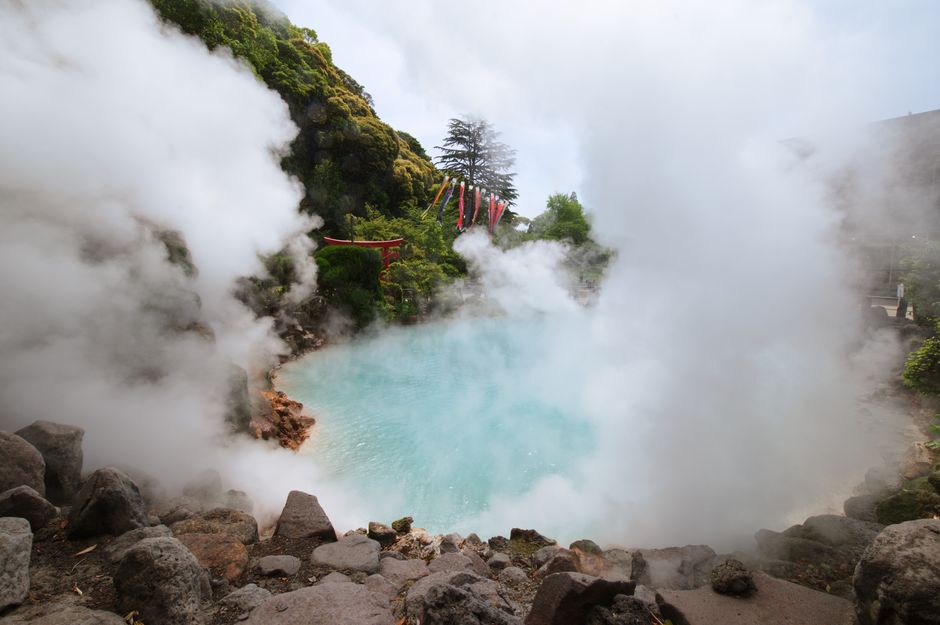
A geyser is a rare natural event that needs three specific conditions at once: a heat source, a steady supply of water, and a narrow plumbing system that traps pressure underground. You can build a working model at home or in a classroom using a bottle, water, and effervescent tablets, and it will show the same push-and-release cycle that drives real geysers in Yellowstone and Iceland. The steps are simple. The science behind why it works is what makes it worth understanding.
How To Make A Geyser Steps Tips And Science
This is the classic model. It takes about five minutes and uses items you likely already have.
You need a plastic bottle, warm water, a few effervescent tablets, and a tray or towel to catch the overflow. A two-liter bottle works well. So does a smaller one, though the eruption will be shorter.
- Place the bottle on the tray, outdoors or in a sink.
- Fill it about two-thirds with warm water. Warm, not boiling.
- Drop in one effervescent tablet and step back.
- Watch the foam rise and spill over the top.
- Add another tablet once the first reaction slows to repeat the eruption.
The tablet releases carbon dioxide gas as it dissolves. Bubbles form throughout the water and rise fast. Because the bottle neck is narrow, the gas and foam have only one way out. Pressure builds briefly, then the mixture erupts over the rim.
A few tips make it work better. Warm water speeds up the reaction because the tablet dissolves faster. Crushing the tablet first gives a quicker, more violent burst. Using a bottle with a narrow neck creates more pressure than a wide-mouthed jar. And a drop of dish soap in the water makes thicker foam that rises higher.
This model is not a perfect copy of a real geyser. It is a pressure demonstration. The next sections explain where the model matches nature and where it does not.
What Actually Causes A Real Geyser To Erupt?
A real geyser needs three things at once: water, a heat source, and a natural plumbing system with tight spots and narrow openings. Remove any one of the three and you get a hot spring or a fumarole instead of a geyser.
Here is the basic sequence. Groundwater seeps down through cracks in rock until it reaches hot rock or magma-heated stone. The water heats up. But because the passage narrows near the surface, the water cannot circulate freely and cool down the way it would in an open pool.
Pressure builds. Deep water under pressure can get much hotter than 212 degrees Fahrenheit (100 degrees Celsius) without boiling, because the weight of the water above it raises the boiling point. This is the same reason a pressure cooker cooks food faster.
Eventually the water gets hot enough that it flashes to steam. Steam takes up far more space than liquid water. That sudden expansion pushes the column of water above it out of the vent. The eruption continues until enough water has been expelled and the system cools, then the cycle starts over.
The key point is that a real geyser is not powered by steam from below pushing water up like a piston. It is powered by a pressure drop that lets superheated water boil all at once. That is why the eruption is sudden rather than gradual.
Why Do Only Some Places On Earth Have Geysers?
Geysers are rare. There are only about a thousand active geysers worldwide, and more than half sit in Yellowstone National Park in the United States. A handful of other countries have them, including Iceland, New Zealand, Chile, and Russia.
The reason is that the three ingredients rarely line up. You need volcanic or tectonic activity close enough to the surface to heat water. You need a steady supply of groundwater. And you need the right rock structure, usually a mineral called geyserite (also called siliceous sinter) that lines the plumbing and keeps it from collapsing or leaking.
That last point is easy to miss. Geyserite is deposited by the hot water itself over thousands of years. It forms a hard, pressure-resistant lining around the channels. Without it, the plumbing erodes and the geyser turns into an ordinary hot spring.
This is why you cannot simply drill a hole in a hot area and expect a geyser. The natural plumbing takes a very long time to form, and it is fragile. Earthquakes, mineral buildup, and changes in water supply can all silence a geyser permanently.





How Is A Real Geyser Different From A Homemade Model?
The bottle model and a real geyser share one principle: trapped gas or vapor creates pressure that forces water out through a narrow opening. That is where the similarity ends.
In the model, the gas comes from a chemical reaction between the tablet and water. The pressure builds in seconds, and the water is never hotter than warm. In a real geyser, the gas is steam produced by superheated water, the pressure builds over minutes to hours, and water temperatures deep in the system can exceed the normal boiling point because of the pressure above them.
The model also erupts once and stops. A real geyser refills, reheats, and erupts again on a schedule that can range from minutes to days, depending on the size of the system and how fast groundwater flows back in.
If you want a model that behaves more like a real geyser, you can build a heat-driven version. Place a flask of water on a hot plate with a narrow tube running upward. As the water heats, steam builds and pushes water up the tube. This is closer to the real mechanism, but it involves open flame or a hot plate and should only be done with adult supervision.
Safety Tips For Building A Geyser Model
The effervescent tablet model is safe with basic precautions. The heat-driven version is not a casual kitchen project.
- Never seal the bottle. A sealed container can burst and cause injury.
- Use warm water, not boiling. Hot water can scald.
- Point the bottle away from your face and eyes.
- Do not use glass bottles for the pressure model. Plastic is safer if it fails.
- Keep the heat-driven version on a stable surface with adult supervision and a fire extinguisher nearby.
- Clean up spills right away. Effervescent tablets can leave sticky residue.
Do not add anything to the bottle beyond water, soap, and effervescent tablets. Some online instructions suggest adding baking soda and vinegar, which produces a similar foam. That combination is also safe in an open container, but it creates a bigger mess and does not add anything the tablet model does not already show.
What Can Go Wrong With A Homemade Geyser?
Most failures are minor. The tablet fizzes but nothing erupts. Water spills on the table. The foam does not rise as high as expected.
The most common reason a model fails is water temperature. Cold water slows the tablet’s dissolution, so the gas is released too slowly to build pressure. Another common issue is using a wide-mouthed container. Without a narrow neck, gas escapes before pressure can build.
If you want a taller eruption, use less water. Counterintuitive, but true. A bottle that is too full leaves less room for gas to accumulate before the foam reaches the top. Two-thirds full is usually the sweet spot.
A failed model is not a failed experiment. It is a chance to change one variable at a time and see what happens. That is how the science works in real labs too.
What Science Does A Geyser Model Actually Teach?
The model teaches pressure, gas solubility, and the relationship between temperature and reaction rate. Those are real concepts that show up in chemistry and earth science classes.
It does not teach the specific mechanism of a real geyser, which depends on superheated water under pressure and a sudden drop in pressure that triggers explosive boiling. That distinction matters. Many classroom models simplify the process so much that students walk away thinking geysers are just “steam pushing water up.” They are not.
If you want the model to match the real thing more closely, talk about what is happening at each step. The tablet releases gas. The gas rises. The narrow neck traps it. Pressure builds. The foam escapes. Then compare that sequence to the real system: groundwater heats under pressure, flashes to steam, and erupts through a natural channel lined with minerals.
The gap between the model and the real thing is where the real learning happens.
Frequently Asked Questions
What is the best container for a homemade geyser?
A plastic bottle with a narrow neck works best because it traps gas long enough for pressure to build. Wide-mouthed jars let the gas escape too quickly to produce a strong eruption.
Can you make a geyser with baking soda and vinegar?
Yes, but it works on the same principle as the effervescent tablet and creates more mess. The reaction produces carbon dioxide gas, which builds pressure in a narrow container and pushes foam out the top.
Why do real geysers only exist in certain places?
They require three things at once: a nearby heat source, a steady water supply, and a natural plumbing system lined with mineral deposits that can withstand pressure. Few places on Earth have all three.
How hot is the water inside a real geyser?
Water deep in a geyser’s plumbing can exceed the normal boiling point of 212 degrees Fahrenheit (100 degrees Celsius) because the pressure above it raises the boiling point. It flashes to steam when that pressure drops.
