
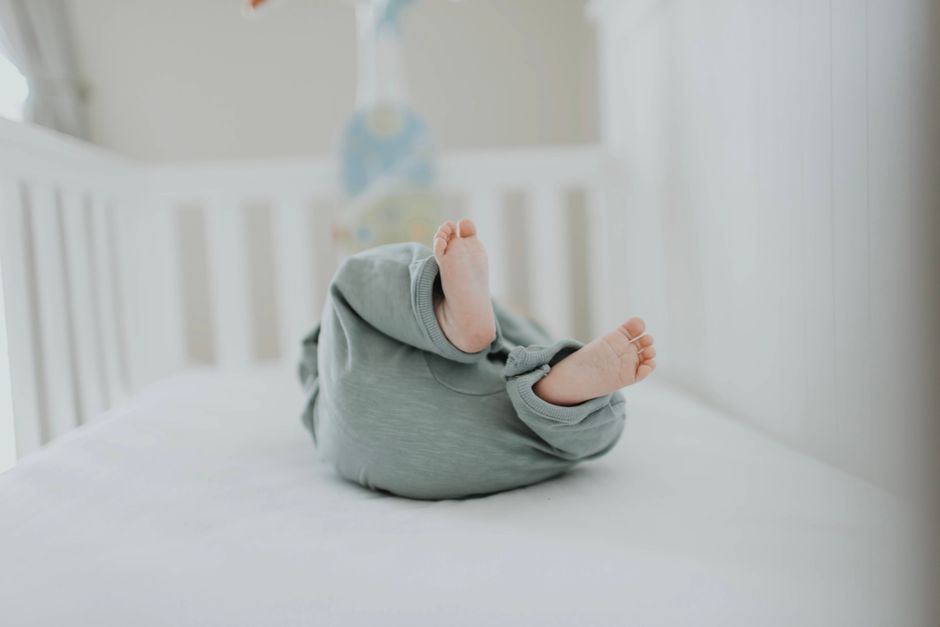
A baby who sleeps better usually means parents who sleep better too. But making a crib comfortable is not about adding pillows, blankets, or padded bumpers. In fact, those things can make a crib less safe. The goal is to create a firm, flat, and comfortable sleep surface that follows safe sleep guidelines from the American Academy of Pediatrics. Research shows that the safest crib is a simple one: a tight-fitting mattress with a fitted sheet and nothing else inside. Comfort comes from the right mattress, the right room temperature, and good sleep habits — not from soft bedding.
What Makes a Crib Mattress Comfortable for a Baby?
The mattress is the most important part of crib comfort. But comfortable for a baby is not the same as comfortable for an adult. Adults like soft, plush mattresses. Babies need firm surfaces. The Consumer Product Safety Commission requires crib mattresses to be firm enough that they do not conform to the shape of a baby’s head. This reduces the risk of suffocation and Sudden Infant Death Syndrome (SIDS).
A firm mattress does not mean an uncomfortable mattress. Look for a mattress made with high-density foam or innerspring coils. The cover should be waterproof but not plasticky. Many parents find that mattresses with a breathable cover feel less sticky in warm weather. The key test: press down on the mattress in the center. If your hand leaves an indentation, it is too soft. Replace it.
Some studies suggest that a slightly warmer mattress surface can help babies settle. But do not use mattress heaters or warming pads. Instead, pre-warm the crib sheet with a hot water bottle for a few minutes before putting the baby down. Remove it before placing the baby in the crib. This is a small trick that some parents report helps, though strong evidence is limited.
Does How To Make A Crib More Comfortable For Baby Actually Work?
Yes, but only when you focus on the right things. Many products claim to make a crib more comfortable — mattress toppers, padded sheets, sleep positioners. Most of these are not recommended by pediatricians. The FDA has warned against sleep positioners because they can increase suffocation risk. Mattress toppers add softness, which is dangerous for infants under 12 months.
What actually works is simple: a quality mattress, a well-fitted sheet, and the right sleep environment. Research published in Pediatrics found that babies fall asleep faster and stay asleep longer in rooms that are slightly cool — around 68 to 72 degrees Fahrenheit. Overheating is a known risk factor for SIDS. So keeping the room comfortable is more effective than adding anything to the crib itself.
Some parents swear by white noise machines. Evidence is mixed. A 2017 study in Sleep Medicine found that white noise helped infants fall asleep faster, but the effect was small. The bigger benefit may be that it masks household sounds that wake a light-sleeping baby. If you use one, keep the volume low — under 50 decibels — and place it across the room, not in the crib.
What Are the Risks of Making a Crib Too Comfortable?
This is where many well-meaning parents get into trouble. Adding soft items to a crib can make it feel more comfortable to an adult. But for a baby under 12 months, soft bedding is a leading cause of accidental suffocation. The CDC reports that about 3,500 infants die each year in the United States from sleep-related deaths, including SIDS and accidental suffocation. Many of these deaths involve soft bedding.
Bumpers are a common example. They seem like they would make the crib cozier and prevent limbs from getting stuck. But the American Academy of Pediatrics strongly advises against them. Bumpers pose a suffocation risk, a strangulation risk, and they do not prevent serious injuries. The slats on a standard crib are narrow enough that a baby cannot get their head stuck. Limbs might slip through, but that is rarely dangerous and usually not painful.
Blankets, pillows, stuffed animals, and positioners all fall into the same category. They make the crib look comfortable but they increase risk. The safest crib is a bare crib. This is not a suggestion — it is the standard recommendation from every major health organization that studies infant sleep safety.
What Does the Research Say About Crib Comfort and Sleep Quality?
Research on infant sleep is clear about one thing: safety and comfort are not in conflict. A firm, flat sleep surface is both safe and comfortable for a baby. Studies using video monitoring show that babies sleep longer on firm mattresses compared to soft ones. This may seem counterintuitive, but think about it from the baby’s perspective. A firm surface provides stable support. A soft surface can feel unstable and can trap heat.
A 2019 study in the Journal of Pediatrics found that room-sharing (but not bed-sharing) was associated with longer sleep duration for infants. Babies who slept in a crib in the same room as their parents woke less often and fell back asleep faster. This suggests that comfort is not just about the mattress. It is about feeling secure and close to a caregiver.
Temperature also plays a role. A study in Archives of Disease in Childhood found that babies slept longer in rooms kept at 68-72°F compared to warmer rooms. Overheating is linked to restless sleep and higher SIDS risk. So one of the most effective ways to make a crib more comfortable is to check the room temperature and dress the baby in one more layer than you would wear. No blankets needed.
What Are the Best Ways to Make a Crib More Comfortable Without Adding Bedding?
You can improve crib comfort without adding anything inside the crib. Here are evidence-based strategies:
- Choose a firm, well-fitting mattress. The gap between mattress and crib sides should be no more than two fingers wide. If you can fit more than two fingers, the mattress is too small.
- Use a fitted sheet made of 100% cotton. Cotton breathes better than synthetic blends. It wicks moisture and helps regulate temperature.
- Keep the room cool. 68-72°F is the target. Use a room thermometer if needed.
- Dress the baby in a sleep sack or wearable blanket. This replaces loose blankets and keeps the baby warm without added risk.
- Use blackout curtains if the room is bright during naps. Light exposure can disrupt sleep cycles in infants just as it does in adults.
- Add white noise at a safe volume. It helps block sudden sounds that can startle a baby awake.
One non-obvious point: the crib mattress itself may need to be replaced. Many parents use a hand-me-down mattress without checking its condition. A mattress that is more than 10 years old may have lost its firmness. It may also have dips or sagging from previous use. If the mattress is not firm and flat, replace it. This is one of the most overlooked factors in crib comfort.
How Does Room Temperature Affect Crib Comfort?
Room temperature is one of the biggest factors in how comfortable a baby feels in the crib. Babies cannot regulate their body temperature as well as adults. They overheat easily and they cool down slowly. A baby who is too warm will be restless and may wake frequently. A baby who is too cold will also have trouble sleeping.
The sweet spot is 68-72°F. This is cooler than many parents assume. If the room feels comfortable to you in a light long-sleeve shirt, it is probably right for the baby. Check the baby’s neck or chest to see if they are sweating or feel clammy. Hands and feet are not a good indicator — they are often cool even when the baby is warm enough.
Dress the baby in a sleep sack with the appropriate tog rating for the room temperature. A 1.0 tog sleep sack is fine for 68-72°F. Use 0.5 tog for warmer rooms and 2.5 tog for cooler rooms. This replaces blankets entirely and keeps the baby at a stable temperature throughout the night.
Common Misconceptions About Crib Comfort
One common belief is that babies need a soft surface to sleep well. This is not true. Infants are not like adults. They do not have the same pressure points or joint issues. A firm surface does not bother them. In fact, research shows that babies sleep more soundly on firm surfaces because they do not sink in and they stay cooler.
Another myth is that crib bumpers prevent injury. They do not. The Consumer Product Safety Commission has stated that bumpers do not prevent bruises or broken bones from slats. What they do is add a suffocation and strangulation hazard. The same goes for crib tents and similar products. They are not recommended.
Some parents believe that adding a mattress topper makes the crib more comfortable. This is dangerous. Mattress toppers add a soft layer that increases the risk of suffocation, especially for babies under 12 months. If the mattress feels too hard, it is likely the right firmness. If it actually is too hard — meaning it does not compress at all when you push on it — it may be old and should be replaced, not padded.
Finally, some people think that a baby who cries in the crib is uncomfortable. Sometimes that is true. But often it is a sign of something else: hunger, a wet diaper, being overtired, or simply wanting to be held. Before assuming the crib is the problem, check the basics. A comfortable crib will not fix every sleep issue.
Frequently Asked Questions
Can I use a mattress topper in a crib?
No. Mattress toppers add softness and increase the risk of suffocation. The crib mattress should be firm and flat with only a fitted sheet on top.
What is the best crib mattress firmness for a baby?
The mattress should be firm enough that it does not indent when you press down on it. A good test is to press in the center — if your hand leaves a mark, it is too soft.
Should I use a sleep sack instead of blankets?
Yes. Sleep sacks are safer than loose blankets because they stay in place and cannot cover the baby’s face. They also help regulate body temperature.
How do I know if my baby is too hot in the crib?
Check the baby’s neck or chest. If it feels sweaty or clammy, remove a layer. The room should be 68-72°F for safe and comfortable sleep.
