
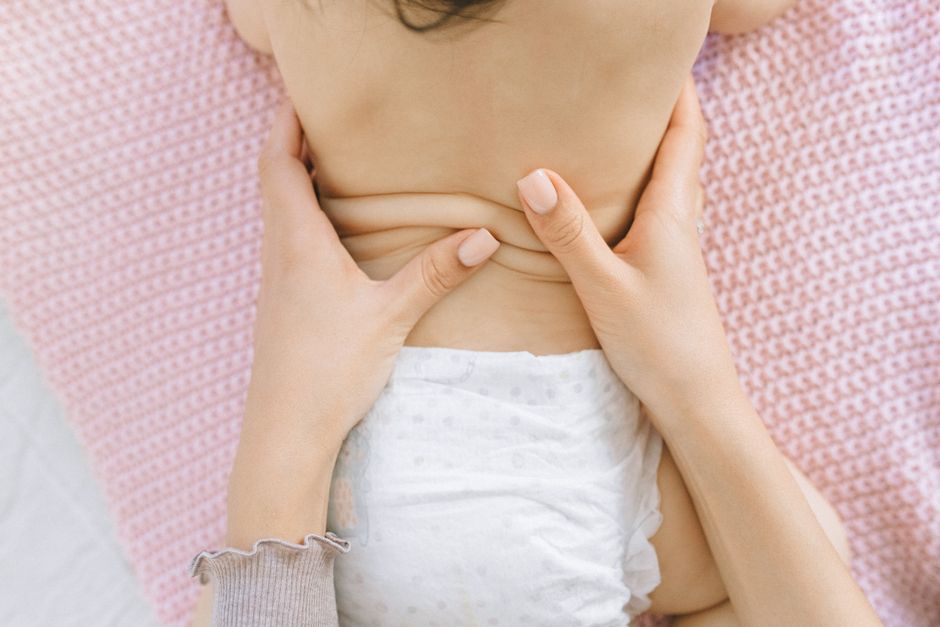
If your child is uncomfortable and backed up, the fastest natural way to help them poop is usually a combination of extra water, high-fiber foods like prunes or beans, gentle physical activity, and a warm bath to relax the muscles. For a child who is clearly constipated, a doctor may recommend an over-the-counter osmotic laxative such as polyethylene glycol, but you should check with a pediatrician before giving any laxative to a child. There is no safe way to force a bowel movement quickly, and some common home remedies can actually be harmful.
What Counts as Constipation in a Child?
Constipation is not defined by how often a child goes. It is defined by stool that is hard, dry, painful to pass, or unusually large. A child who poops every other day but passes soft stool without pain is not constipated.
Frequency varies widely by age. Infants may poop several times a day or once every few days, and both can be normal, especially in breastfed babies. After a child starts eating solid food and later toilet trains, patterns shift again. What matters more than the number is the consistency and whether passing stool hurts.
Doctors often use what is called the Rome criteria to diagnose functional constipation in children. The key features include two or fewer bowel movements per week, at least one episode of stool holding or painful hard stools per week, or a history of large stools that clog the toilet. These signs need to be present for at least a month before a diagnosis is made.
One detail that surprises many parents: soiling in underwear is often a sign of constipation, not diarrhea or laziness. When hard stool backs up, loose stool can leak around it. A child who has accidents may be severely backed up.
Why Is My Child Constipated?
Most childhood constipation is functional, meaning the bowel itself is healthy but stool has become hard and difficult to pass. The most common causes are not enough fiber or fluid, waiting too long to use the bathroom, and the cycle that follows when a painful bowel movement makes a child afraid to try again.
That fear response matters more than most parents realize. Once a child associates pooping with pain, they clench and hold. Holding lets the stool sit longer, which pulls more water out of it, which makes it harder. The cycle feeds itself.
Other contributors include:
- Diet low in fruits, vegetables, and whole grains
- Not drinking enough water, especially in hot weather or during illness
- Starting school or daycare, where a child avoids unfamiliar bathrooms
- Toilet training pressure or timing that does not match the child’s readiness
- Some medications, including certain iron supplements and some allergy medicines
- Rarely, an underlying medical condition such as hypothyroidism or a structural problem
A pediatrician should evaluate constipation that starts suddenly in an older child, comes with weight loss, blood in the stool, vomiting, or severe abdominal pain, or does not improve with standard home care.
What Foods Help a Child Poop Fast?
Foods that draw water into the stool or add bulk to it work fastest. Prunes and prune juice are the most commonly recommended, and they have a long history of use for this purpose. Pears, apples with the skin, peaches, plums, and watermelon are also helpful.
Fiber-rich options include beans, lentils, oatmeal, whole wheat bread, and berries. The catch is that fiber only helps if the child is also drinking enough fluid. Adding fiber without water can make constipation worse, not better.
Here is a general look at where fiber is found:
| Food | Approximate fiber per serving |
|---|---|
| Cooked beans (½ cup) | 6–8 grams |
| Oatmeal (1 cup cooked) | 4 grams |
| Pear with skin (1 medium) | 5 grams |
| Prunes (¼ cup) | 3 grams |
| Whole wheat bread (1 slice) | 2 grams |
Exact fiber needs depend on the child’s age and are best discussed with a pediatrician. The commonly cited target for children is roughly their age plus 5 grams per day, but this is a general guide, not a strict rule.
Foods that can slow things down include large amounts of dairy, white rice, bananas, and processed snacks. This does not mean these foods are bad. It means that during a bout of constipation, it helps to lean on the foods that move things along.
Does Water and Juice Really Help?
Fluids help, but the type matters. Water is the foundation. Without enough water, the colon pulls moisture out of stool and it becomes hard. Extra water is one of the simplest steps a parent can take.
Juice is more complicated. Apple and pear juice contain sorbitol, a natural sugar that draws water into the bowel and can soften stool. Prune juice works the same way. For an occasional bout of constipation, a small amount of these juices can help.
But juice is not a long-term solution. Too much juice adds sugar and can replace more nutritious foods. The American Academy of Pediatrics recommends limiting juice for children, and the specific amount depends on age. Water and whole fruit are better everyday choices.
Warm liquids can also help. A warm drink in the morning sometimes stimulates the urge to go, which is why many adults drink coffee for the same reason.
Can Exercise and Baths Help a Child Poop?
Movement helps move stool through the bowel. A child who is active is more likely to have regular bowel movements than one who sits still for long stretches. Running, jumping, and playing outside all count.
A warm bath can relax the muscles around the anus, which sometimes makes it easier to pass a hard stool. It is not a guaranteed fix, but it is gentle and safe. Some children find that sitting in warm water eases the discomfort enough to go.
Position matters too. When a child sits on the toilet, having their feet supported on a stool so the knees are slightly higher than the hips can make passing stool easier. This is a mechanical change, not a treatment, but many parents find it helps.
What About Laxatives and Supplements?
This is where parents need to be careful. Laxatives can be effective, but they are not the same as a home remedy, and they should not be given to a child without medical guidance. The choice of product, the dose, and the duration all depend on the child’s age, weight, and situation.
Polyethylene glycol 3350 is the osmotic laxative most often recommended by pediatricians for childhood constipation. It works by holding water in the stool. It is generally well tolerated, but dosing for children should come from a doctor, not from a package or a website.
Some products marketed for constipation are not appropriate for children. Mineral oil, stimulant laxatives, and enemas all carry risks and should only be used under medical direction. Herbal teas and “detox” products marketed for regularity have no established place in pediatric care and some contain ingredients that can be harmful to children.
Fiber supplements can help older children, but they must be paired with enough fluid. A fiber gummy without water can backfire.
When Should You Call a Doctor?
Most constipation in children improves with diet, fluids, and time. But some situations need medical attention right away.
Call a doctor if your child has:
- Severe abdominal pain or a hard, swollen belly
- Vomiting, especially with a green or yellow color
- Blood in the stool
- Weight loss or poor growth
- Constipation that has lasted more than two weeks despite home care
- Soiling that the child cannot control
- Constipation that started suddenly in a child who was previously regular
In newborns and infants, constipation is uncommon, and any concerns should be raised with a pediatrician promptly. Do not give an infant a laxative or home remedy without medical guidance.
How Can You Prevent Constipation in the First Place?
Prevention looks a lot like treatment. A diet with plenty of fruits, vegetables, and whole grains, enough water, regular physical activity, and a relaxed bathroom routine all help keep stool soft and regular.
Encourage your child to sit on the toilet after meals, when the body’s natural reflex is strongest. Do not rush them or make it a battle. A child who feels pressured is more likely to hold, not less.
Keep an eye on patterns. If your child starts avoiding the bathroom or complaining of pain, address it early. Catching constipation before it becomes a painful cycle is far easier than breaking that cycle once it starts.
Frequently Asked Questions
How long does it take for a child to poop after eating prunes?
Prunes and prune juice can soften stool within several hours to a day in some children, but the timing varies. They work best when the child is also drinking enough water.
Is apple juice or prune juice better for constipation?
Both contain sorbitol, which draws water into the bowel, but prune juice tends to be more effective for most children. Apple juice is a reasonable option, though too much can add unnecessary sugar.
Can I give my child a laxative without asking a doctor?
No. Laxative choice and dosing for children depend on age, weight, and the cause of constipation, so a pediatrician should guide this decision. Some products sold for adults are not safe for children.
When is constipation in a child a medical emergency?
Seek care right away for severe belly pain, a hard swollen abdomen, vomiting, blood in the stool, or weight loss. These signs can point to a problem beyond simple constipation.
