
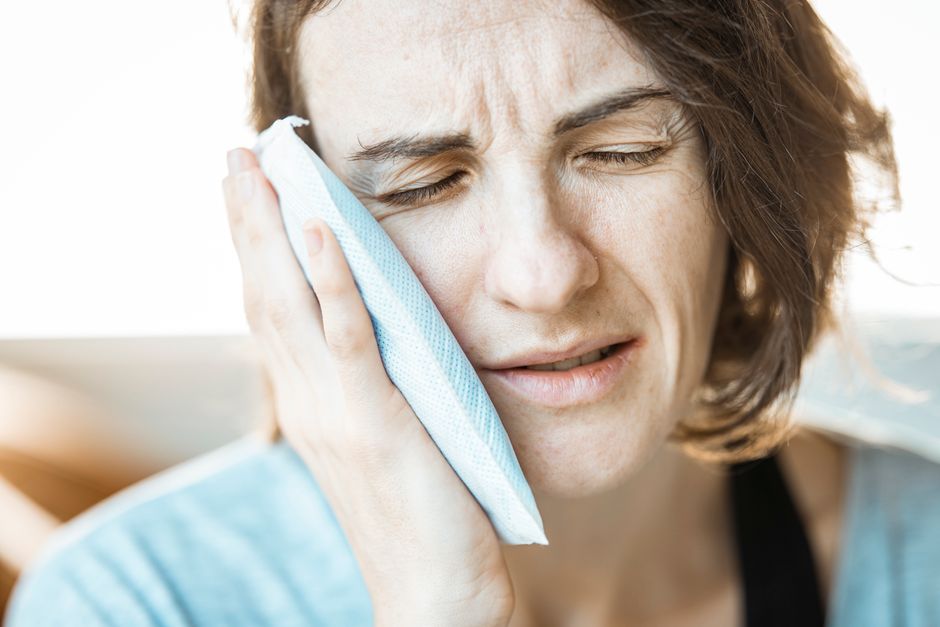
A canker sore usually heals on its own in one to two weeks. You cannot cure one overnight, but you can ease the pain, protect the sore from irritation, and sometimes shorten how long it lasts. The single most effective step is to stop making it worse — avoid acidic, salty, and spicy foods, and keep the area clean.
Canker sores are shallow, painful open lesions inside the mouth. They are not cold sores, which are caused by a virus and usually appear on the outside of the lips. Knowing which one you have matters, because the treatments are different.
What Is A Canker Sore And What Causes It?
A canker sore is a small ulcer that forms on the soft tissue inside your mouth — the inner lips, cheeks, tongue, or the base of the gums. Doctors call them aphthous ulcers. They are not contagious.
Most are minor and heal in about one to two weeks without scarring. A smaller number are larger, deeper, and can take several weeks to heal, sometimes leaving a scar. A third type appears as clusters of tiny pinhead-sized sores.
The exact cause is not fully understood. What researchers do know is that several triggers are associated with outbreaks:
- Minor mouth injury from dental work, hard brushing, or a slip of the toothbrush
- Accidentally biting the inside of your lip or cheek
- Acidic or spicy foods, especially citrus, tomatoes, and pineapple
- Emotional stress
- Hormonal changes, including around menstrual periods
- Stopping smoking, in some people
- Certain vitamin deficiencies, particularly B12, folate, and iron
- Some medications
Some people get them repeatedly. This pattern is called recurrent aphthous stomatitis. It tends to run in families, which suggests genetics play a role.
One clarification worth making: canker sores are not caused by poor hygiene, and they are not a sign that you are dirty or unhealthy. That idea is a common myth. They also are not the same as fever blisters or cold sores, which are caused by the herpes simplex virus and are contagious.
How To Make A Canker Sore Go Away Faster
No treatment reliably makes a canker sore disappear in a day. What you can do is reduce irritation, manage pain, and in some cases nudge the healing process along. Here is what the evidence supports.
Protect the sore from further irritation
The sore heals faster when you stop aggravating it. That means avoiding the foods and habits that make it sting. This is not a small point — repeated irritation can prolong healing.
- Skip acidic foods: citrus, tomatoes, vinegar, and pineapple
- Avoid salty snacks, spicy sauces, and rough-textured foods like chips
- Use a soft-bristled toothbrush and brush gently
- Choose a toothpaste without sodium lauryl sulfate if you get sores often — some studies suggest it may help reduce outbreaks, though the evidence is not conclusive
Use a protective oral gel or rinse
Over-the-counter products can coat the sore and reduce pain. Some contain a mild anesthetic like benzocaine, and some form a protective film over the ulcer. These do not cure the sore, but they can make eating and talking less painful for a short time.
Prescription options exist for more stubborn cases. These include topical corticosteroids, which reduce inflammation, and in some cases a prescription mouth rinse. These are typically reserved for people who get frequent or severe sores. A clinician decides whether they are appropriate.
Manage pain with standard pain relievers
For general pain, an over-the-counter pain reliever such as acetaminophen or ibuprofen may help. Follow the label directions. Do not place an aspirin tablet directly on the sore — this can burn the tissue and make things worse. That is an old home remedy that does more harm than good.
Keep the mouth clean
Rinsing with salt water or a mild baking soda solution can soothe the area and keep it clean. This is a comfort measure, not a cure. It does not kill the cause, because there is no single infectious cause to kill.
Do Home Remedies For Canker Sores Actually Work?
Some home remedies have modest support, and others have none. Here is an honest breakdown.
Salt water or baking soda rinses. These can reduce pain and keep the area clean. They will not speed healing dramatically, but they are low-risk comfort measures.
Honey. Some small studies suggest honey may help soothe and possibly speed healing because it has mild antibacterial properties. The evidence is limited and the studies are small.
Chamomile or other herbal rinses. Some research indicates mild anti-inflammatory benefit. Again, the evidence is not strong.
Ice. Sucking on ice or applying cold can numb the area and reduce swelling. This is a comfort measure with no healing claim.
Placing aspirin on the sore. Do not do this. It can cause a chemical burn to the gum tissue.
Vitamin supplements. If you have a documented deficiency in B12, folate, or iron, correcting it may reduce how often you get sores. If you are not deficient, taking extra is unlikely to help. Testing is the way to know.





When Should You See A Doctor Or Dentist?
Most canker sores are harmless and heal on their own. But some need medical attention. See a clinician if any of the following apply:
- A sore that does not heal within two weeks
- Sores that are unusually large or spreading
- Sores that come back very often, making it hard to eat or drink
- Severe pain that you cannot control with over-the-counter options
- Fever, swollen lymph nodes, or feeling generally unwell along with the sores
- Sores that appear along with sores elsewhere on the body
A non-healing mouth ulcer needs to be looked at. In rare cases, a persistent mouth sore can be a sign of something more serious, including oral cancer. This is not meant to alarm you — most non-healing sores turn out to be benign. But a sore that lasts more than two weeks should be evaluated rather than watched at home.
How Long Do Canker Sores Last And Can You Prevent Them?
Minor canker sores typically heal in one to two weeks. Larger ones can take longer. There is no way to guarantee you will never get another one, but you can reduce how often they appear.
- Identify and avoid your personal triggers, such as specific foods or stress
- Use a soft toothbrush and be careful when brushing
- Manage stress where you can
- Treat any underlying vitamin deficiency if one is found
- Ask a clinician about preventive treatment if you get sores frequently
For people with frequent outbreaks, some clinicians prescribe preventive medication. This is not a first-line approach for occasional sores, and it is a decision made with a healthcare provider based on how often and how severely you get them.
What Makes A Canker Sore Worse?
Certain habits and foods clearly aggravate canker sores and can slow healing. Avoiding them is one of the most practical things you can do.
- Acidic and spicy foods that sting on contact
- Rough or sharp foods that scrape the sore
- Alcohol and tobacco, which irritate mouth tissue
- Aggressive brushing or flossing near the sore
- Touching or picking at the sore with your fingers or tongue
Picking at a canker sore is a common mistake. It can reopen the healing tissue and extend how long the sore lasts. Hands off is the better approach.
Frequently Asked Questions
How long does a canker sore take to heal?
Most minor canker sores heal in one to two weeks without treatment. Larger or deeper sores can take several weeks.
What is the fastest way to get rid of a canker sore?
There is no way to cure one overnight, but avoiding acidic and spicy foods, using a protective gel, and keeping the area clean can reduce pain and may help it heal on schedule. Prescription treatments from a clinician are an option for severe or frequent sores.
Are canker sores contagious?
No, canker sores are not contagious. They are different from cold sores, which are caused by a virus and can spread to other people.
When should I worry about a canker sore?
See a doctor or dentist if a sore does not heal within two weeks, is unusually large, or comes with fever or swollen lymph nodes. A persistent mouth sore should always be evaluated.
