
Ice first, heat later. That is the short answer. Cold slows bleeding and swelling in the first day or two after a bruise forms, and warmth helps clear trapped blood once the injury is no longer fresh. Neither one makes a bruise vanish overnight, but using them at the right time can reduce how dark and how long-lasting it is.
A bruise is bleeding under the skin. Small blood vessels break after a bump, and blood leaks into the tissue. Your body then has to break that blood down and carry it away. That process takes time, and it follows a fairly predictable path. Understanding it explains why timing matters more than any single remedy.
What Actually Happens Under the Skin When You Bruise
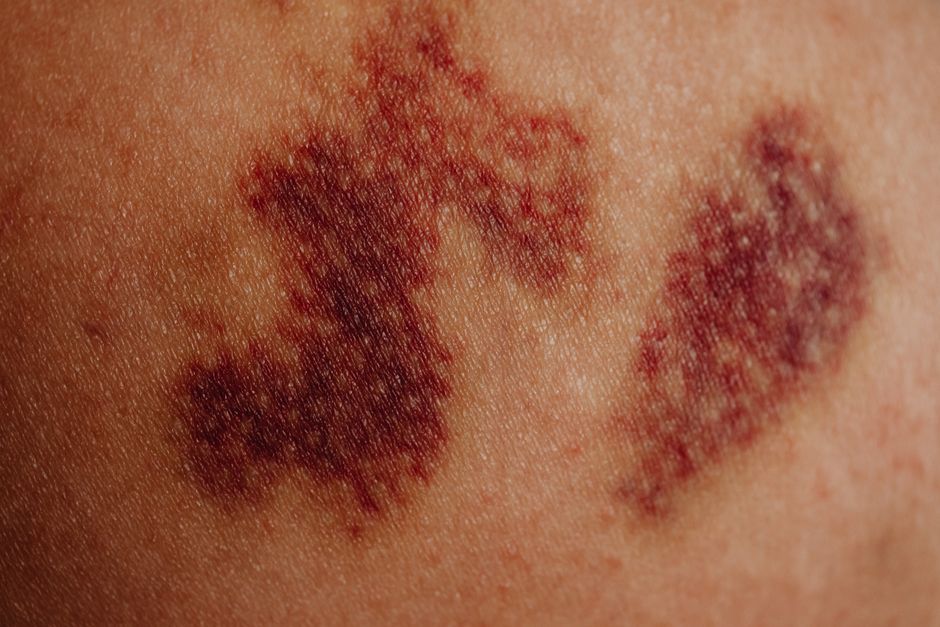
A bruise is a collection of blood outside your blood vessels. When a blow breaks tiny vessels called capillaries, blood seeps into the surrounding tissue. The skin stays intact, so the blood pools underneath. That pooled blood is what you see as a dark mark.
The color changes people notice follow a rough sequence. A fresh bruise is often red or purple because the blood is still oxygen-rich. Over the next days it can turn blue, then green, then yellow or brown. Those shifts are not random. They reflect hemoglobin breaking down into other pigments, including biliverdin and bilirubin, as your body processes the trapped blood.
That color timeline is a general pattern, not a strict schedule. Bruises fade at different rates depending on where they are, how deep the injury went, and who you are. A bruise on a thigh with more padding may look different from one on a shin where the skin sits close to bone.
How To Make A Bruise Heal Faster: Ice, Heat, and Timing
Cold and warmth do different jobs, and using each at the wrong stage works against you. The basic rule is cold for the first 24 to 48 hours, then warmth afterward.
Cold constricts blood vessels. That slows the ongoing leak of blood into the tissue and can limit swelling. Applied early, it targets the active bleeding phase. Warmth does the opposite. It dilates blood vessels and increases blood flow to the area, which supports the body’s cleanup of blood that has already collected. That is why heat belongs later, once fresh bleeding has stopped.
The practical steps are simple:
- Apply a cold pack wrapped in a thin cloth for about 15 to 20 minutes at a time, several times a day, during the first day or two.
- Never place ice directly on bare skin. Direct contact can damage skin and, in some cases, cause a cold injury.
- After the first day or two, switch to a warm compress for similar short sessions to encourage blood flow.
- Rest the area and, where possible, raise it above heart level to help fluid drain.
- Avoid massaging a fresh bruise hard, which can disturb the injury further.
One clarification worth knowing: ice does not “make the blood disappear.” It reduces additional bleeding and swelling. The blood already in the tissue still has to be cleared by your body, and no compress speeds that cleanup dramatically. Ice mainly limits how much worse the bruise gets.
Should You Use Heat or Ice First?
Ice comes first, and heat comes after. This order is not a preference. It matches what is happening in the tissue at each stage.
In the first day or two, vessels may still be leaking. Heat at this point can increase blood flow and potentially worsen swelling or bleeding. Once that window passes and the injury is no longer actively bleeding, warmth can help the area feel more comfortable and support circulation.
If you are unsure which stage you are in, cold is the safer default early on. It is far more common for people to apply heat too soon than to apply cold too late.





What Else Helps a Bruise Fade
Rest and elevation are quietly useful. Keeping the injured area still limits further vessel damage, and raising it above the level of your heart lets gravity help fluid move away from the site. These steps are not dramatic, but they support the same goals as ice without the risks of temperature extremes.
Some people use topical products marketed for bruises. The evidence for most of these is limited. Arnica is a common ingredient in bruise creams, and some small studies suggest it may modestly reduce bruising, but the research is not strong enough to call it proven. No topical product has been shown in large trials to reliably speed bruise resolution.
General healing basics matter too. Bruises heal with the body’s own repair systems, which depend on adequate nutrition and rest. There is no food or supplement with strong evidence that specifically speeds bruise clearing.
When a Bruise Is a Sign of Something More
Most bruises are minor and fade on their own within about two weeks, though some take longer. A bruise that keeps growing, becomes very painful, or forms a firm lump may need medical attention. A large collection of blood can sometimes pool into a hematoma, which is a more significant injury than a simple bruise.
Some bruises are worth a doctor’s visit regardless of how they look:
- Bruises that appear without any injury or bump.
- Bruises that keep appearing or are unusually large for the impact.
- Bruising along with bleeding gums, nosebleeds, or blood in stool or urine.
- A bruise that is not improving after a couple of weeks.
- Bruising in someone taking a blood thinner, which can make bleeding more significant.
Easy bruising can have many causes. These include age-related thinning of skin and blood vessels, certain medications, and in some cases underlying conditions affecting platelets or clotting. A single unexplained bruise is common and often harmless. A pattern of them deserves a conversation with a clinician rather than a guess.
Why Some People Bruise More Than Others
Bruising varies a lot from person to person, and much of that is normal. As skin and the small vessels within it thin with age, bruises can appear more easily and look darker. Sun exposure over years has a similar effect on skin and vessel fragility.
Medications are a major factor. Blood thinners and some pain relievers that affect platelet function can make bruising more likely and more noticeable. This is a known effect, not a sign that something is wrong with the drug itself, but it is worth understanding.
Genetics and body composition play a role too. Some people simply have more fragile capillaries. Others have more subcutaneous fat that cushions impact. None of this means a bruise is being handled poorly by the body. It usually reflects how easily the vessels break in the first place.
Frequently Asked Questions
Does ice actually make a bruise heal faster?
Ice does not speed up the breakdown of blood already in the tissue, but it can limit further bleeding and swelling if applied early. That can keep a bruise from becoming larger or darker.
How long should you ice a bruise?
Apply a wrapped cold pack for about 15 to 20 minutes at a time during the first day or two. Never place ice directly on bare skin.
Can you put heat on a bruise right away?
No. Heat is best avoided in the first day or two because it can increase blood flow and swelling. Switch to warmth once the injury is no longer fresh.
How long does a bruise usually take to fade?
Most minor bruises fade within about two weeks, though some take longer depending on location and size. A bruise that is not improving after a couple of weeks is worth having checked.
