
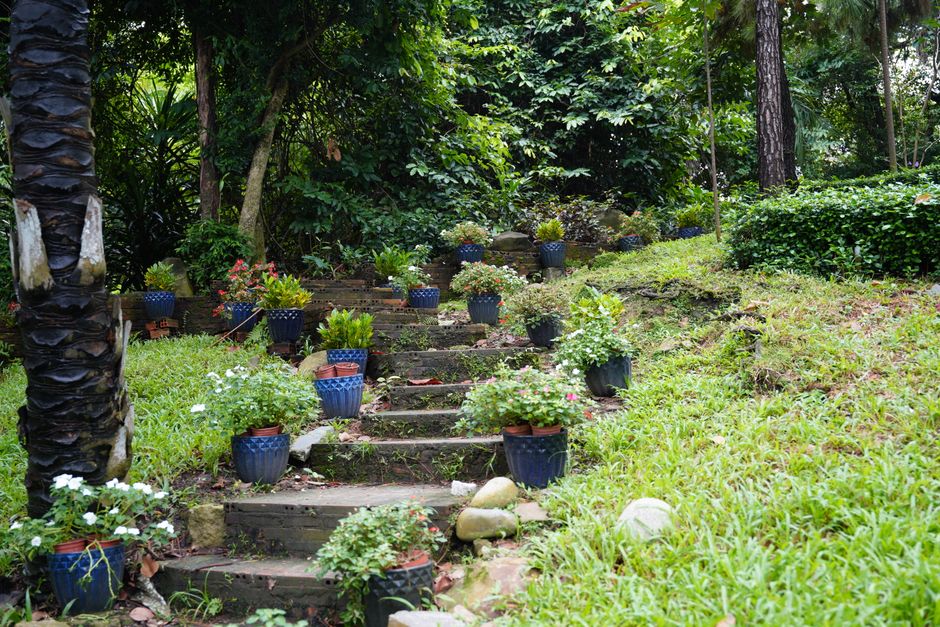
A botanical garden is a living collection of plants grown for study, conservation, and public enjoyment. Making one step by step means choosing a site, testing and improving the soil, planning your plant layout, planting in the right seasons, and setting up a simple care routine you can keep up with. You do not need a large property or a formal degree. A clear plan and patience with the soil will get you most of the way.
What separates a botanical garden from an ordinary flower bed is intent. The plants are organized and documented. Each one has a purpose, a label, and a reason for being where it is. That structure is what makes the space educational and worth returning to season after season.
What Makes a Garden “Botanical”?
A botanical garden is defined by how it is organized, not by its size. The core features are a documented plant collection, some form of labeling, and a layout that groups plants by a clear system.
The most common organizing systems are:
- Taxonomic — plants grouped by family and genus, the way a biologist would arrange them
- Geographic — plants from the same region grown together
- Habitat — plants that share growing conditions, like a bog garden or a dry slope
- Thematic — medicinal plants, edible plants, native pollinators, or heritage varieties
Large public gardens often mix several systems. A home botanical garden usually works best with one or two. Trying to do all four at once tends to produce a collection that is hard to maintain and harder to explain to visitors.
Labeling matters more than most people expect. A simple weatherproof tag with the common name, the botanical name, and the year planted turns a pretty border into something you can actually learn from. Records also help you notice what survives and what does not, which is the whole point of keeping a collection.
How To Make A Botanical Garden Step By Step?
The process follows a fixed order. Skipping a step usually costs you plants later.
Step 1: Pick the site. Watch your yard across a full day before deciding. Note where sun lands in the morning, at noon, and late afternoon. Note where water pools after rain. Most garden plants need at least six hours of direct sun, though shade plants exist for a reason and a botanical collection can include both. A site with mixed light is often the most interesting.
Step 2: Test the soil. A soil test through your state or county extension service is inexpensive and gives you pH, nutrient levels, and often soil texture. This is the single most useful piece of information you can have. Guessing at soil chemistry leads to years of adding amendments that were never needed.
Step 3: Improve the soil. Add organic matter such as compost and work it into the top several inches. Organic matter improves drainage in clay and water retention in sand, which is why it helps across a wide range of soil types. If your test shows a pH problem, address it based on the test results rather than a general rule.
Step 4: Draw the layout on paper. Mark paths, beds, and any structures. Leave paths wide enough to walk and to move a wheelbarrow. Plan beds no wider than you can reach across from both sides, usually about four feet, so you are not stepping into the soil to weed.
Step 5: Choose plants for your conditions. Match plants to your light, soil, and climate zone rather than choosing first and adapting later. Include a mix of trees, shrubs, perennials, and groundcovers so the garden has structure in every season.
Step 6: Plant at the right time. In most temperate climates, spring and early fall are the safest windows for perennials and shrubs. Fall planting gives roots time to establish before summer heat. Trees and shrubs generally do best when planted while dormant.
Step 7: Label and record. Tag each plant and keep a simple log. Note the source, the planting date, and how it performs.
Step 8: Set up a care routine. Water deeply and less often rather than lightly and frequently. Mulch to suppress weeds and hold moisture. Check plants weekly for pests and disease during the growing season.
How Should You Plan the Layout and Plant Selection?
Plan the bones of the garden first and the flowers second. Trees, shrubs, and hardscape define the space. Perennials and annuals fill it in.
Group plants by their water and light needs. This is not just aesthetic. Plants with similar requirements can be watered and tended together, which saves time and reduces plant loss. A dry-loving plant sitting in a bed of moisture-lovers will struggle no matter how good the soil is.
Think about the calendar, not just the peak of summer. A collection that blooms for three weeks and looks bare the rest of the year is a disappointment. Include plants with interesting bark, seed heads, and foliage so the garden holds up across seasons.
Include native plants where they fit your design. Native species are adapted to local rainfall, soil, and climate, and they support local insects and birds in ways that many introduced plants do not. This is well established in ecology. It does not mean every plant must be native, but a strong native presence usually makes a garden easier to maintain.
Leave room to expand. Almost every gardener eventually wants more space or a new group of plants. Designing with a little open ground makes that possible without tearing up what you built.
What Tools and Materials Do You Need?
You need less than the shelves at a garden center suggest. The essentials are a spade, a hand trowel, a rake, a hose or watering can, pruners, gloves, and a wheelbarrow or bucket. A soil test kit or extension service test is worth the small cost.
For materials, plan on compost or other organic matter, mulch, plant labels, and the plants themselves. If you are building raised beds or paths, add lumber or stone. A simple notebook or spreadsheet for records costs nothing and does more for a botanical collection than most tools.
Skip anything that promises to solve a problem you have not confirmed you have. Additives sold as soil boosters or plant stimulants often have little independent evidence behind them. Fix the soil test results first.
How Do You Care for a Botanical Garden Over Time?
Maintenance is where a garden either matures or falls apart. The work is steady rather than heavy if you stay ahead of it.
Water deeply and infrequently. Shallow daily watering encourages weak, surface-level roots. A slow, deep soak less often pushes roots downward and builds a more drought-tolerant plant. Water early in the day when you can.
Mulch each spring. A layer of organic mulch holds moisture, moderates soil temperature, and cuts down on weeds. Keep mulch a few inches away from stems and trunks to avoid trapping moisture against plant tissue.
Prune with purpose. Remove dead, damaged, or crossing branches. For flowering shrubs, timing matters because pruning at the wrong time of year can remove the buds that would have bloomed. If you are unsure about a specific plant, check a reliable reference for that species before cutting.
Watch for problems early. Most pest and disease issues are easier to manage when caught small. Learn to tell the difference between cosmetic damage and something that threatens the plant. Many insects in a garden are beneficial or harmless, and not every chewed leaf needs action.
Divide and replant. Many perennials benefit from being divided every few years when they become crowded or bloom less. This also gives you free plants to expand the collection or share.
Keep records current. Note what died, what thrived, and what you would do differently. Over a few years these notes become the most valuable thing in the garden.
Common Mistakes to Avoid
The most common mistake is planting before testing the soil. It is tempting to buy plants the same day you decide to start. But soil chemistry and drainage determine whether those plants live, and fixing the soil after planting is far harder than fixing it before.
Another frequent error is planting too close together. New plants look small and the gaps feel wasteful, so people crowd them. Within a year or two the plants are competing for light and air, and disease spreads more easily in the tight growth. Read the mature size on the label and space accordingly.
Overwatering kills more houseplants and garden plants than underwatering in many settings. Roots need oxygen. Soil that stays constantly wet can suffocate roots and invite rot.
Finally, choosing plants for their looks alone without checking whether they suit your climate and light ignores the single biggest factor in whether they survive. A beautiful plant in the wrong spot is a short-lived one.
How Long Does It Take to Establish?
A garden is never truly finished, but it takes shape over a few seasons. Annuals and fast-growing perennials can fill a bed in a single season. Shrubs typically need a few years to reach their intended size. Trees take much longer, often a decade or more to mature.
Expect the first year to look sparse. The second year usually shows real growth as roots establish. By the third year, most perennial plantings begin to look like the design you drew. This timeline varies widely with climate, plant choices, and how well the soil was prepared, so treat it as a general pattern rather than a fixed schedule.
The patience is the point. A botanical garden is a long project, and the collection improves as you learn what your specific site can support.
Frequently Asked Questions
What is the difference between a botanical garden and a regular garden?
A botanical garden is organized and documented as a plant collection, usually with labels and records, while a regular garden is often arranged for appearance alone. The structure and record-keeping are what define it.
Do I need a large space to make a botanical garden?
No. A botanical garden can fit in a small yard or even a few raised beds, because what defines it is how the plants are organized and labeled rather than the total area. A focused collection of well-documented plants works at almost any scale.
What is the best time of year to plant a botanical garden?
In most temperate climates, spring and early fall are the safest windows for perennials and shrubs, while trees and shrubs generally do best planted while dormant. Local climate and the specific plant both affect the ideal timing.
How do I know what soil my plants need?
A soil test through your state or county extension service gives you pH, nutrient levels, and often texture, which tells you what will grow well and what needs adjusting. Testing before planting is far more reliable than guessing.
