
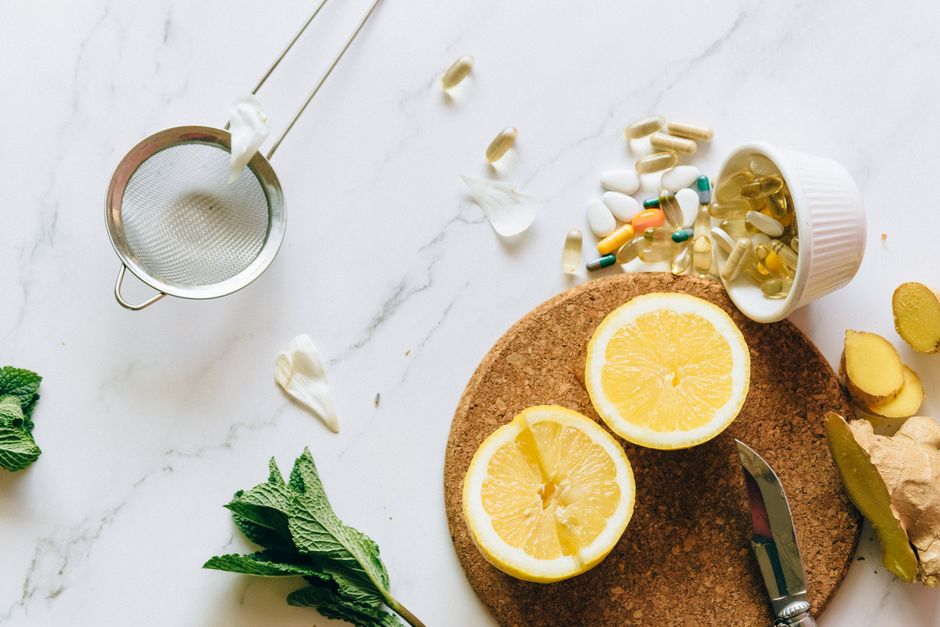
Your liver performs more than 500 jobs in your body. It filters toxins from your blood, makes bile to digest fat, stores vitamins and minerals, and helps control blood sugar. Unlike many organs, it can repair itself after damage. But that repair has limits. Maintaining liver health comes down to a small number of well-established habits: limiting alcohol, keeping weight in a healthy range, avoiding unnecessary medications and supplements, getting vaccinated against hepatitis, and having regular checkups if you have risk factors. There is no single pill or detox product that protects the liver. The evidence for liver “cleanses” is essentially absent.
What Does the Liver Actually Do?
The liver is the largest internal organ, weighing about three pounds in a typical adult. It sits in the upper right part of the abdomen, tucked under the rib cage.
Its core jobs are well established in physiology:
- Processing nutrients. After you eat, blood from the intestines flows straight to the liver. The liver stores glucose as glycogen, builds proteins, and packages fats for transport.
- Breaking down toxins. The liver uses enzymes to chemically change drugs, alcohol, and waste products so they can be removed from the body.
- Making bile. Bile is stored in the gallbladder and released into the intestine to help absorb fat and fat-soluble vitamins.
- Making clotting factors. The liver produces proteins your blood needs to clot. This is one reason liver failure can cause dangerous bleeding.
- Storing iron and some vitamins. The liver holds reserves of vitamin A, vitamin D, vitamin B12, and iron.
The liver has a remarkable ability to regenerate. If part of it is removed, the remaining tissue can grow back. But regeneration is not unlimited. Ongoing injury from alcohol, fat buildup, or viral infection can outpace repair and lead to scarring, called fibrosis, and eventually cirrhosis.
How To Maintain Liver Health: The Steps That Matter
Most liver damage is preventable. The habits that protect the liver are not exotic. They are the same habits that protect the heart and blood vessels.
Limit or avoid alcohol
Alcohol is one of the most direct threats to liver cells. The liver breaks alcohol down into acetaldehyde, a compound that damages liver tissue. Heavy drinking over years is a leading cause of cirrhosis in the United States. The risk rises with the amount and duration of drinking. There is no universally “safe” amount for liver health, and some people — those with existing liver disease, hepatitis, or a history of alcohol problems — should avoid it entirely.
Keep weight in a healthy range
Excess body fat, especially around the abdomen, is linked to fat accumulating inside liver cells. This condition, called metabolic dysfunction-associated steatotic liver disease (MASLD, formerly called fatty liver disease), is now one of the most common liver conditions in the U.S. In many people it causes no symptoms for years. Losing a modest amount of weight can reduce liver fat, and some studies suggest even 5% to 10% of body weight can improve liver markers. The evidence for weight loss as a liver-protective step is strong.
Avoid unnecessary medications and supplements
Drug-induced liver injury is a real and well-documented cause of liver problems. Acetaminophen (Tylenol) is safe at recommended doses but can cause severe liver damage in overdose. Some herbal supplements, including certain green tea extracts and weight-loss products, have been linked to liver injury. The key point: “natural” does not mean harmless to the liver. Always tell your doctor about every supplement you take.
Get vaccinated
Vaccines are available for hepatitis A and hepatitis B. Both viruses can damage the liver. Hepatitis B can become chronic and lead to cirrhosis and liver cancer. Vaccination is a proven way to prevent these infections. There is no vaccine for hepatitis C, but effective antiviral treatment can cure it in most people.
Avoid sharing needles and practice safer sex
Hepatitis B and C spread through blood and, for hepatitis B, through sexual contact. Avoiding needle sharing and using condoms reduce transmission risk. These are established routes of infection.
What About “Liver Detox” Products?
No clinical evidence supports the idea that detox products clean the liver. The liver does not need help “flushing out toxins.” It is built to do that on its own.
Products marketed as liver cleanses, teas, and supplements often contain herbs and extracts with unclear effects. Some have been linked to liver injury. A few, like milk thistle, have been studied for liver disease, but the evidence is mixed and does not show clear benefit for most people. No major medical organization recommends routine liver detox products.
If you see a product promising to “cleanse” or “reset” your liver, the honest answer is that no study has confirmed it works, and some have caused harm.
Can Liver Damage Be Treated?
Yes, in many cases. What treatment looks like depends on the cause.
- Alcohol-related liver disease. Stopping drinking is the most important step. It can halt progression and, in early stages, allow some recovery. Some clinicians also use medications and behavioral support to help people stop.
- MASLD (fatty liver). Weight loss through diet and exercise is the main approach. No medication has been proven to reverse MASLD in all patients, though some drugs are being studied and a few have been approved for specific situations. Your doctor can advise on what fits your case.
- Hepatitis B and C. Antiviral medications can suppress or cure these infections. Hepatitis C is curable in most people with modern antiviral drugs. Hepatitis B can be controlled with medication but usually not cured.
- Autoimmune liver diseases. Conditions like autoimmune hepatitis and primary biliary cholangitis are treated with medications that calm the immune attack. These are managed by specialists.
- Cirrhosis. Scarring cannot be reversed, but treatment focuses on slowing progression, managing complications, and monitoring for liver cancer. In advanced cases, liver transplant may be an option.
Treatment for liver disease is not one-size-fits-all. A hepatologist or gastroenterologist can tailor it to the specific cause and stage.
When Should You Get Your Liver Checked?
Liver disease often causes no symptoms until it is advanced. That is why screening matters for people with risk factors.
Talk to your doctor about liver testing if you:
- Have a history of heavy alcohol use
- Have obesity, type 2 diabetes, or metabolic syndrome
- Have ever injected drugs or had a blood transfusion before 1992
- Have a family history of liver disease
- Take medications that can affect the liver long term
Standard liver tests include blood tests for liver enzymes (like ALT and AST), bilirubin, and albumin. Imaging such as ultrasound can check for fat or scarring. These tests are widely available and can detect problems early.
Some people with early liver disease have normal blood tests. That is one reason doctors look at the whole picture, not just one number.
Does Diet and Exercise Really Help?
Yes. Diet and exercise are among the best-supported ways to protect the liver. Research consistently shows that weight loss, even modest, reduces liver fat and inflammation in people with MASLD.
There is no single “liver diet.” A pattern that emphasizes vegetables, fruits, whole grains, lean protein, and healthy fats, while limiting added sugar and processed foods, is reasonable. Coffee has been studied for liver health. Some research suggests regular coffee drinking is linked to lower risk of liver scarring and liver cancer, though the evidence is not strong enough to recommend coffee as a treatment. It is a reasonable habit for most people who already drink it.
Exercise helps even without weight loss. Some studies suggest physical activity reduces liver fat independently of weight change. Aim for regular movement most days, but check with your doctor before starting a new program if you have health conditions.
Frequently Asked Questions
What is the best way to keep your liver healthy?
Limit alcohol, keep weight in a healthy range, avoid unnecessary supplements, and get vaccinated against hepatitis A and B. These steps have the strongest evidence for protecting the liver.
Do liver detox products work?
No clinical evidence confirms that detox products clean or protect the liver. Some have been linked to liver injury, so talk to your doctor before using them.
Can liver damage be reversed?
Early liver damage from alcohol or fat can improve when the cause is removed, such as stopping drinking or losing weight. Scarring from cirrhosis usually cannot be reversed, but treatment can slow progression.
How often should you get liver tests?
There is no single schedule for everyone. Ask your doctor how often you need testing based on your risk factors, such as alcohol use, diabetes, or family history.
