
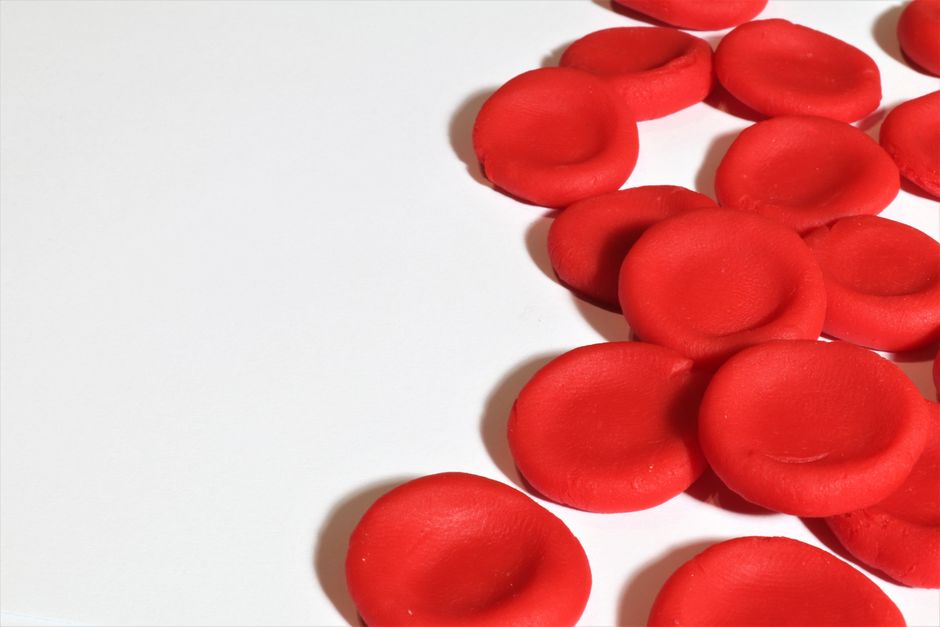
How to lower red blood cell count depends entirely on why it is high. If the cause is low oxygen from sleep apnea or lung disease, treating that condition is the treatment. If the cause is a bone marrow disorder called polycythemia vera, the approach is different and often includes removing blood. There is no single remedy that works for everyone, and some popular “blood thinning” tips online do nothing for red cell count at all.
Red blood cells carry oxygen. When the count climbs too high, blood gets thicker and flows less easily. That raises the workload on the heart and can increase the risk of clots. Doctors call a high red cell count erythrocytosis. When it comes from a bone marrow problem, the term is polycythemia. The distinction matters because the treatments are not the same.
What Counts as a High Red Blood Cell Count?
Normal ranges differ slightly by lab, by sex, and by altitude. A typical reference range for red blood cells in adults is roughly 4.5 to 5.9 million cells per microliter for men and 4.1 to 5.1 million for women. Hemoglobin, the oxygen-carrying protein inside red cells, usually runs about 13.5 to 17.5 grams per deciliter for men and 12.0 to 15.5 for women.
These numbers are not universal. People living at high altitude normally carry more red cells because thinner air holds less oxygen. Smokers and people with chronic lung disease can also sit above the range without a bone marrow disorder. A single high result is a reason to repeat the test, not a diagnosis.
Doctors often use a measurement called hematocrit, which is the percentage of blood volume made up of red cells. A hematocrit above roughly 52 percent in men or 48 percent in women is generally considered elevated. Values in that territory are where the risk of thickened blood starts to matter clinically.
Why Is My Red Blood Cell Count High?
There are two broad reasons red cells rise, and telling them apart is the first step in choosing a treatment. In one, the bone marrow is overproducing red cells on its own. In the other, the bone marrow is responding normally to a signal that the body needs more oxygen.
The first type is called primary erythrocytosis. The most common cause is polycythemia vera, a rare condition where a genetic mutation in the bone marrow drives excess production of all blood cells, not just red cells. It is usually linked to a mutation called JAK2 V617F. Polycythemia vera is uncommon — roughly a few cases per 100,000 people per year — and it usually appears in older adults.
The second type is secondary erythrocytosis. Here the body is genuinely short on oxygen, or it senses a shortage that is not real. Common drivers include:
- Chronic lung disease, such as COPD
- Obstructive sleep apnea, where breathing pauses during sleep lower oxygen
- Living at high altitude
- Smoking, which exposes blood to carbon monoxide and reduces oxygen delivery
- Certain heart conditions that let oxygen-poor blood bypass the lungs
- Rare tumors or kidney conditions that release too much erythropoietin, the hormone that tells the marrow to make red cells
- Testosterone therapy, which can stimulate red cell production
Some people have what is called apparent erythrocytosis. Their red cell mass is normal, but their plasma volume is low, so the concentration looks high on a lab report. This often happens with dehydration or in people with a stocky build. It is not a true excess of red cells, and the treatment is different.
How To Lower Red Blood Cell Count Treatments That Work?
The treatment that works is the one aimed at your specific cause. For secondary erythrocytosis, fixing the underlying problem is the most effective approach. For polycythemia vera, treatment focuses on lowering the red cell mass directly and reducing clot risk.
Treating the underlying cause
If sleep apnea is driving the count up, treating the apnea with a CPAP machine often lowers red cells over time. If smoking is the cause, stopping smoking is the single most effective step. If chronic lung disease is involved, optimizing oxygen therapy and lung treatment can help. These are not quick fixes — red cells live about 120 days, so changes show up gradually over weeks to months, not days.
This is why a doctor will usually check oxygen levels, order a sleep study, and review medications before reaching for anything that directly targets the blood.
Therapeutic phlebotomy
Removing blood is the most direct way to lower red cell count, and it is the mainstay of treatment for polycythemia vera. A procedure called therapeutic phlebotomy draws off a unit of blood, similar to donating blood, which removes red cells and forces the body to make new ones from stored iron. It lowers hematocrit quickly.
For polycythemia vera, the usual target is to keep hematocrit below 45 percent. This threshold comes from a well-known clinical trial that found keeping hematocrit at or below 45 percent reduced cardiovascular events and death compared with a higher target. That is one of the few firm numbers in this field, and it is widely used in practice.
Phlebotomy is generally not the answer for secondary erythrocytosis caused by low oxygen. If the body is already short on oxygen, removing blood can make oxygen delivery worse. That is a key distinction, and it is why identifying the cause first is not optional.
Medications
For polycythemia vera, several drugs can lower red cell production. Hydroxyurea is the most commonly used first-line medication. It slows the bone marrow and reduces the need for frequent phlebotomy. Other options include interferon-based therapies and, in specific situations, a drug called ruxolitinib. The choice depends on age, clot risk, and other health factors, and it is made by a hematologist.
These medications are for polycythemia vera specifically. They are not appropriate for secondary erythrocytosis, where the marrow is behaving normally.
Low-dose aspirin
Low-dose aspirin is commonly prescribed for polycythemia vera to reduce the risk of blood clots, particularly in certain patients. It does not lower the red cell count itself. It addresses the clot risk that comes with thick blood. Whether aspirin is right for you depends on your history of bleeding and other factors, and it should be a decision made with your doctor.
What Does Not Lower Red Blood Cell Count
Drinking more water is often suggested online as a way to “thin the blood.” It can help with apparent erythrocytosis caused by dehydration, because it restores plasma volume and brings the concentration back toward normal. It does not reduce the actual number of red cells. For true erythrocytosis, hydration alone will not fix the problem.
Blood-thinning supplements and foods marketed for circulation do not lower red cell production. No supplement has been shown in clinical trials to reliably reduce red cell count in polycythemia vera or secondary erythrocytosis. The evidence here is essentially absent, and it is worth being direct about that.
Blood donation is sometimes suggested. For people with secondary erythrocytosis, donating blood may be considered in some cases, but it must be done with medical guidance, not on your own. For polycythemia vera, blood centers often cannot accept blood from people with the condition, so the removal happens as a prescribed procedure instead.
When Should You See a Doctor?
A high red cell count on a lab report deserves a conversation with a doctor, even if you feel fine. Polycythemia vera can cause symptoms like headache, dizziness, fatigue, itching after a hot shower, and a reddish complexion, but many people have no symptoms at all. The condition is often found on routine blood work.
Seek care promptly if you have symptoms that could signal a clot — sudden chest pain, shortness of breath, swelling or pain in one leg, or sudden weakness or trouble speaking. These are emergencies regardless of your red cell count.
Because the treatments differ so much by cause, the most useful thing you can do is get a clear diagnosis. A hematologist can distinguish primary from secondary erythrocytosis using blood tests, oxygen measurements, and sometimes a bone marrow evaluation. That diagnosis is what determines which treatment will actually work.
Frequently Asked Questions
Can you lower red blood cell count naturally?
Stopping smoking, treating sleep apnea, and staying well hydrated can help when those are the causes, but they do not treat polycythemia vera. No supplement or food has been shown in clinical trials to reliably lower red cell count.
Does drinking water lower red blood cells?
Water restores plasma volume, which can lower the measured concentration if you were dehydrated, but it does not reduce the actual number of red cells. It will not correct true erythrocytosis.
Is a high red blood cell count dangerous?
It can be. Very high counts thicken the blood and raise the risk of clots, heart attack, and stroke, especially in polycythemia vera. The risk depends on how high the count is and what is causing it.
How long does it take to lower red blood cell count?
It depends on the method. Therapeutic phlebotomy lowers hematocrit within days, while treating an underlying cause like sleep apnea or smoking takes weeks to months because red cells live about 120 days.
