
If a routine blood test shows high liver enzymes, the first thing to understand is that it does not automatically mean liver disease. These enzymes are markers, not diagnoses. They tell your doctor that something may be irritating liver cells, and the cause could be anything from a temporary medication reaction to extra fat stored in the liver to a recent intense workout. How to lower liver enzyme levels naturally depends almost entirely on what is driving them up in the first place. There is no single food, tea, or supplement that reliably brings them down, but there are several well-established steps that address the most common causes.
What Do High Liver Enzymes Actually Mean?
Liver enzymes are proteins that help run chemical reactions inside liver cells. When those cells are injured, inflamed, or under stress, enzymes leak into the bloodstream and show up on a standard blood panel.
The two most commonly measured are ALT (alanine aminotransferase) and AST (aspartate aminotransferase). ALT is more specific to the liver. AST is found in the liver but also in muscle, so a hard workout or muscle injury can raise it on its own.
Other markers your doctor may check include alkaline phosphatase (ALP) and gamma-glutamyl transferase (GGT). Each points toward different parts of the liver or bile system. A mild rise in ALT and AST with no symptoms is common and often linked to fat buildup in the liver, alcohol, or medications.
One important clarification: mildly elevated enzymes are not the same as liver failure. Many people with modest elevations have normal liver function and no long-term damage. The number matters, but the trend over time and the underlying cause matter more.
What Usually Causes Elevated Liver Enzymes?
The most common causes in US adults are metabolic and lifestyle-related, not infectious.
Fatty liver disease now affects a large share of adults, largely tied to excess weight, insulin resistance, and type 2 diabetes. It is the leading reason for mildly abnormal liver tests in people who feel completely fine. Alcohol remains a major cause. So do many medications, including common pain relievers taken in high doses, certain antibiotics, and some cholesterol drugs.
Other causes include viral hepatitis, autoimmune conditions, genetic disorders like hemochromatosis, and less common issues with the bile ducts. Because the list is long, guessing is not useful. Your doctor can narrow it down with a few targeted tests.
- Fatty liver disease linked to weight and blood sugar
- Alcohol use
- Medications and supplements, including some herbal products
- Viral hepatitis B and C
- Autoimmune or genetic liver conditions
- Intense exercise or muscle injury (mainly raises AST)
This is why “lowering liver enzymes” is not really the goal on its own. The goal is finding and addressing the cause.
How To Lower Liver Enzyme Levels Naturally Through Diet
Diet is the single most powerful lever for the most common cause: fatty liver. The evidence here is strong and consistent.
The pattern that helps most is a Mediterranean-style diet. That means plenty of vegetables, fruit, whole grains, legumes, nuts, olive oil, and fish, with less red meat and processed food. Research consistently shows this eating pattern is linked to lower liver fat and improved liver enzymes in people with fatty liver disease.
Reducing added sugar matters a great deal. Fructose, especially from sugary drinks, is processed in the liver and drives fat storage there. Cutting soda and sweetened beverages is one of the most direct steps a person can take.
Weight loss is the strongest single factor. Losing a moderate amount of excess weight — even a modest percentage of body weight — tends to lower liver enzymes and reduce liver fat. The effect is graded: more loss generally means more improvement, though the benefit starts with relatively small changes.
Coffee deserves a mention. Regular coffee drinking is associated with lower liver enzyme levels and less liver scarring in several large studies. This is one of the better-supported dietary findings, though it is not a treatment on its own.



Does Exercise Help Lower Liver Enzymes?
Yes, and it helps independently of weight loss. Both aerobic exercise and resistance training have been shown to reduce liver fat and improve enzymes in people with fatty liver disease.
You do not need extreme training. Brisk walking, cycling, swimming, or strength work done regularly is enough to matter. The key word is regularly. A few sessions spread across the week works better than one long session.
One caution: very intense or unaccustomed exercise can temporarily raise AST and, to a lesser degree, ALT. If you have a blood test scheduled, avoid a hard workout for a couple of days beforehand so the results reflect your liver, not your muscles.
What About Alcohol, Medications, and Supplements?
Alcohol is a direct liver toxin and a common cause of elevated enzymes. For anyone with abnormal liver tests, reducing or stopping alcohol is one of the most effective steps, and often the fastest to show results.
Medications are trickier. Some raise liver enzymes without causing real damage, while others can be harmful. Never stop a prescribed medication on your own. Bring the full list — including over-the-counter drugs and supplements — to your doctor so they can sort out what is safe to adjust.
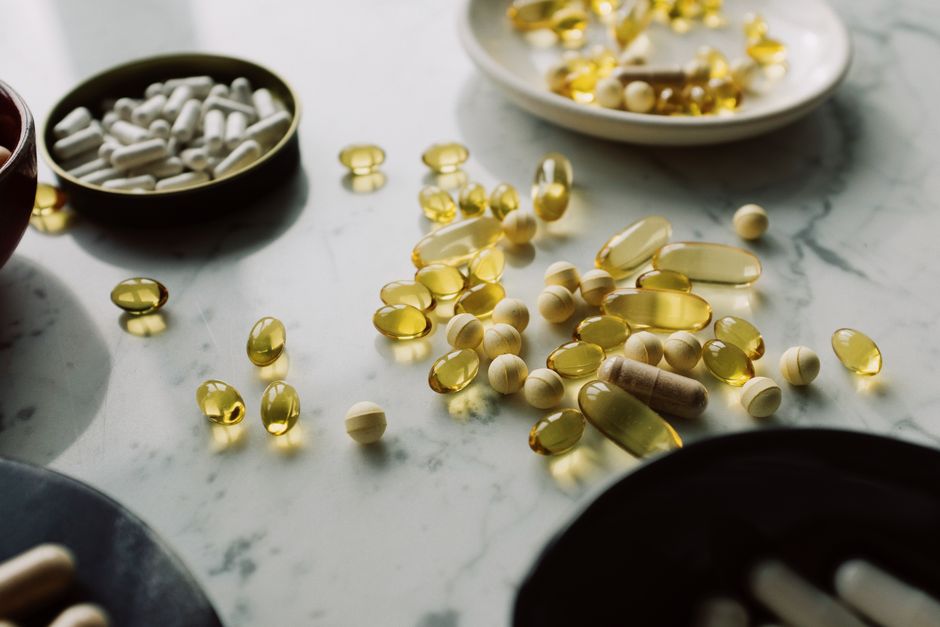
Supplements deserve special caution. Herbal and “liver detox” products are a recognized cause of liver injury, and some popular ingredients have been linked to serious harm. A product marketed for liver health can, in some cases, do the opposite. There is no supplement with strong evidence that it lowers liver enzymes safely and reliably in the general population.
Which Supplements and Remedies Are Actually Supported?
This is where honesty matters most. Most liver supplements on the market have weak or absent evidence.
Milk thistle is the most studied. Some research suggests it may help in certain liver conditions, but results across studies are mixed, and it is not established as a reliable way to lower enzymes. Vitamin E has been studied in a specific group — people with fatty liver disease confirmed by biopsy — and showed some benefit in that narrow context. It is not a general recommendation, and high doses carry their own risks.
No clinical evidence currently confirms that detox teas, dandelion, turmeric supplements, or similar products lower liver enzymes. Some carry real risk of liver injury. If a product promises to “cleanse” your liver, treat that as a marketing claim rather than a medical one.
When Should You See a Doctor About High Liver Enzymes?
Always. Elevated liver enzymes are a signal that deserves a proper evaluation, even when you feel fine.
Your doctor will typically repeat the test to confirm the result, check additional markers, and look for the underlying cause. In many cases the cause is found quickly and addressed with lifestyle changes. In others, further testing such as an ultrasound or a liver stiffness scan is needed.
Seek care sooner if you have symptoms like yellowing of the skin or eyes, dark urine, persistent fatigue, abdominal swelling, or easy bruising. These can indicate a more serious liver problem and should not wait.
The reassuring part: for the most common causes, the natural steps that help — better diet, regular movement, less alcohol, and weight loss — are the same steps that support your overall health. There is no shortcut, and no pill that replaces them.
Frequently Asked Questions
Can high liver enzymes go back to normal on their own?
Yes, mild elevations often return to normal once the cause is addressed, such as stopping alcohol or losing weight. However, they should always be evaluated by a doctor rather than ignored.
What foods lower liver enzymes the fastest?
No single food lowers liver enzymes quickly; the overall diet pattern matters most. A Mediterranean-style diet, less added sugar, and reduced alcohol have the strongest evidence behind them.
Is coffee good for your liver?
Regular coffee drinking is consistently linked to lower liver enzyme levels and less liver scarring in large studies. It is a supportive habit, not a treatment for an underlying liver condition.
Can I lower liver enzymes without losing weight?
Yes, exercise and reducing alcohol or sugar can help even without significant weight loss. That said, weight loss remains the single strongest factor for the most common cause, fatty liver disease.
