
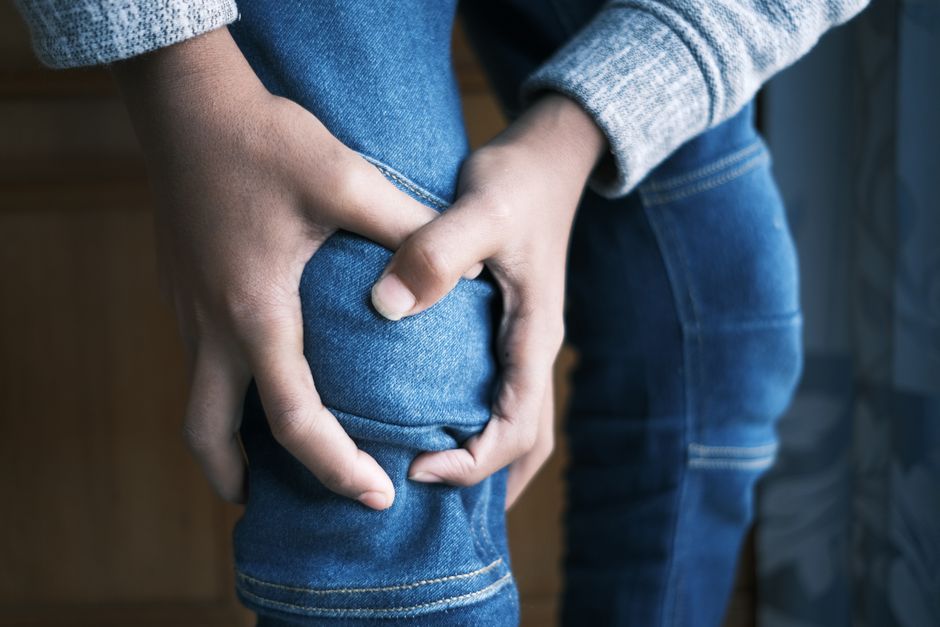
Inflammation is not the enemy. It is your immune system’s normal response to injury or infection — a short burst of activity that helps you heal. The problem starts when that response never fully switches off. Chronic, low-grade inflammation can quietly damage tissues for years and is linked to heart disease, type 2 diabetes, arthritis, and some cancers. You cannot feel it the way you feel a swollen ankle, which is exactly what makes it worth understanding. The most reliable ways to lower it naturally are not exotic. They are sleep, movement, food, stress, and not smoking. Everything else is secondary.
What Actually Causes Chronic Inflammation?
Acute inflammation has a clear trigger and a clear end. Chronic inflammation is different. It usually has no single cause and no clean finish.
What drives it is a mix of ongoing inputs. Fat tissue, especially around the belly, releases inflammatory signaling molecules. So does a body that gets poor sleep, sits most of the day, or carries a constant stress load. Smoking and excess alcohol add to the pile. So can untreated gum disease, which keeps the immune system active in a way many people never connect to their overall health.
Some chronic inflammation has nothing to do with lifestyle. Autoimmune conditions such as rheumatoid arthritis and lupus cause the immune system to attack the body’s own tissues. These are medical conditions that need medical treatment. Lifestyle changes can support care but do not replace it.
One clarification worth holding onto: there is no single “inflammation test” that tells the whole story. C-reactive protein (CRP) is a protein the liver makes in response to inflammation, and a high-sensitivity version of the test (hs-CRP) is used to estimate cardiovascular risk. But a normal result does not mean you have nothing going on, and a mildly high one does not mean you are sick. It is one signal among many, and it should be read by a clinician in context.
How Does Diet Lower Inflammation in the Body Naturally?
Food is the most studied lever you have. The evidence is strongest for overall dietary patterns, not single ingredients.
Diets rich in vegetables, fruit, whole grains, legumes, nuts, olive oil, and fatty fish are consistently linked with lower markers of inflammation in large population studies. This pattern shows up across Mediterranean-style eating and traditional diets in many parts of the world. It is not one magic food. It is the way the whole plate is built.
Fiber matters more than most people realize. Gut bacteria ferment fiber into short-chain fatty acids, including butyrate, which support the lining of the gut and help regulate immune activity. A diet low in fiber tends to produce a different, less helpful set of bacterial products.
On the flip side, diets high in refined carbohydrates, added sugar, and ultra-processed foods are associated with higher inflammatory markers. This does not mean a cookie causes inflammation. It means a pattern built on these foods, day after day, tends to push the system in the wrong direction.
What about specific anti-inflammatory foods?
Fatty fish such as salmon, sardines, and mackerel contain omega-3 fatty acids, which the body uses to make compounds that help resolve inflammation. Extra virgin olive oil contains polyphenols that have shown anti-inflammatory activity in laboratory and some human studies. Turmeric, ginger, and green tea have all been studied, with generally modest and sometimes inconsistent results in humans.
That last point matters. A food showing anti-inflammatory activity in a lab dish is not the same as a food lowering inflammation in a person. The human evidence for most individual “superfoods” is weaker than the marketing suggests.
Can Sleep and Stress Really Affect Inflammation?
Yes, and the effect is not small. Short sleep and chronic stress both raise inflammatory signaling in the body.
Research has found that even a few nights of restricted sleep can increase levels of inflammatory markers in healthy adults. The relationship runs both ways too — inflammation can disrupt sleep, which then raises inflammation further. Breaking that loop is one of the more useful things you can do.
Stress works through the hormone cortisol and the nervous system. Short-term stress is fine. The problem is stress that never turns off — the kind that keeps you tense for months. Over time, the body’s stress response becomes less efficient at shutting inflammation down.
Practical steps that have reasonable support:
- Keep a consistent sleep and wake time, including weekends.
- Aim for the sleep duration your body needs — most adults need seven or more hours, though individual needs vary.
- Get bright light in the morning and dim light in the evening to support your body clock.
- Use slow breathing, meditation, or gentle movement to bring stress arousal down.
- Limit alcohol in the evening, since it fragments sleep even when it feels like it helps you fall asleep.
None of this is dramatic. That is the point. Small, repeated inputs are what shift a chronic process.
-
 How to Lower Inflammation Naturally? What Experts Recommend
 -
How to Naturally Reduce Inflammation in the Body? Simple Steps That Help
-
How to Stop Inflammation in the Body Naturally? A Simple Guide That Helps
-
How to Reduce Bladder Inflammation Naturally? Simple Steps That Help
-
Joint Genesis Reviews. BioDynamix Supplement Legit Or Scam?





Does Exercise Reduce Inflammation?
Regular physical activity is one of the most reliable ways to lower chronic inflammation. This is well established.
When you exercise, your muscles release signaling molecules called myokines. Some of these have anti-inflammatory effects. Over time, regular movement also reduces belly fat, improves blood sugar control, and supports better sleep — all of which feed back into lower inflammation.
The dose matters less than consistency. Both aerobic activity like walking, cycling, or swimming and resistance training have shown benefit. You do not need to train like an athlete. Going from inactive to moderately active produces the largest gains.
One caution: very intense, prolonged training without adequate recovery can temporarily raise inflammatory markers. This is normal and usually resolves. It becomes a problem mainly for people who train hard without rest, sleep, or enough food. For most people, the bigger risk is doing too little, not too much.
Do Supplements Help Lower Inflammation?
Most supplement claims for inflammation are not supported by strong human evidence. This is worth saying plainly.
Omega-3 supplements have the most research behind them. Some studies show reductions in inflammatory markers, and they are used clinically in certain conditions. But results vary, and effects in generally healthy people are modest. Food sources of omega-3 are better studied and come packaged with other nutrients.
Curcumin (from turmeric) has been studied for inflammation, but it is poorly absorbed on its own, and human trials have been small and mixed. Ginger, resveratrol, and various botanical blends have limited or inconsistent human data. Vitamin D matters if you are deficient, but taking extra when you are not deficient has not reliably lowered inflammation in trials.
Two honest points. First, no supplement has been shown to reverse chronic inflammatory disease on its own. Second, supplements can interact with medications and are not risk-free. If you take blood thinners, immunosuppressants, or have a chronic condition, talk to your clinician before adding anything.
What Else Makes a Difference?
A few factors sit outside diet, sleep, and exercise but still matter.
Smoking is one of the strongest drivers of chronic inflammation. Quitting lowers inflammatory markers over time, and the benefit grows the longer you stay off cigarettes. This is one of the clearest cause-and-effect relationships in the field.
Excess alcohol raises inflammation and disrupts sleep. Reducing intake tends to help on both fronts.
Gum disease is an underappreciated contributor. Chronic infection in the gums keeps the immune system active and has been linked with higher systemic inflammation. Regular dental care is not just about your teeth.
Body weight plays a role too. Fat tissue, particularly around the abdomen, is metabolically active and releases inflammatory signals. Losing even a modest amount of excess weight can lower these markers. The goal does not have to be a number on a scale — it can be a direction.
Finally, if you have symptoms that suggest an autoimmune or inflammatory condition — persistent joint pain, unexplained rashes, ongoing fatigue, fevers — see a doctor. Lifestyle support is valuable, but it does not substitute for diagnosis and treatment. For most chronic conditions, the realistic goal is management, not cure. That is not a discouraging statement. It is an honest one, and it is where real progress usually happens.
Frequently Asked Questions
What is the fastest way to lower inflammation in the body naturally?
There is no fast fix, because chronic inflammation builds over years. The quickest meaningful gains usually come from improving sleep, stopping smoking, and adding regular movement.
What foods should I avoid to reduce inflammation?
Diets high in refined carbohydrates, added sugar, and ultra-processed foods are linked with higher inflammatory markers. You do not need to eliminate them completely, but building most meals around whole foods helps.
Can I lower inflammation without medication?
For low-grade chronic inflammation linked to lifestyle, yes — diet, sleep, exercise, and stress management can meaningfully lower markers. For autoimmune or inflammatory diseases, medication is often necessary and lifestyle changes support rather than replace it.
How long does it take to lower inflammation naturally?
Some markers can shift within weeks of better sleep or exercise, while deeper changes take months. There is no single timeline, and it varies by person and by cause.
