
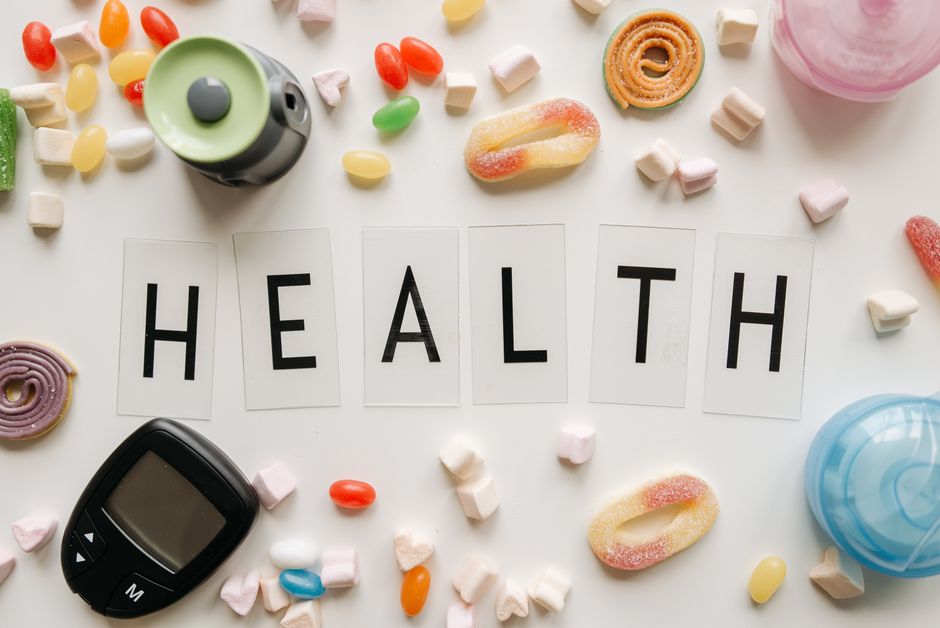
You can lower high glucose naturally and fast by moving your muscles, cutting back on refined carbohydrates, and drinking water instead of sugary drinks. Muscle contractions pull glucose out of your blood without needing extra insulin, which is why a brisk walk after a meal can lower glucose within minutes. For people with diabetes, these steps support treatment but do not replace it.
What follows is what the evidence actually supports, what works slowly rather than fast, and where the honest limits are.
How To Lower High Glucose Naturally And Fast?
Movement is the fastest natural lever you have. When your muscles contract during exercise, they can take up glucose from the bloodstream through a mechanism that does not depend on insulin. This matters because insulin resistance is the core problem in type 2 diabetes. Even when insulin is not working well, working muscles can still pull glucose inside.
This effect is not small. A single session of moderate exercise can improve glucose uptake for hours afterward. Some studies suggest the improvement in insulin sensitivity can last into the next day. That is why a walk after dinner does more for your glucose than the same walk done at random.
Three things work quickly and are well established:
- Muscle activity. A 10 to 15 minute walk after a meal blunts the post-meal glucose spike. Larger muscle groups working harder means more glucose used.
- Cutting liquid sugar. Sugary drinks raise blood glucose fast because there is no fiber or fat to slow absorption. Swapping them for water or unsweetened drinks removes a major glucose source.
- Drinking water. Staying hydrated supports the kidneys in filtering out excess glucose through urine. Dehydration concentrates glucose in the blood.
What does not work fast: supplements, teas marketed for blood sugar, and most dietary changes. Those can help over weeks, not minutes. Anyone selling you a fast fix in a bottle is selling something the evidence does not support.
Why Does Exercise Lower Blood Glucose So Quickly?
Glucose is fuel, and your muscles are the biggest consumer of that fuel. During exercise, muscle cells increase the number of glucose transporters on their surface. These transporters act like doors that let glucose in from the blood. Insulin normally opens these doors. Exercise opens them too, through a different pathway.
This is a key point that surprises many people. The benefit of exercise is partly independent of insulin. That means even someone with significant insulin resistance can lower glucose through movement.
Intensity matters in a practical way. Brisk walking, cycling, swimming, or climbing stairs recruit large muscle groups and use more glucose than small movements. Resistance training builds muscle mass over time, and muscle is where most glucose goes. More muscle means more capacity to store glucose as glycogen.
Timing matters too. Post-meal movement targets the glucose spike directly. If you only have ten minutes, spend them after your largest meal.
What Should You Eat To Bring Glucose Down?
Food choices affect glucose over hours and days rather than minutes, but a few changes have solid evidence behind them. The strongest is reducing refined carbohydrates — white bread, white rice, sugary cereals, pastries, and sweetened drinks. These digest quickly and send glucose up sharply.
Fiber slows digestion and flattens the glucose curve. Vegetables, legumes, whole grains, nuts, and seeds all deliver fiber. Research consistently shows that higher fiber intake is linked to better glucose control. The effect is gradual, not instant.
Protein and fat eaten with carbohydrates slow gastric emptying and reduce the post-meal spike. Eating vegetables and protein before the starchy part of a meal is a simple habit some studies suggest can modestly lower the glucose rise. The evidence for meal order is promising but not as strong as the evidence for cutting refined carbs.
Be skeptical of specific “blood sugar lowering” foods promoted online. Cinnamon, bitter melon, and apple cider vinegar have been studied, but results vary and effects, where present, are small. No food replaces medical treatment for diabetes.
Does Fasting Lower Blood Glucose?
Yes, fasting lowers blood glucose because you are not taking in new glucose. During fasting, the liver releases stored glucose to keep your blood sugar stable, then shifts to other fuel sources as fasting continues. Blood glucose typically drops over the first day or so of a fast.
Intermittent fasting has been studied for glucose control, and some studies suggest it can improve insulin sensitivity and lower fasting glucose. The evidence is mixed on whether it beats ordinary calorie reduction. Results vary by person and by fasting pattern.
Fasting carries real risks for some people. If you take insulin or a sulfonylurea, fasting can cause hypoglycemia, which can be dangerous. Anyone on glucose-lowering medication should talk to their clinician before fasting. Pregnant women, people with a history of eating disorders, and people with type 1 diabetes should not fast without medical guidance. No clinical guidelines support unsupervised fasting for these groups.
Can Sleep And Stress Affect Blood Glucose?
Yes, and more than most people realize. Poor sleep and chronic stress both raise cortisol, a hormone that tells the liver to release glucose. Short sleep is linked to higher fasting glucose and worse insulin sensitivity in multiple studies. One or two bad nights will not change much, but ongoing sleep deprivation works against everything else you do.
Stress hormones do the same thing. During acute stress, glucose rises to fuel a “fight or flight” response. Chronic stress keeps those hormones elevated. The relationship between stress and glucose is well established, though the size of the effect varies a lot between people.
Practical steps that help: a consistent sleep schedule, limiting screens and caffeine late in the day, and simple stress-reduction practices like slow breathing or a daily walk. These are supportive measures, not treatments.
When Is High Glucose A Medical Emergency?
Very high blood glucose can become a medical emergency, and this is where “natural and fast” has a hard limit. In type 1 diabetes, and sometimes in type 2, severe insulin deficiency can lead to diabetic ketoacidosis. In type 2 diabetes, extremely high glucose can lead to a hyperosmolar state. Both are emergencies that require hospital treatment.
Warning signs include extreme thirst, frequent urination, nausea, vomiting, confusion, rapid breathing, fruity-smelling breath, and drowsiness. If these appear, seek emergency care immediately. Do not try to manage them at home.
For people with diabetes, a glucose reading that is very high and not responding to usual measures, or any reading accompanied by the symptoms above, warrants urgent medical contact. Established clinical guidance is clear that these situations need professional care, not home remedies.
What Actually Works Over Weeks, Not Minutes?
Losing excess weight, if you carry it, improves insulin sensitivity. Even modest weight loss can meaningfully lower glucose in people with type 2 diabetes or prediabetes. The effect builds over weeks and months.
Regular physical activity, both aerobic and resistance training, improves glucose control over time. Building muscle raises your capacity to store glucose. This is a slow gain, not a quick one.
Medication, when prescribed, is not a failure of natural approaches. For many people with diabetes, lifestyle changes and medication work together. Stopping prescribed medication to try natural methods alone can be dangerous. Any change to medication should go through your clinician.
One clarification worth making: “natural” and “fast” pull in different directions. The fastest natural levers are movement, hydration, and removing liquid sugar. The biggest long-term gains come from changes that take weeks. Both matter, but do not confuse them.
Frequently Asked Questions
How can I lower my blood sugar quickly at home?
Take a brisk 10 to 15 minute walk, drink water, and avoid sugary drinks. These steps can lower glucose within minutes to hours, but they do not replace medical treatment if you have diabetes.
Does drinking water lower blood sugar?
Water helps the kidneys filter and excrete excess glucose through urine, and it prevents dehydration from concentrating your blood glucose. It supports glucose control but does not directly lower it the way insulin or exercise does.
What foods lower blood sugar fast?
No food lowers blood sugar quickly; the faster effect comes from avoiding refined carbohydrates and sugary drinks. High-fiber foods like vegetables and legumes help flatten glucose rises over hours, not minutes.
Can walking lower blood sugar immediately?
Yes, muscle contractions during walking pull glucose out of the blood through an insulin-independent pathway. A walk after a meal is especially effective at blunting the post-meal spike.
