
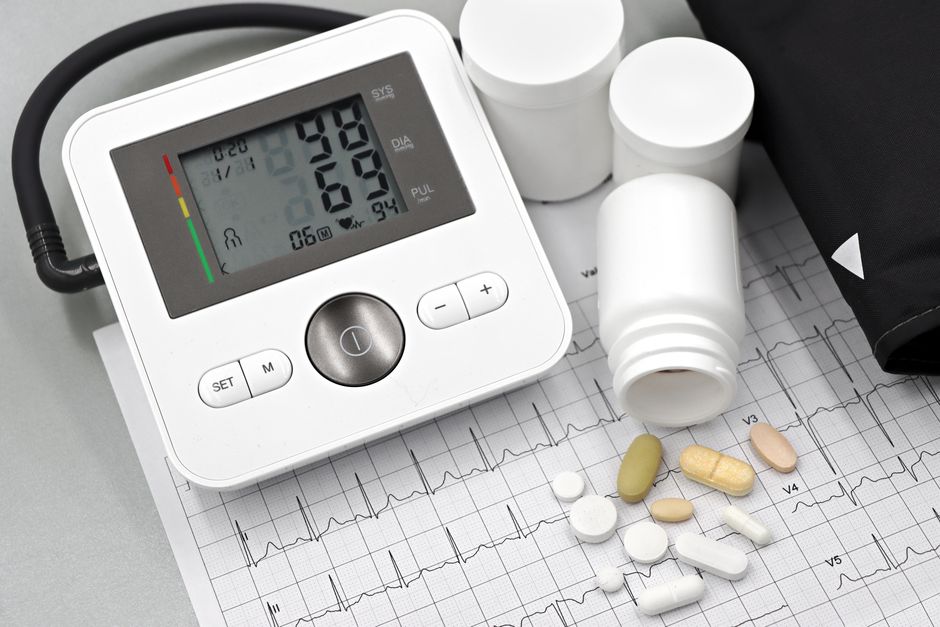
Statins are highly effective at lowering LDL cholesterol, but they are not the only option. Many people lower their cholesterol significantly through diet, exercise, and other lifestyle changes. For those who cannot tolerate statins or prefer to avoid them, a structured approach targeting diet, physical activity, and weight is the most evidence-based path forward. The key is that lifestyle changes work best when they are specific, consistent, and sustained over months, not weeks.
What Does “Lowering Cholesterol” Actually Mean?
When doctors talk about lowering cholesterol, they usually mean lowering LDL cholesterol. LDL is the type that builds up in artery walls and raises the risk of heart attacks and strokes. HDL cholesterol is the “good” type that helps remove LDL from the bloodstream. Triglycerides are a separate type of fat in the blood that also matters for heart health.
A standard lipid panel gives you four numbers: total cholesterol, LDL, HDL, and triglycerides. The target for LDL depends on your personal risk. Someone with prior heart disease has a much lower LDL target than a healthy 40-year-old. Your doctor calculates your risk using age, blood pressure, smoking status, diabetes, and other factors before deciding what LDL number you need.
Lifestyle changes rarely produce dramatic LDL drops in people with genetically high cholesterol. But for many people, the combination of diet and exercise can lower LDL by 10 to 20 percent. That reduction is meaningful, especially when combined with other heart-protective habits like not smoking and controlling blood pressure.
Which Foods Actually Lower LDL Cholesterol?
The strongest dietary evidence points to replacing saturated fats with unsaturated fats. Saturated fats — found in fatty meats, butter, full-fat dairy, and palm oil — raise LDL cholesterol. Unsaturated fats — found in olive oil, nuts, avocados, and fatty fish — lower LDL when they replace saturated fats.
The distinction matters. Adding olive oil to a diet that already includes butter does not help. The benefit comes from swapping one for the other. Research consistently shows that replacing about 5 percent of daily calories from saturated fat with unsaturated fat lowers LDL by roughly 10 points.
Soluble fiber is the second major dietary lever. Oats, barley, beans, lentils, apples, and psyllium husk contain soluble fiber that binds cholesterol in the digestive tract and helps the body excrete it. Studies show that eating 5 to 10 grams of soluble fiber daily lowers LDL by about 5 to 10 points. That is roughly one bowl of oatmeal plus a half-cup of beans.
Plant sterols and stanols are compounds that block cholesterol absorption in the gut. They are added to some margarines, yogurts, and orange juices. Consuming 2 grams daily lowers LDL by about 8 to 10 percent. These products work, but they are not a substitute for overall dietary quality.
How Much Exercise Is Needed?
Exercise has a modest but real effect on LDL cholesterol. The larger effect is on triglycerides and HDL. Aerobic exercise — walking, jogging, cycling, swimming — consistently raises HDL and lowers triglycerides when done regularly.
Current guidelines recommend at least 150 minutes of moderate-intensity aerobic activity per week. That breaks down to about 30 minutes, five days a week. Moderate intensity means you can talk but not sing while exercising. Brisk walking counts.
The LDL effect is smaller. Studies show that aerobic exercise alone lowers LDL by about 5 to 10 points, and the effect is stronger when combined with weight loss. Resistance training — lifting weights — has a smaller effect on cholesterol but improves overall metabolic health. A combination of aerobic and resistance training appears better than either alone.
Exercise also helps with weight maintenance, and weight loss itself lowers LDL. Losing 5 to 10 percent of body weight reduces LDL by about 5 to 15 points, depending on the person. The effect is more pronounced in people who carry excess weight around the abdomen.

Can Weight Loss Lower Cholesterol Without Statins?
Yes, but the effect depends on how much weight is lost and where it comes from. Losing weight reduces LDL, triglycerides, and total cholesterol. It also raises HDL slightly. The most consistent benefits appear with a 5 to 10 percent weight loss, which for a 200-pound person means losing 10 to 20 pounds.
Weight loss lowers cholesterol through several mechanisms. Reduced fat tissue means less inflammation and better insulin sensitivity. The liver produces less cholesterol when insulin signaling improves. Weight loss also reduces the amount of dietary fat the body absorbs and changes how the liver processes lipoproteins.
The type of diet used for weight loss matters less than the fact of weight loss itself. Low-carb diets, Mediterranean diets, and low-fat diets all lower LDL when they produce weight loss. The Mediterranean diet has the strongest evidence for overall heart health, but any diet that creates a sustained calorie deficit will lower cholesterol in most people.
Crash diets do not work for cholesterol. The LDL reduction from rapid weight loss often reverses when weight is regained. Slow, steady weight loss of one to two pounds per week produces more durable cholesterol changes.
What About Supplements for Lowering Cholesterol?
Several supplements are marketed for cholesterol, but the evidence is mixed. Red yeast rice contains a natural statin called monacolin K. It can lower LDL by 15 to 25 percent, similar to a low-dose statin. However, the amount of active compound varies widely between products, and some products have been found to contain contaminants. The FDA has taken action against some red yeast rice products because of safety concerns.
Niacin, or vitamin B3, lowers LDL and triglycerides and raises HDL. But high doses cause flushing, and research has not shown that niacin reduces heart attacks or strokes when added to statin therapy. It is not recommended as a first-line treatment for cholesterol.
Psyllium husk is a soluble fiber supplement with solid evidence. Taking 10 grams daily lowers LDL by about 7 percent. It is safe, well-tolerated, and works through the same mechanism as dietary fiber.
Fish oil supplements lower triglycerides but have minimal effect on LDL. Omega-3 fatty acids from fish oil reduce triglycerides by 20 to 30 percent at prescription doses, but over-the-counter supplements contain lower amounts. Fish oil does not meaningfully lower LDL cholesterol.
Berberine, garlic extract, and green tea extract have some studies suggesting modest LDL reductions. The evidence is not strong enough to recommend them as primary treatment. No supplement replaces the combination of diet, exercise, and weight management.
When Are Lifestyle Changes Not Enough?
Some people cannot lower their LDL enough with lifestyle changes alone. Familial hypercholesterolemia is a genetic condition where LDL is very high from birth, often above 190 mg/dL. Lifestyle changes help but rarely bring LDL into a safe range without medication.
People with established heart disease, diabetes, or a high calculated risk score often need medication regardless of lifestyle. For these individuals, the LDL target is lower and the risk of waiting is higher. Lifestyle changes should continue, but they are adjuncts to medication, not replacements.
There are non-statin prescription options for people who cannot take statins. Ezetimibe blocks cholesterol absorption in the gut and lowers LDL by about 18 percent. PCSK9 inhibitors are injectable medications that lower LDL by 50 to 60 percent. Bempedoic acid is a newer oral medication that lowers LDL by about 20 percent. These are effective alternatives when statins cause muscle pain or other side effects.
If you have tried lifestyle changes for three to six months and your LDL has not improved, talk to your doctor. The decision to start medication is based on your overall risk, not just your LDL number.
How Long Does It Take to See Results?
Dietary changes lower LDL within three to six weeks. The effect is measurable on a repeat lipid panel. Exercise and weight loss take longer — typically three to six months for meaningful changes. The liver adjusts cholesterol production slowly, and the full effect of weight loss on cholesterol may take six months to a year.
Once you make changes, the cholesterol improvement lasts as long as the behavior continues. Stopping the diet or exercise routine returns cholesterol to baseline within weeks. This is not a failure of the approach; it simply reflects that cholesterol levels are dynamic and respond to current behavior.
For people who make comprehensive changes — diet, exercise, and weight loss — the combined LDL reduction can reach 20 to 30 percent. That is comparable to a low-dose statin. The difference is that lifestyle changes also improve blood pressure, blood sugar, and overall cardiovascular fitness, which statins do not directly address.
Frequently Asked Questions
What foods should I avoid to lower cholesterol?
Limit foods high in saturated fat, including fatty meats, butter, full-fat dairy, and fried foods. Replace them with unsaturated fats from olive oil, nuts, and fish.
How fast can diet alone lower cholesterol?
Dietary changes can lower LDL within three to six weeks. A repeat blood test after six to eight weeks will show the effect.
Can exercise lower cholesterol without changing my diet?
Exercise alone lowers LDL by about 5 to 10 points and has a larger effect on triglycerides and HDL. Combining exercise with dietary changes produces the biggest reduction.
What is the best non-statin medication for high cholesterol?
Ezetimibe, PCSK9 inhibitors, and bempedoic acid are all effective non-statin options. The best choice depends on your LDL level, other health conditions, and insurance coverage — discuss these with your doctor.
