
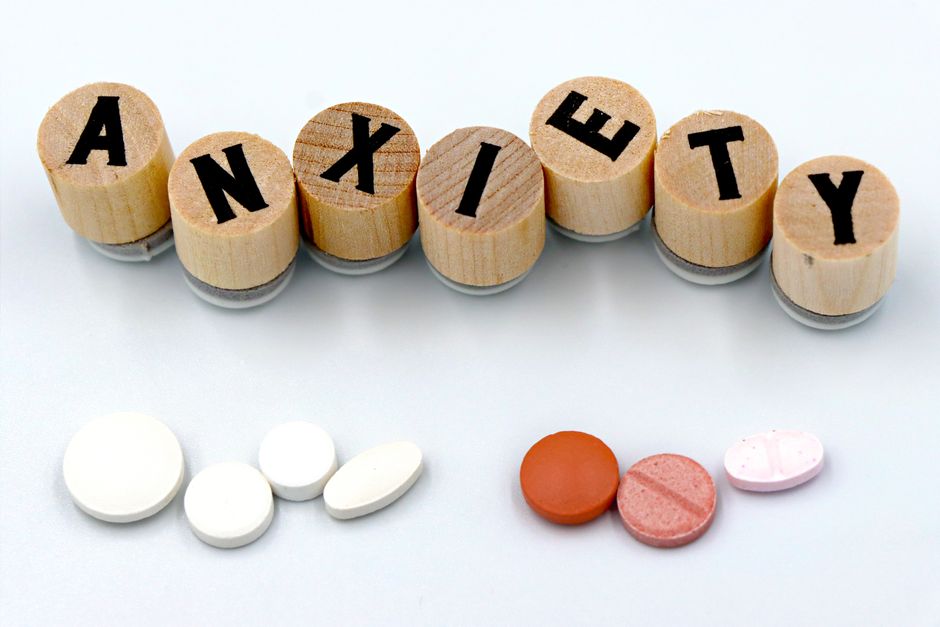
Anxiety can spike fast. Your heart speeds up, your breathing turns shallow, and your thoughts start racing. The quickest way to bring it down is to work directly on your body’s stress response: slow your breathing, relax your muscles, and ground your attention in the present moment. These steps can start working within minutes. They are not a cure for an anxiety disorder, but they can take the edge off a surge so you can think clearly again.
What follows are practical, evidence-informed steps you can use today. Some work in seconds. Others take a little practice to feel natural. None of them replace professional care if anxiety is frequent or disruptive, but each can help you steady yourself in the moment.
Why Does Slow Breathing Calm Anxiety So Fast?
Slow breathing works because it directly influences the part of your nervous system that controls your heart rate and stress response. When you breathe slowly and steadily, you stimulate the vagus nerve, which carries signals between your brain and your organs. This nudges your body toward a calmer state.
When you are anxious, you tend to breathe faster and shallower, often from your chest. This can lower carbon dioxide levels in your blood, which produces dizziness, tingling, and a sense of breathlessness. Those sensations can make anxiety feel worse. Slow, deeper breathing reverses this cycle.
A simple approach is to breathe in through your nose for a count of about four, then out through your mouth for a count of about six. The longer exhale is the key part. Extending your exhale is what signals safety to your body. Continue for a minute or two.
You do not need a perfect count. The goal is a slow, comfortable rhythm with an exhale longer than your inhale. If counting makes you more anxious, just focus on making each breath out a little longer and softer than the breath in.
What Is the 5-4-3-2-1 Grounding Technique?
Grounding pulls your attention out of spiraling thoughts and back into your physical surroundings. The 5-4-3-2-1 method is a structured way to do this using your senses.
Working through your senses one at a time, notice:
- 5 things you can see — name them in detail, like the color of a mug or a shadow on the wall
- 4 things you can touch — the fabric of your chair, the floor under your feet, your own hands
- 3 things you can hear — traffic, a hum from an appliance, your own breathing
- 2 things you can smell — or two smells you like if none are present
- 1 thing you can taste — or simply notice the inside of your mouth
The technique works because anxiety lives in the future — in “what if” thinking. Grounding forces your attention into the present, where your senses actually are. It is used widely in trauma-informed care and anxiety treatment, though research on this specific five-step sequence is limited. Many clinicians find it helpful; the evidence base for the exact method is thinner than for breathing and muscle relaxation.
Does Muscle Relaxation Really Lower Anxiety?
Yes. Progressive muscle relaxation is one of the better-studied behavioral techniques for anxiety. The method involves tensing a group of muscles for a few seconds, then releasing and noticing the difference.
The reasoning is straightforward. Anxiety creates physical tension, often without you noticing. By deliberately tensing and then releasing muscles, you train your body to recognize and let go of that tension. Studies have found it can reduce self-reported anxiety, though effects vary and it works best with practice.
Here is how to do a quick version:
- Tense your shoulders up toward your ears for about five seconds
- Release and let them drop, noticing the difference for a few seconds
- Move through other areas — hands, face, legs, feet
- Breathe slowly throughout
You can do a full body sequence in a few minutes or target just one tense area. Some people find that simply clenching their fists and releasing several times helps take the edge off.
How Can You Lower Anxiety Quickly in the Moment?
When anxiety hits hard, a few fast actions can interrupt the surge. These are practical steps, not a treatment plan.
Cool your body down. Splashing cold water on your face or holding something cold can trigger the dive reflex — a response that slows your heart rate. This is a real physiological response, though how much it helps anxiety varies from person to person.
Move your body. A short walk, even a few minutes, can help burn off the adrenaline fueling the surge. Movement gives your stress response somewhere to go.
Name what is happening. Saying to yourself “this is anxiety, and it will pass” can reduce its grip. Labeling an emotion tends to lessen its intensity, a finding that has held up in brain-imaging research.
Reduce stimulation. Step away from a loud room, put down your phone, or dim the lights. Less input gives your nervous system less to react to.
Reach out. A brief call or text to someone you trust can help. Connection is one of the more reliable ways to settle a stressed nervous system.
Which Habits Make Anxiety Worse Over Time?
The steps above help in the moment. What you do day to day shapes how often anxiety surges in the first place.
Caffeine is a common trigger. It raises heart rate and can mimic anxiety symptoms, and for people sensitive to it, cutting back can meaningfully reduce baseline jitteriness. Alcohol is another. It may feel calming at first, but it disrupts sleep and can increase anxiety in the hours after it wears off.
Poor sleep is closely tied to anxiety. Not getting enough rest makes the brain more reactive to threat. Protecting your sleep — a consistent schedule, less screen time before bed, limiting late caffeine — is one of the more reliable ways to lower overall anxiety.
Skipping meals can also contribute. Low blood sugar can produce shakiness and irritability that feel like anxiety. Eating regularly helps keep your body on an even keel.
None of these are cures. They are background conditions that either help or hurt your ability to stay calm.
When Should You Get Professional Help for Anxiety?
Self-help steps are useful, but they have limits. If anxiety is frequent, intense, or getting in the way of work, relationships, or sleep, professional support matters.
Consider reaching out to a doctor or mental health professional if:
- You feel anxious most days for weeks or longer
- Anxiety interferes with daily life or keeps you from doing things you want to do
- You have panic attacks — sudden intense fear with physical symptoms like a racing heart or shortness of breath
- You are avoiding situations because of anxiety
- You are using alcohol or other substances to cope
- You have thoughts of harming yourself
If you are having thoughts of self-harm, contact a crisis line or emergency services right away. In the US, you can call or text 988 to reach the Suicide and Crisis Lifeline.
Effective treatments exist. Cognitive behavioral therapy is well established for anxiety disorders, and medication can help some people. A doctor can help you sort out what is going on. Anxiety can also overlap with other conditions — like thyroid problems or heart issues — that produce similar symptoms, so a medical check is reasonable, especially if physical symptoms are new.
Quick calming steps buy you room to think. They are not a substitute for care when anxiety is persistent. Using them alongside professional support is the most grounded approach.
Frequently Asked Questions
How can I calm anxiety in under a minute?
Slow your breathing with a longer exhale than inhale, and name a few things you can see and hear around you. These two steps work on your body’s stress response and your attention at the same time.
Does breathing into a paper bag help anxiety?
No, it is not recommended. Rebreathing into a bag can dangerously lower oxygen and raise carbon dioxide, and slow breathing with a long exhale is the safer approach.
What is the fastest grounding technique for anxiety?
The 5-4-3-2-1 method is a common choice because it is quick and needs no equipment. It walks you through your senses to pull attention into the present.
Can anxiety go away on its own?
Short-term anxiety often settles on its own, but persistent anxiety that affects daily life usually benefits from professional support. Effective treatments like cognitive behavioral therapy are well established.
