
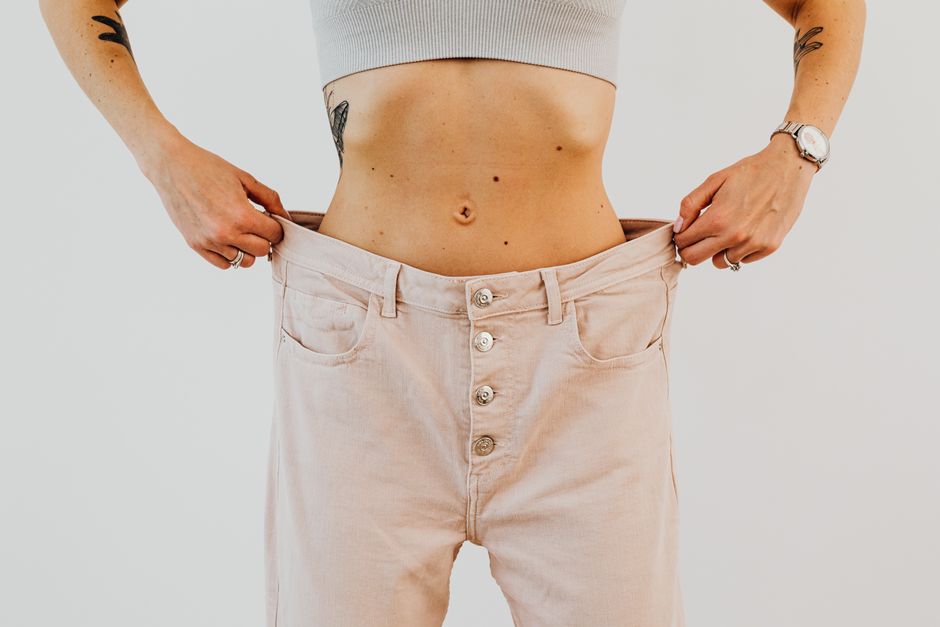
There is no way to lose weight without changing something about how you eat or how much energy you use. Fat loss requires a calorie deficit — burning more energy than you take in. The question is whether that deficit has to come from a formal diet or an exercise plan. It does not. Weight can come down through small, sustainable changes to daily habits, food environment, and sleep — without counting every calorie or setting foot in a gym.
How To Lose Weight Without Exercise Or Dieting
Weight loss happens when your body burns more energy than it takes in. That is the one rule that does not bend. But the deficit does not need to come from a strict meal plan or a workout routine. It can come from hundreds of small adjustments that add up over a day.
Think about it as changing the defaults rather than following a program. The coffee you order, the snacks within arm’s reach, the size of your plate, how long you sleep — each of these nudges energy balance in one direction or the other. None of them feel like a diet. Together, they can create a meaningful deficit.
This approach has a name in behavioral research: small-changes or stealth interventions. The idea is that people resist dramatic overhauls but barely notice small shifts. Some studies suggest this kind of approach can produce modest, gradual weight loss, though results vary and the effect is usually slower than a structured diet. It is not a shortcut. It is a different path to the same place.
Why Sleep Affects Your Weight More Than You Think
Short sleep changes the hormones that control hunger. Two of them matter most. Ghrelin tells you to eat. Leptin tells you to stop. When you do not sleep enough, ghrelin tends to rise and leptin tends to fall — a combination that makes you hungrier and less satisfied after eating.
Research published in the Annals of Internal Medicine found that people who were sleep-restricted lost less fat and more muscle than those who slept normally, even when both groups ate the same number of calories. The deficit was the same. The body composition result was not.
There is also a behavioral layer. Tired people reach for quick energy — usually refined carbohydrates and sugar. Willpower is not a fixed trait. It drains. A short night makes the snack aisle more tempting and the salad less appealing.
Adults generally need seven or more hours of sleep per night, according to broad public health guidance. If you are consistently getting less, fixing sleep may be the single highest-leverage change you can make. It does not require willpower at the dinner table. It just requires going to bed.
Can Drinking More Water Help You Lose Weight?
Water does not burn fat. But it can reduce how much you eat, and that matters.
Thirst and hunger are easy to confuse. Both register as sensations in the body that feel similar enough to trigger a snack. Drinking a glass of water before reaching for food can short-circuit that confusion.
Some research suggests that drinking water before meals may reduce calorie intake at that meal. The effect is modest and not universal, but it is low-cost and low-risk. Water also replaces calorie-containing drinks — soda, sweetened coffee, juice, alcohol — which is where many people quietly take in several hundred calories a day without feeling full.
Swap one 20-ounce sugary drink for water. That is roughly 240 calories removed. Do that daily and the deficit builds without any conscious dieting.





How Your Food Environment Shapes What You Eat
Most eating decisions are not decisions at all. They are reactions to what is visible, available, and convenient. Change the environment and you change behavior without relying on discipline.
Researchers who study eating behavior have found that people eat more from larger plates, larger packages, and bowls that are refilled automatically. These are called mindless eating effects. You do not notice them happening. The plate looks less full, so you serve more. The bowl keeps refilling, so you keep eating.
Practical shifts that work with this tendency rather than against it:
- Serve food on smaller plates. A normal portion looks bigger and satisfies the same visual expectation.
- Keep high-calorie snacks out of sight — not on the counter, not in the desk drawer. Put fruit or cut vegetables where you can see them.
- Pre-plate your food instead of eating from a shared serving bowl at the table. Second helpings become a deliberate act rather than an automatic one.
- Do not eat directly from a bag or box. Portion it onto a plate first.
None of these require measuring, tracking, or restricting any food group. They reduce intake by changing the cues around you.
Does Eating Slower Reduce How Much You Eat?
It takes time for your gut to signal fullness to your brain. Hormones released during a meal — including GLP-1 and peptide YY — rise gradually and tell your brain to stop eating. If you finish a meal in five minutes, you may eat past the point of fullness before those signals arrive.
Studies on eating rate suggest that faster eaters tend to consume more calories at a meal and have higher body weight on average than slower eaters. The relationship is consistent across several populations, though it is an association and not proof that slowing down causes weight loss.
What you can do: put your fork down between bites. Chew more thoroughly. Take a sip of water mid-meal. These are not tricks — they simply give your body time to register what you have eaten.
This matters more than most people expect. A meal stretched from ten minutes to twenty often ends with less food eaten and the same level of satisfaction.
What About Intermittent Fasting Without Counting Calories?
Intermittent fasting is not a diet in the traditional sense. It is a schedule. You eat within a window of time and fast outside it. Common patterns include eating within an eight-hour window or fasting on alternate days.
The evidence on intermittent fasting is mixed. Some studies show weight loss comparable to standard calorie restriction. Others show no advantage when total calories are matched. The honest summary: it can work for some people because it naturally reduces how much they eat, not because fasting itself has a special metabolic effect.
If you tend to snack in the evening, shortening your eating window may cut several hundred calories without any conscious restriction. If you already eat most of your food in a narrow window, it will likely do nothing.
Intermittent fasting is not appropriate for everyone. Pregnant or breastfeeding women, people with a history of eating disorders, and those taking medications that require food should speak with a clinician before trying it. No clinical guidelines currently exist for using intermittent fasting in these populations.
Why Protein and Fiber Keep You Full Longer
Protein and fiber both increase satiety — the feeling of being full and satisfied after a meal. They work through different mechanisms, and both can reduce how much you eat later without any deliberate restriction.
Protein takes longer to digest and triggers stronger fullness signals than fat or carbohydrates. Fiber adds bulk, slows digestion, and affects gut hormones that regulate appetite.
You do not need to count grams. You need to include these foods more often:
- Eggs, Greek yogurt, beans, lentils, chicken, fish, tofu
- Vegetables at most meals — not as a side dish but as part of the main dish
- Whole fruits instead of juice
- Whole grains instead of refined ones
The practical effect is that you feel full on fewer calories. That is the deficit, arriving quietly.
Can Stress Cause Weight Gain?
Chronic stress raises cortisol, a hormone that increases appetite and promotes fat storage — particularly around the abdomen. It also disrupts sleep, which compounds the problem.
The relationship between stress and weight is well established as an association. What is less clear is how much of the effect comes from cortisol directly versus the behaviors stress drives — eating more, sleeping less, moving less, drinking more alcohol.
Either way, the implication is the same. Managing stress is not separate from weight management. It is part of it. That might mean walking, breathing exercises, talking to someone, or simply protecting time that is not spent reacting to demands.
What Does Not Work
Many products and plans claim to cause weight loss without any change to eating or activity. The evidence does not support them.
- Fat-burning supplements: no large human trials have confirmed meaningful weight loss from over-the-counter fat burners.
- Detox teas and cleanses: these typically cause temporary water loss, not fat loss. The weight returns.
- Passive exercise devices: belts, vibrating machines, and similar products do not burn enough calories to matter.
- Metabolism-boosting claims: resting metabolic rate is largely determined by body size, age, and genetics. It cannot be meaningfully raised by a pill.
If a product promises fat loss with no change to diet or activity, the claim is almost certainly false. Fat loss requires a deficit. No exception exists.
Frequently Asked Questions
Can you lose weight without dieting or exercise?
Yes, but only by creating a calorie deficit through other means — smaller portions, fewer liquid calories, more sleep, and changes to your food environment. The deficit still has to exist; it just does not have to come from a formal diet or workout plan.
How long does it take to lose weight without dieting?
Weight loss from small habit changes is typically slow — often a fraction of a pound per week rather than the one to two pounds per week seen with structured programs. The trade-off is that slow loss from sustainable habits is often easier to maintain.
Does drinking water before meals help with weight loss?
Some studies suggest it may reduce how many calories you eat at that meal, though the effect is modest. The larger benefit comes from replacing sugary drinks with water, which removes calories without removing fullness.
Can poor sleep cause weight gain?
Yes. Short sleep raises ghrelin, the hunger hormone, and lowers leptin, the fullness hormone. Research has also found that sleep-restricted people lose more muscle and less fat than those who sleep enough, even at the same calorie intake.
