
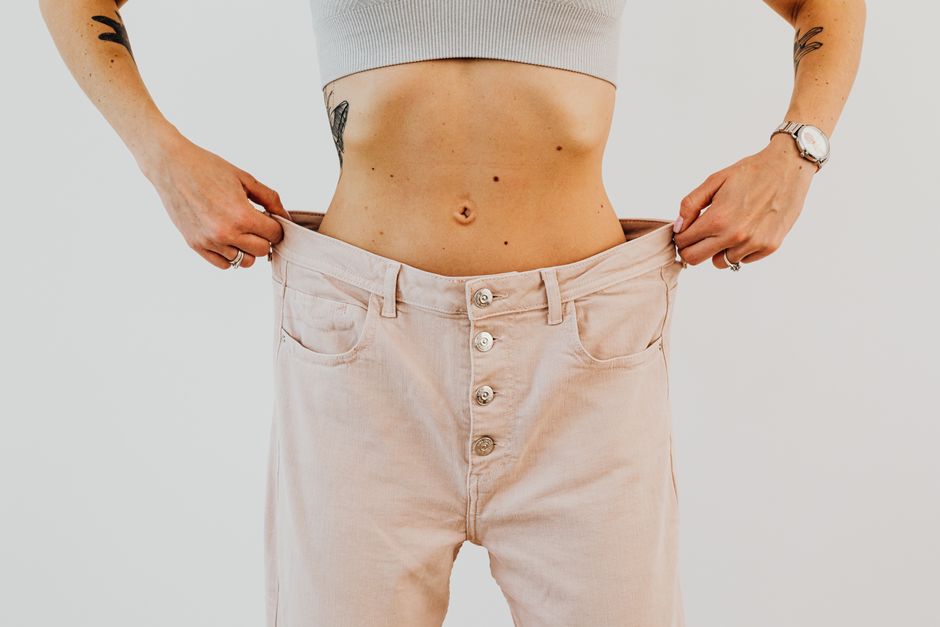
You cannot spot-reduce fat, and you cannot fully control where your body loses it first. Breasts and buttocks are made of fat plus supporting tissue, so any weight loss will shrink them to some degree. What you can do is lose fat slowly, keep protein high, and train the muscles underneath — which protects shape and firmness better than any cream or supplement on the market.
That is the short, honest answer. The rest of this article explains why it happens, what you can influence, and what you cannot.
Why do breasts and buttocks shrink when you lose weight?
Breasts are mostly fat tissue sitting on top of the chest muscles, with glands and connective tissue mixed in. Buttocks are gluteal muscles covered by a layer of subcutaneous fat. When you eat in a calorie deficit, your body pulls energy from fat stores all over the body — including these areas.
There is no exercise, food, or device that forces your body to burn fat from one specific spot. Research consistently shows that spot reduction does not work. A well-known example: studies where people trained one arm or one leg heavily found that fat loss happened across the whole body, not just the trained limb.
Where you lose fat first is largely genetic and hormonal. Some people notice their chest and hips change early in a diet. Others keep fat there longer. You do not get to choose the order.
How To Lose Weight But Keep Your Breasts And Bum
You protect these areas by changing how you lose weight, not whether you lose it. Three levers matter most: the speed of your deficit, your protein intake, and resistance training.
Lose fat slowly
A moderate calorie deficit helps you keep more lean mass than an aggressive one. Rapid weight loss tends to strip muscle along with fat, and muscle is what gives the buttocks their shape and the chest its underlying structure. Slower loss also makes it easier to keep the weight off.
Keep protein high
Higher protein intake during weight loss helps preserve muscle. This is one of the better-supported findings in nutrition research. Protein also helps with fullness, which makes a deficit easier to stick to. Good sources include fish, poultry, eggs, dairy, legumes, and tofu.
Train with resistance
Lifting weights or doing bodyweight strength work signals your body to keep muscle while you lose fat. For the buttocks, this means exercises that load the glutes: squats, hip thrusts, lunges, and step-ups. For the chest, push-ups and pressing movements build the pectoral muscles under the breast tissue. Stronger underlying muscle does not add fat back, but it supports a firmer shape.
One clarification worth knowing: chest exercises do not lift or enlarge breasts. Breasts are not muscle. What training does is build the muscle layer beneath, which can improve posture and give a slightly more supported appearance.
Can you target fat loss to your breasts or buttocks?
No. Fat loss is a whole-body process controlled by your hormones and genetics, not by which muscle you exercise. Doing hundreds of squats will strengthen and grow your glutes, but it will not force your body to burn fat from your backside.
This is one of the most persistent fitness myths. The confusion comes from the fact that training a muscle does change how that area looks — through muscle growth, not fat loss. Those are two different effects.
What you can do is influence the ratio of muscle to fat in these areas. More muscle and less fat in the same region generally reads as a firmer, more shaped result, even at a lower overall body weight.


Does breast size always drop with weight loss?
Breast size usually decreases with weight loss, but how much varies a lot between people. Because breasts are largely fat, most women see some change. The amount depends on how much of your breast tissue is fat versus glandular tissue, your genetics, and how much weight you lose.
Some women notice a big change. Others barely notice any. There is no reliable way to predict which you will be.
Two things are worth separating here. First, the fatty tissue itself shrinks. Second, the skin and connective tissue that support the breast may not bounce back fully, especially after larger or faster weight loss. Skin elasticity declines with age, which is why the same weight loss can look different at 35 and at 55. That is a normal physiological difference, not a failure.
What actually helps keep shape while losing fat?
Nothing restores fat you have lost, but several strategies support the best shape your body can hold at a lower weight. These are widely used in clinical and fitness practice, though large trials comparing them head-to-head do not exist.
- Strength train two to three times a week. Focus on the glutes and upper body. This preserves and can build muscle.
- Eat enough protein. Aim to spread it across meals rather than loading it all at dinner.
- Avoid crash diets. Very low calorie intake speeds muscle loss and makes skin sagging more likely.
- Support skin health. Stay hydrated and avoid smoking, which breaks down skin elasticity. No cream has been shown to reverse lost elasticity.
- Wear a well-fitted bra during exercise. This does not change breast tissue, but it reduces discomfort and ligament strain during activity.
Be skeptical of creams, pills, or devices marketed to “keep your curves.” No clinical evidence confirms these work. Fat loss is a whole-body process and no topical product changes where it comes from.
When should you talk to a doctor?
Talk to a clinician before starting a weight loss plan if you are pregnant or breastfeeding, have a history of an eating disorder, take medication that affects weight or hormones, or have a medical condition such as diabetes or thyroid disease. Rapid or unexplained weight loss should always be checked.
If you are breastfeeding, note that calorie needs are higher and aggressive dieting is not advised. No clinical guidelines support rapid weight loss during lactation. Discuss any plan with your doctor or a registered dietitian first.
For most healthy adults, a slow, sustainable approach with strength training and adequate protein is reasonable and low-risk. If you feel dizzy, lose hair, or notice your periods becoming irregular, that is a signal your deficit is too aggressive — ease up and speak to a professional.
What to expect realistically
You will lose some fullness in your breasts and buttocks. That is a normal part of losing fat anywhere on the body. What you can control is how much muscle you keep, how fast you lose, and how well you support your skin and posture along the way.
The goal is not to keep your body exactly as it was. It is to end up leaner, stronger, and firmer than a crash diet would leave you. That is achievable. A promise that your breasts and buttocks will stay unchanged is not.
Frequently Asked Questions
Can you lose weight without losing breast size?
You can reduce how much you lose, but not eliminate it. Slow fat loss, high protein intake, and chest strength training help preserve muscle and shape, though some breast fat loss is normal.
Do squats make your bum bigger or just firmer?
Squats build the gluteal muscles, which can make the buttocks firmer and somewhat larger over time. They do not add fat, and they do not force fat loss from that area.
How fast should you lose weight to keep muscle?
A moderate deficit that produces gradual loss is generally better for preserving muscle than a very low calorie diet. Specific rates vary by body size and should be set with a clinician or dietitian.
Do breast firming creams or pills work?
No clinical evidence confirms that creams or pills restore breast firmness or prevent fat loss. Breasts are mostly fat and glandular tissue, and topical products do not change where your body burns fat.
