
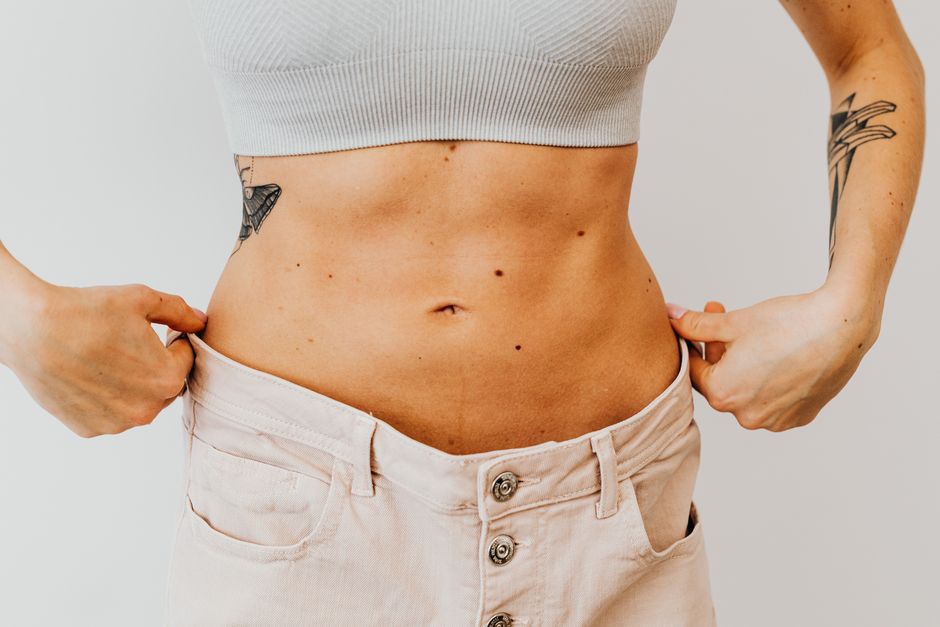
Belly fat is not one single tissue. The fat you can pinch just under the skin is subcutaneous fat, and the deep fat packed around your organs is visceral fat. You cannot target subcutaneous belly fat with crunches, waist trainers, or “fat-burning” creams, because spot reduction is not how the human body works. The way to lose it is to create a sustained calorie deficit through food and activity so your body draws on stored fat for energy, and to keep that up long enough for the change to hold.
What Is Subcutaneous Fat and Why Do You Have It on Your Belly?
Subcutaneous fat is the layer of fat that sits directly beneath your skin. The word itself means “under the skin.” You can pinch it, and it tends to feel soft rather than firm.
Your body stores fat here for good reasons. It insulates you, cushions your body, and holds onto energy for times when food is scarce. This is normal biology, not a defect. Everyone has some subcutaneous fat, and having some is not a health problem in itself.
The belly is a common place for it to collect, and the reasons differ between people. Genetics play a large role in where your body prefers to store fat. Hormones matter too. After menopause, many women notice fat shifting toward the abdomen. Men often carry more fat in the belly area to begin with. Age plays a part as well, since muscle mass tends to decline over the decades and that shifts body composition.
It helps to separate subcutaneous fat from visceral fat, because they behave differently. Visceral fat sits deep inside the abdomen around the liver, pancreas, and intestines. It is linked more strongly to health risks like type 2 diabetes and heart disease. Subcutaneous fat is the softer layer you can grab. Both can be present at the same time, and you often cannot tell them apart just by looking. A large belly usually contains a mix of both.
Can You Target Belly Fat With Crunches or Waist Trainers?
No. Spot reduction does not work. Doing crunches builds the abdominal muscles underneath the fat, but it does not burn the fat sitting on top of them. The muscles may get stronger, yet the fat layer stays.
This is one of the most persistent myths in fitness. The idea that exercising a body part burns the fat over that body part has been tested, and it does not hold up. When your body needs energy from fat, it pulls from stores throughout your body, not from the specific area you just worked.
Waist trainers and compression garments do not remove fat either. They squeeze the tissue while you wear them and the shape returns once you take them off. Some people wear them for hours hoping for a permanent effect. There is no evidence this happens.
Fat-burning creams and patches are in the same category. No study has confirmed that a topical product meaningfully breaks down subcutaneous fat. Some can cause skin irritation. The claims are marketing, not physiology.
What does work is the unglamorous combination: eating fewer calories than you burn, moving more, and doing it consistently. That is what actually reduces fat stores, including on the belly.
How to Lose Subcutaneous Fat on Belly: Simple Steps That Help
The core principle is a calorie deficit. Your body burns energy every day through basic functions, digestion, and movement. When you consistently take in less energy than you use, your body taps stored fat for the difference. This is how fat loss happens anywhere on the body, belly included.
Here are the steps that tend to matter most.
- Eat in a modest deficit. A slow, steady deficit is easier to maintain than an aggressive one. Very low calorie diets are hard to stick with and often lead to muscle loss.
- Get enough protein. Protein helps preserve muscle during weight loss and tends to keep you fuller. Good sources include eggs, poultry, fish, beans, lentils, and plain dairy.
- Fill up on fiber. Vegetables, fruit, whole grains, and legumes add volume and slow digestion, which helps with appetite.
- Cut back on sugary drinks. Regular soda, sweetened coffee drinks, and juice add calories quickly without making you feel full.
- Move more, in ways you will keep doing. Walking, cycling, swimming, and dancing all count. The best activity is the one you actually repeat.
- Add strength training. Lifting weights or doing bodyweight resistance work helps maintain muscle, which supports your metabolism over time.
- Protect your sleep. Short sleep is linked to changes in appetite hormones and to eating more the next day. Aim for consistent, adequate rest.
- Manage stress where you can. Ongoing stress is associated with higher cortisol and with eating patterns that make fat loss harder.
None of these steps are dramatic on their own. Their power comes from stacking them and repeating them for months, not days.





What About Diet, Exercise, and the Order They Happen In?
Diet drives most of the fat loss. Exercise supports it and protects your muscle. That order matters, and getting it backward is a common reason people stall.
If you exercise hard but keep eating more than you burn, you will not lose fat. The body does not outrun a consistent calorie surplus. On the other hand, if you cut calories hard but never move and never lift anything, you risk losing muscle along with fat, which can leave you smaller but softer.
Cardiovascular exercise burns calories during the activity. Strength training builds and maintains muscle, which affects how many calories you burn at rest. Doing both gives you the best shot at losing fat while keeping the muscle that gives your body shape.
You do not need a perfect plan. You need one you can repeat. A daily walk plus two or three strength sessions a week plus a reasonable plate at meals will outperform an elaborate routine you abandon in three weeks.
How Fast Can You Realistically Lose Belly Fat?
Slowly, and that is normal. Fat loss takes time because a meaningful amount of stored energy has to be used up. Losing a large amount of fat in a short window is not realistic for most people, and attempts to force it usually backfire.
The honest position is that the timeline depends on how much fat you carry, how consistent your deficit is, your starting body composition, your age, and your genetics. Two people following similar plans can see different results. There is no universal schedule, and anyone promising a specific number of pounds or inches in a set time is overselling.
What you can control is consistency. Fat loss tends to be uneven and non-linear. The scale may stall for a week and then move. Measurements and how your clothes fit often tell a clearer story than daily weigh-ins.
One clarification worth knowing: the last place you lose fat is often the first place you gained it. For many people that is the belly. This is frustrating but normal, and it does not mean your plan has stopped working.
When Should You Talk to a Doctor About Belly Fat?
Belly fat is not only a cosmetic concern. A larger waist is associated with higher risk of type 2 diabetes, heart disease, and other conditions, largely because a bigger belly often means more visceral fat. That is a reason to take it seriously, not to panic.
Talk with a doctor if you carry a lot of weight around your middle, if you have a family history of diabetes or heart disease, or if you have tried to lose fat and keep hitting a wall. A clinician can check your blood pressure, blood sugar, and cholesterol, and help you understand your personal risk.
Also see a doctor before starting a big change if you are pregnant, breastfeeding, managing a chronic condition, or taking medication that affects weight or blood sugar. There is no single plan that fits everyone, and some situations need medical guidance rather than a general approach.
For most people, the path is not complicated, even when it is hard. Eat a bit less, move a bit more, keep your muscle, sleep, and stay patient. That is what actually reduces subcutaneous belly fat over time.
Frequently Asked Questions
Can you lose belly fat without losing weight overall?
Generally no, because fat loss across the body usually comes with overall weight loss. You can change your body composition with strength training, but the fat itself still comes off through a calorie deficit.
Do crunches burn belly fat?
No, crunches strengthen abdominal muscles but do not burn the fat covering them. Spot reduction has not been shown to work in research.
How long does it take to lose subcutaneous belly fat?
It varies widely by person, and there is no reliable universal timeline. Consistency with a calorie deficit over months is what produces change.
Is subcutaneous fat worse than visceral fat?
No, visceral fat, the deep fat around your organs, is more strongly linked to health risks. Subcutaneous fat is the softer layer you can pinch.
